

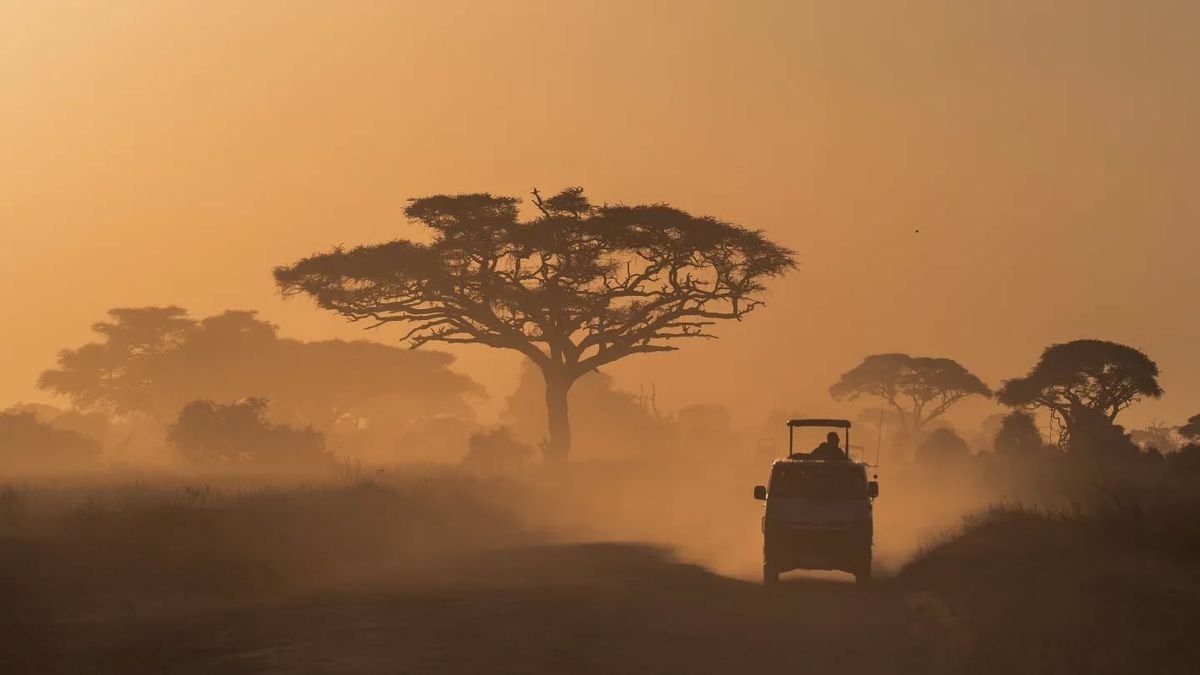

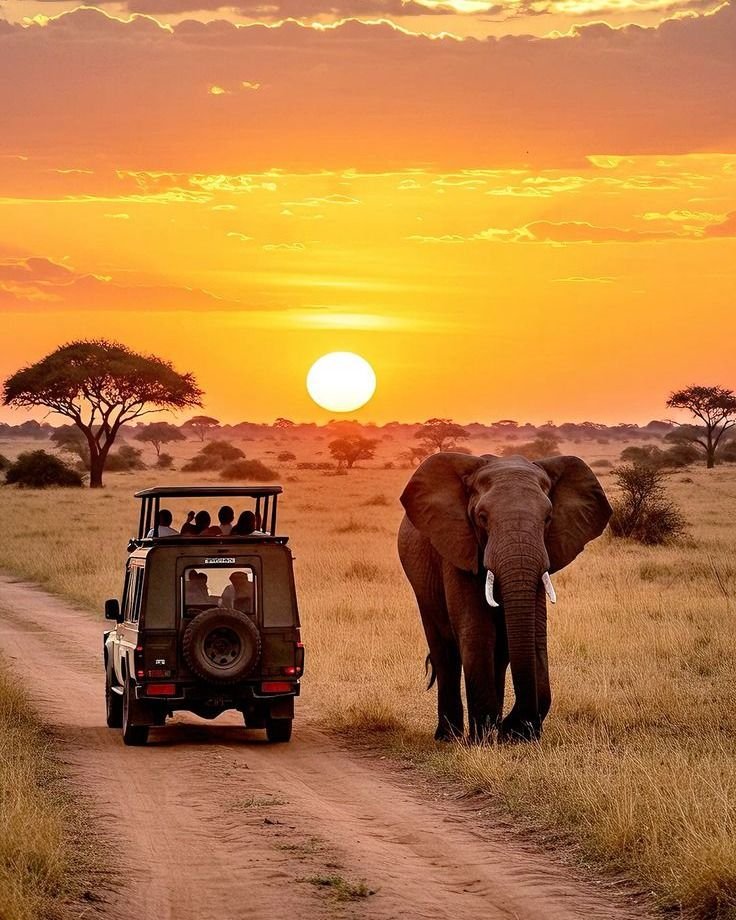
There is a moment on every first safari that nobody adequately prepares you for. Not the lion sighting, not the elephant crossing the road three metres from your vehicle, not the giraffe silhouetted against an amber sky at dusk. It is the moment — usually on the second or third day — when you realise that your relationship with time has fundamentally changed. That you have been sitting still for four hours watching a leopard sleep in an acacia tree and it has felt like twenty minutes. That the concept of checking your phone has become genuinely bizarre.
Safari does something to a person’s internal clock that no other travel experience replicates. It returns you to a pace of attention that modern life has largely engineered out of existence — patient, present, and acutely aware that something extraordinary might happen at any moment.
Planning the trip that produces that experience is what this guide is for.
Why 2026 is an Excellent Year for African Safari
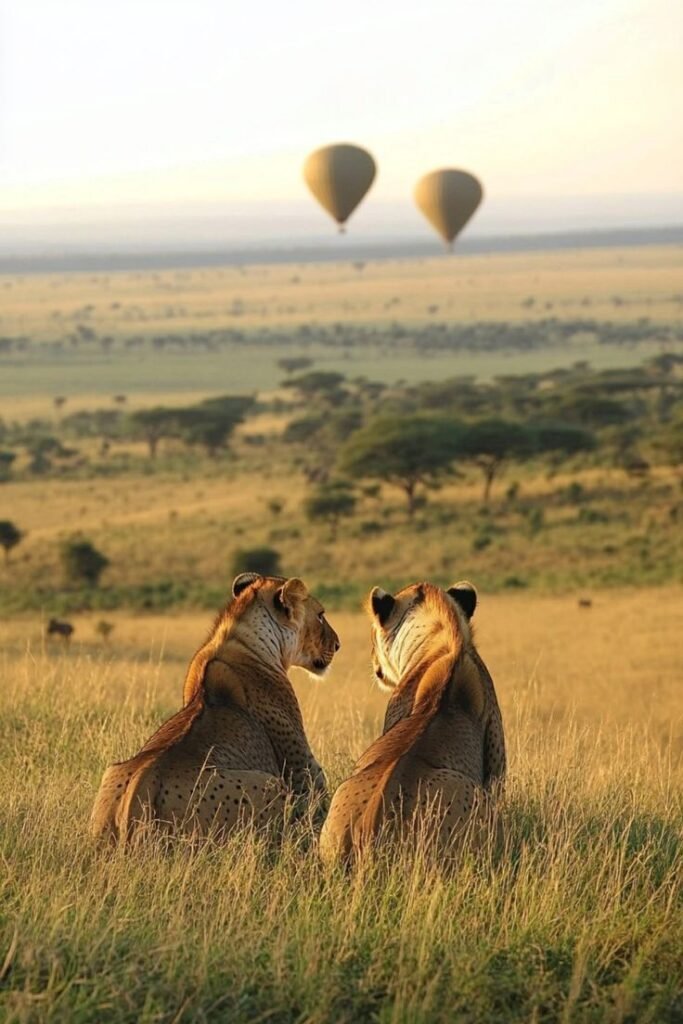
Several factors combine to make 2026 a particularly compelling year to plan an African safari. The post-pandemic recovery of East and Southern African tourism has stabilised, meaning infrastructure is operating at full capacity without the extreme pricing pressure of the immediate post-COVID boom years. Several key destinations — Rwanda, Zimbabwe, and Zambia specifically — have invested significantly in conservation and tourism infrastructure, creating new options that did not exist five years ago. And the long-term trends in African wildlife conservation — particularly the recovery of lion, elephant, and wild dog populations in well-managed reserves — mean that wildlife density in the premier destinations is at its highest in decades.
Choosing Your Safari Destination
The most important planning decision is where to go — and the answer depends entirely on what you most want to see and experience.
Kenya — The Classic
Kenya’s Maasai Mara is the most famous safari destination on earth for a reason. The annual Great Migration — when 1.5 million wildebeest, 200,000 zebra, and 500,000 gazelle move between Tanzania’s Serengeti and Kenya’s Mara in a cyclical pattern driven by rainfall and grass availability — produces the most dramatic wildlife spectacle on the planet. The river crossings, where vast herds plunge into the Mara River against waiting crocodiles in scenes of controlled chaos, are among the most filmed and least adequately captured wildlife events in existence.
Beyond the Mara, Kenya’s Amboseli National Park offers the iconic view of elephant herds moving against the backdrop of Mount Kilimanjaro — the image that defines African wildlife photography for much of the world. Samburu National Reserve in the north hosts species found nowhere else in Kenya, including the Grevy’s zebra, reticulated giraffe, and Somali ostrich.
Best time: July through October for the Great Migration river crossings.
Tanzania — The Complete Safari Country
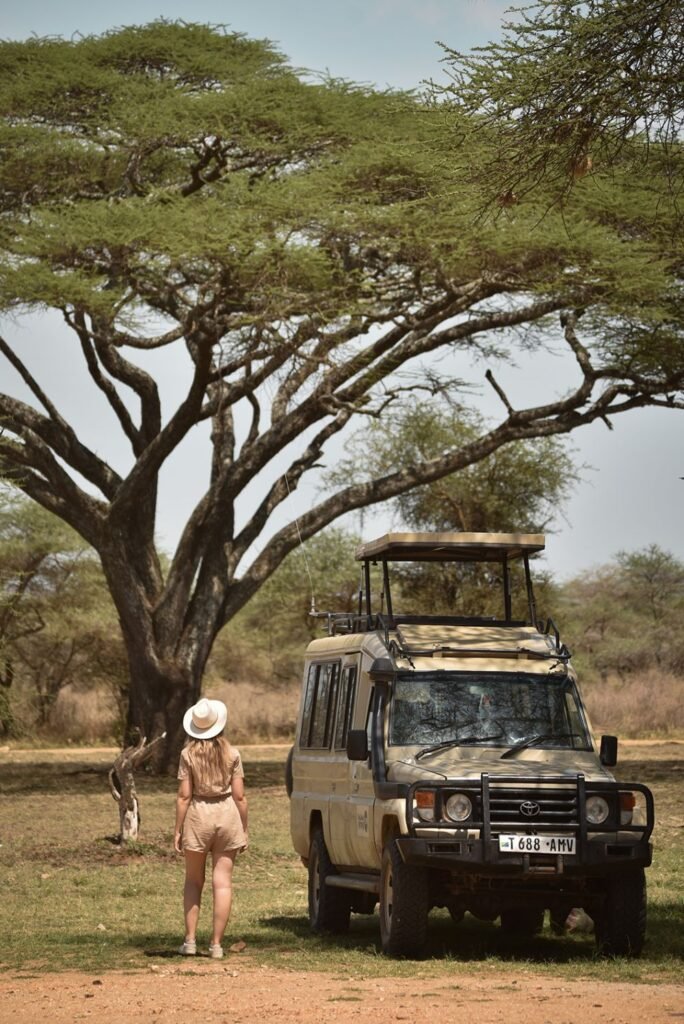
Tanzania offers the single most comprehensive safari experience on the continent. The Serengeti — 30,000 square kilometres of open savannah — hosts the full Migration circuit year-round, with different sections of the park providing the best viewing depending on the season. The Ngorongoro Crater — a collapsed volcanic caldera 260 metres deep and 20 kilometres across, containing the highest density of wildlife in Africa — is the most productive single game-viewing location on earth. Tarangire National Park, less visited and equally rewarding, has the highest elephant concentration in Tanzania and the most dramatic baobab landscape in East Africa.
Best time: January through March for calving season in the southern Serengeti — the most predator-active period of the year. July through October for northern Serengeti river crossings.
Botswana — The Premium Wilderness Experience
Botswana has built its safari reputation on a deliberate policy of low-volume, high-value tourism — limiting visitor numbers to protect the wilderness while funding conservation through premium pricing. The result is the most exclusive safari experience in Africa and, for those who can access it, arguably the finest wildlife experience on earth.
The Okavango Delta — the world’s largest inland delta, where the Okavango River floods into the Kalahari Desert creating a labyrinth of channels, islands, and lagoons — hosts wildlife of extraordinary diversity accessible by mokoro (traditional dugout canoe), walking safari, and game drive simultaneously. Chobe National Park has the highest elephant concentration on earth — herds of hundreds are routine. The Central Kalahari Game Reserve offers a desert safari of complete solitude and remarkable wildlife density that represents the road less travelled within an already exclusive destination.
Best time: May through October for the dry season when wildlife concentrates around water sources.
South Africa — Safari Plus Everything Else
South Africa’s Kruger National Park is the most accessible major safari destination on the continent — directly connected to Johannesburg by road, offering self-drive options unavailable in East Africa, and providing Big Five sightings with a reliability that guided safaris in more remote destinations cannot consistently match.
Beyond Kruger, the private game reserves bordering it — Sabi Sands, Timbavati, and Klaserie — offer the finest leopard viewing in Africa, with cats so habituated to vehicles that sightings at distances measured in metres rather than kilometres are routine. The combination of a Kruger safari with Cape Town and the Garden Route creates one of the most complete single-country travel itineraries available anywhere in the world.
Best time: May through September for the dry season. Year-round for most of the private reserves.
Rwanda — The Gorilla Destination
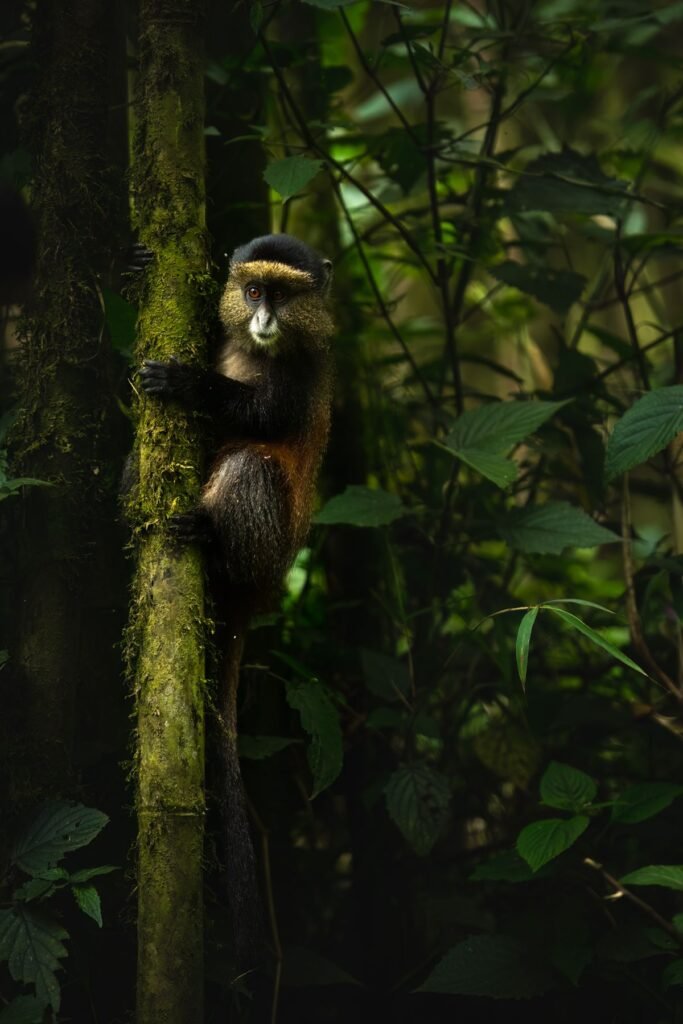
Rwanda’s Volcanoes National Park is home to approximately one third of the world’s remaining mountain gorillas — fewer than 1,100 individuals — and gorilla trekking here is consistently described by those who have done it as the single most profound wildlife encounter available to travellers anywhere on earth.
The experience is deliberately managed. Eight visitors per gorilla family per day, a maximum one-hour visit once the family is located, strict health protocols to protect the gorillas from human disease. The limitations are not inconveniences — they are the mechanism by which the gorillas exist in sufficient numbers to be encountered at all. The hour spent with a gorilla family — watching infants play, watching adults feed and rest and interact with the particular weight of a species that shares 98.3 percent of its DNA with your own — is a wildlife encounter of a completely different order from any other on this list.
Permits cost $1,500 per person — a price that funds conservation directly and limits numbers to levels the ecosystem can sustain.
Best time: June through September and December through February for the driest trekking conditions.
Zimbabwe and Zambia — The Walking Safari Heartland
The Zambezi Valley — shared between Zimbabwe and Zambia along the river that connects them — is the birthplace of the walking safari and remains its finest expression. Mana Pools National Park in Zimbabwe, where walking among elephant and buffalo with a professional guide is not merely permitted but central to the experience, delivers an intimacy with African wildlife that vehicle-based safaris cannot replicate.
Victoria Falls — one of the seven natural wonders of the world — sits on the border between the two countries and adds a dimension to the safari itinerary that no other destination in Africa provides. The falls at full flood, in April and May, produce a curtain of water 1,708 metres wide and 108 metres high that generates a permanent cloud of spray visible from 50 kilometres away.
Best time: April through October. April and May for Victoria Falls at maximum volume. July through October for dry season wildlife concentration.
Guided vs. Self-Drive: Understanding the Choice
The choice between a guided safari and a self-drive experience is the most consequential planning decision after destination selection.
Guided safaris — led by professional guides with deep knowledge of specific ecosystems, animal behaviour, and tracking — consistently deliver more and better wildlife sightings than self-drive visitors. A guide who has worked in the Mara or the Serengeti for a decade knows where the leopard sleeps, which waterhole the lions are using, and how to read animal behaviour in ways that transform a sighting from a distant glimpse to an extended intimate encounter.
Self-drive safaris — available in Kruger, Etosha in Namibia, and several Zimbabwean parks — offer a freedom and spontaneity that guided experiences cannot match. The particular satisfaction of locating wildlife independently, of following a trail of broken grass to a lion kill, or of sitting alone at a waterhole at dusk watching an elephant herd drink in silence, is a different quality of experience that many experienced safari travellers come to prefer.
For first-time visitors, a guided safari is the unambiguous recommendation — the learning curve is real and the opportunity cost of a week in Africa without expert guidance is significant. For returning visitors who have developed their own wildlife reading skills, self-drive offers rewards that justify its challenges.
Budget Planning: What African Safari Actually Costs
African safari sits across a wider price range than almost any other travel category — from budget camping safaris in Kruger at $100 per night to ultra-luxury tented camps in Botswana at $2,000 per person per night.
Budget safari — $100 to $250 per person per night: Self-drive Kruger, budget camping in Etosha, and group overland safaris through East Africa. Wildlife quality comparable to premium options in the right season and location. Comfort significantly reduced.
Mid-range safari — $250 to $600 per person per night: The majority of well-run lodge safaris in Kenya, Tanzania, and South Africa. Full board, professional guiding, comfortable accommodation, and reliable Big Five sightings. The sweet spot for most first-time safari travellers.
Luxury safari — $600 to $1,500 per person per night: Private conservancies, exclusive camps with small guest numbers, premium guiding, bush dinners, and the particular feeling of having the wilderness largely to yourself. The standard that defines the upper tier of the African safari experience.
Ultra-luxury — $1,500 and above per person per night: Botswana’s premier camps, Rwanda gorilla trekking combined with luxury lodges, and the handful of truly exclusive properties across East Africa where staff-to-guest ratios, location exclusivity, and experience personalisation are at their absolute peak
The Safari That Changes You
Every experienced safari traveller has a story about the moment that divided travel into before and after. The afternoon light on the Serengeti at dusk. The sound of lions calling at 3am from just beyond the camp perimeter. The morning a leopard walked directly past the vehicle close enough to hear its breathing.
These are not things you can manufacture or guarantee. They are things that happen when you put yourself in the right place, at the right time, with the patience to wait and the presence to recognise what you are seeing.
Planning is how you create the conditions for that moment. The moment itself belongs entirely to Africa.
Explore our Epic Tours section for more adventure travel guides, destination deep-dives, and the planning intelligence that helps you experience the world’s greatest journeys in 2026.