





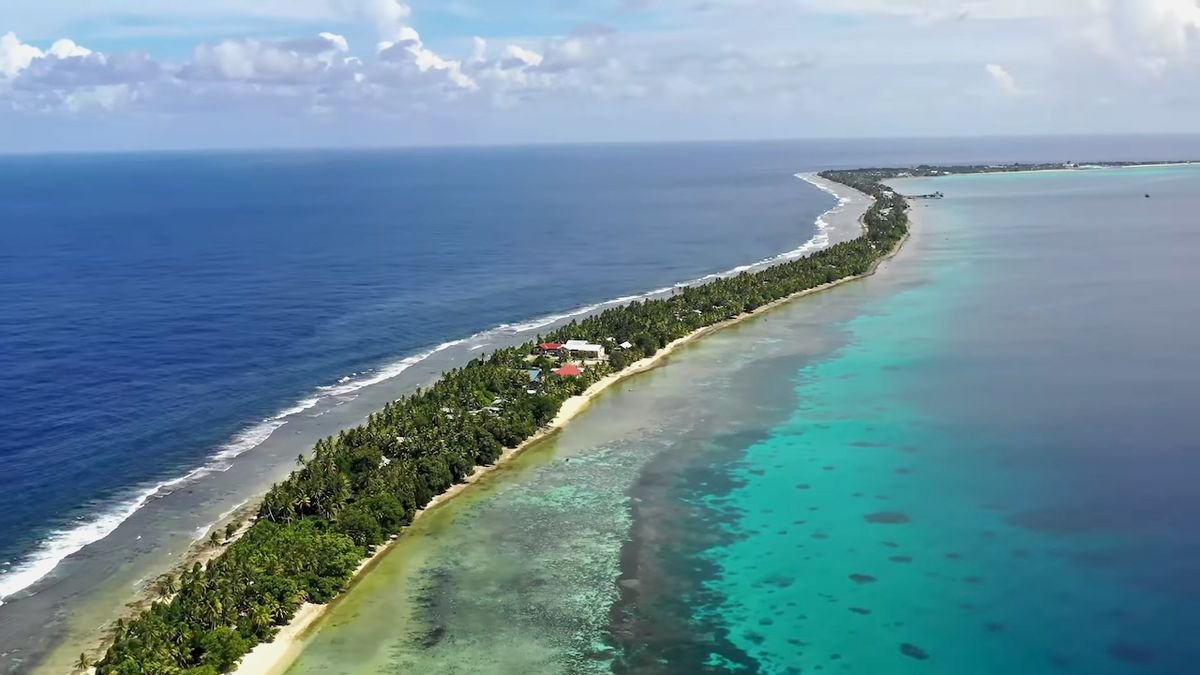

Far away from the crowded beaches of the Maldives and the luxury resorts of Bora Bora lies a tiny Pacific nation that remains almost invisible on the global tourism map. Tuvalu, a country made up of nine low-lying islands and atolls, is one of the world’s least-visited destinations. There are no sprawling resort complexes, no busy shopping streets, and very few signs of mass tourism. Instead, visitors discover quiet lagoons, coconut-lined shores, traditional island communities, and a way of life that moves at a wonderfully unhurried pace.
Located in the central Pacific Ocean, approximately halfway between Hawaii and Australia, Tuvalu is one of the smallest countries in the world, both in land area and population. Its nine islands include six atolls and three reef islands, scattered across a vast stretch of ocean. Despite its modest size, the country offers a remarkable combination of natural beauty, cultural traditions, and a sense of isolation that is becoming increasingly difficult to find.
A Pacific Paradise Far Beyond the Usual Tourist Trail
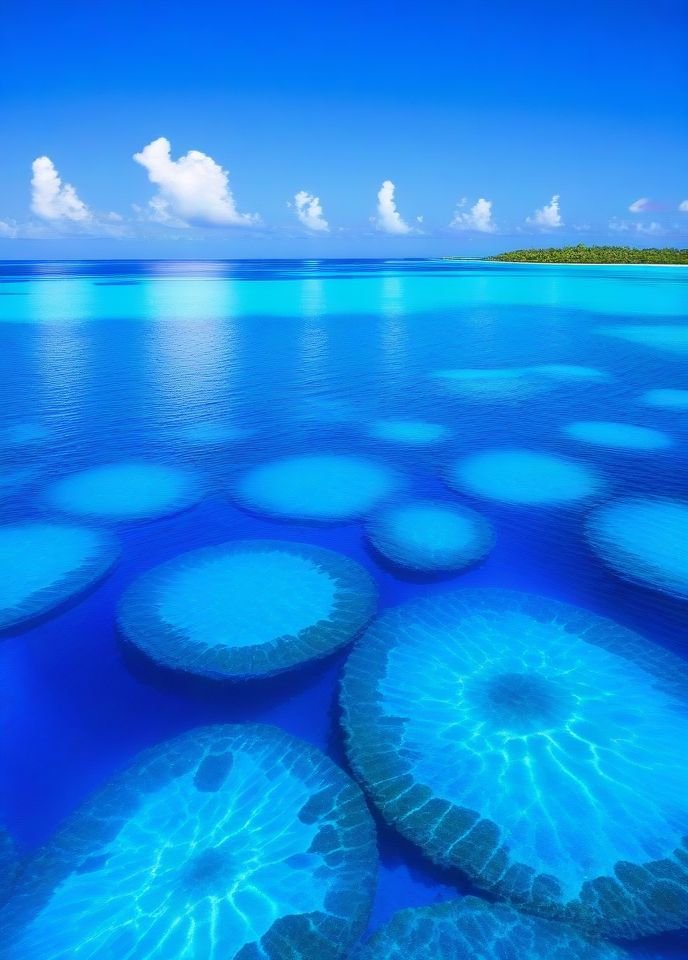
Tuvalu is not the kind of destination where travellers arrive with a long list of attractions to tick off. Its appeal lies in the simplicity of island life. The turquoise lagoons, shallow reefs, white sandy beaches, and swaying palm trees create the familiar image of a tropical paradise, but without the crowds that have transformed many other Pacific destinations.
The capital, Funafuti, is the country’s main centre of activity and home to most of its population. Despite being the busiest part of Tuvalu, it feels more like a peaceful island community than a conventional capital city. Small shops, local markets, churches, and family homes line its narrow roads, while fishing boats and bicycles are part of everyday life.
One of the most beautiful places to explore is the Funafuti Conservation Area, a protected marine region covering several small islands, coral reefs, and lagoons. Visitors can experience clear waters, colourful marine life, and quiet stretches of coastline that feel wonderfully remote. Snorkelling and swimming offer opportunities to appreciate the area’s underwater beauty.
Exploring the Beauty of Tuvalu’s Nine Islands
Although Funafuti is the main gateway, Tuvalu’s other islands offer an even deeper look into the country’s traditional lifestyle. Each atoll has its own character, shaped by its geography, community traditions, and relationship with the ocean.
Nukufetau, Nukulaelae, and Nanumea are among the islands that reveal the quieter side of Tuvalu. Life here revolves around fishing, family gatherings, community activities, and the natural rhythm of the tides. Travelling between islands requires planning, as transport connections are limited, but the experience offers a rare opportunity to discover a Pacific culture away from mainstream tourism.
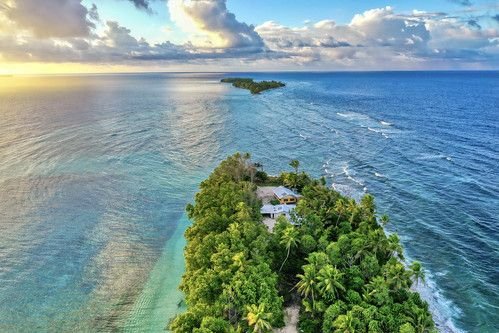
The surrounding lagoons are particularly beautiful, with shallow turquoise waters contrasting against deep blue stretches of ocean. Coconut palms provide shade along the shore, while traditional boats remind visitors of the importance of fishing in everyday island life.
A Culture Built Around Community and Tradition
What makes Tuvalu especially interesting is not just its scenery but the warmth and importance of community life. Traditional customs remain an essential part of everyday society, and visitors may notice how closely families and neighbours are connected.
Music, dancing, storytelling, and communal celebrations play an important role in Tuvaluan culture. One traditional performance worth learning about is fatele, a lively group dance accompanied by singing and rhythmic movements. It is often performed during celebrations and community gatherings, bringing people together through music and shared traditions.
Christianity also plays a significant role in local life, and churches are important gathering places throughout the islands. Visitors who take time to interact respectfully with residents often discover that the most memorable experiences come from simple conversations and everyday encounters.
Tuvalu and the Growing Challenge of Climate Change
Behind its peaceful tropical scenery, Tuvalu faces one of the most serious environmental challenges in the Pacific. Because its islands are extremely low-lying, rising sea levels, coastal erosion, saltwater intrusion, and changing weather patterns create growing concerns for local communities.
Climate change is not simply a distant environmental issue here; it affects homes, freshwater supplies, agriculture, and the future of the islands themselves. The country has become an important voice in international discussions about climate action and the protection of vulnerable island nations.
Understanding these challenges adds another dimension to visiting Tuvalu. Its beauty is extraordinary, but its environmental vulnerability makes the preservation of its natural and cultural heritage especially important.
When to Visit Tuvalu
Tuvalu has a tropical climate throughout the year, with warm temperatures and relatively high humidity. The drier period, generally from May to October, is often considered more comfortable for outdoor activities and island exploration. The wetter months can bring heavier rainfall and less predictable travel conditions.
Getting there requires additional planning. International flights are limited, and Funafuti is the country’s main international entry point. Accommodation options are also modest compared with other Pacific island destinations, so arranging travel and lodging in advance is advisable.
A Rare Destination for Travellers Who Want Something Different
Tuvalu may not offer luxury resorts, famous nightlife, or endless tourist attractions, but that is precisely what makes it special. Its quiet beaches, welcoming communities, traditional island culture, and extraordinary ocean landscapes offer a different definition of a perfect holiday.
For travellers who value authentic experiences over crowded attractions, Tuvalu provides an opportunity to discover a side of the Pacific that remains largely untouched by international tourism. It is a place where days are shaped by the sea, evenings are spent enjoying the island atmosphere, and the simplest experiences often become the most meaningful memories.