





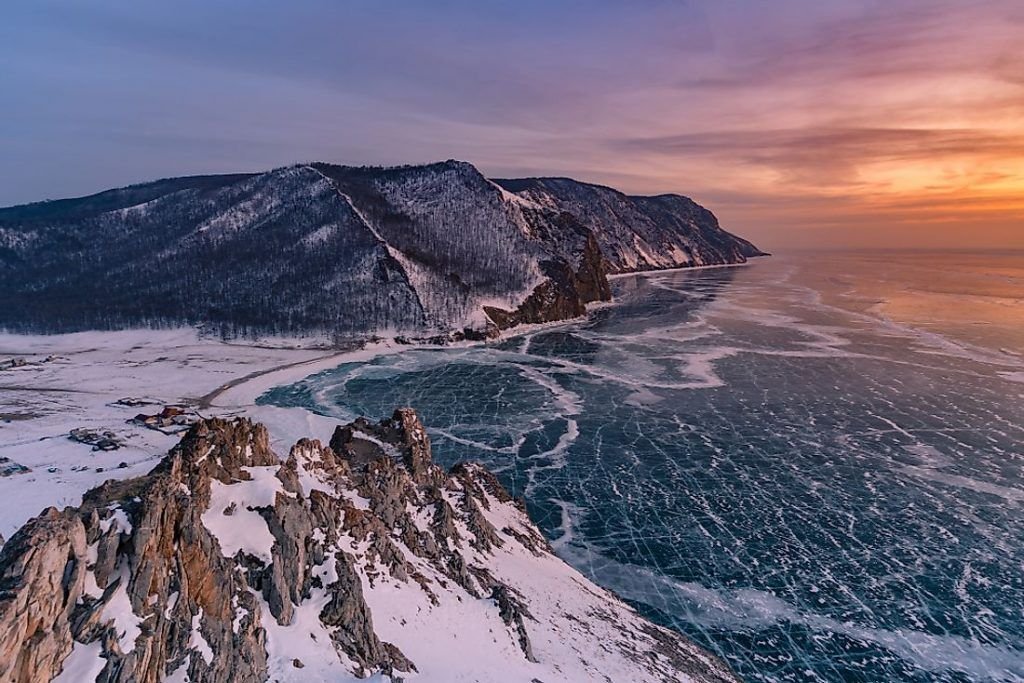

There are journeys that take you from one place to another. And then there are journeys that take you somewhere inside yourself — slowly, across impossible distances, through landscapes that make you reconsider what the word “vast” actually means.
The Trans-Siberian Railway is the second kind.
Stretching 9,289 kilometres from Moscow to Vladivostok across eight time zones, it is the longest railway line on earth. It crosses the Ural Mountains, skirts the southern edge of Siberia, passes the deepest lake in the world, and deposits you — seven days later — on the shores of the Pacific Ocean. Nothing about it is convenient. Everything about it is unforgettable.
This is what it is really like.
Why the Trans-Siberian Still Matters in 2026
In an era of six-hour flights and same-day arrivals, deliberately choosing to spend a week on a train feels almost countercultural. That is precisely why it resonates so deeply with a certain kind of traveller — the ones who understand that the journey is not the inconvenient part of travel. It is the point of it.
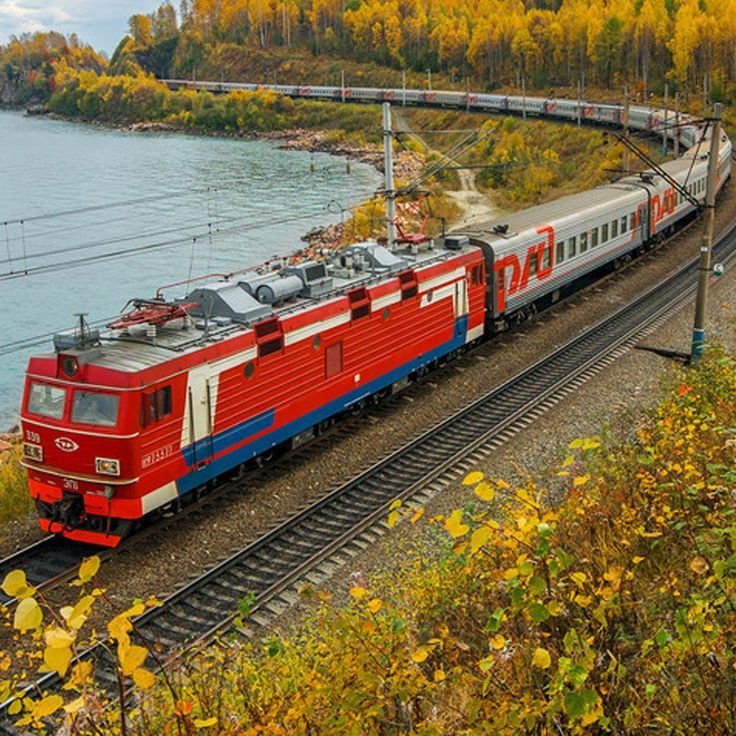
The Trans-Siberian forces slowness. It removes the option of rushing. For seven days, the world outside your window changes at the pace of a continent shifting beneath you — birch forests giving way to steppe, steppe surrendering to taiga, taiga eventually opening into the Russian Far East. There is no way to fast-forward it and no reason to want to.
The Three Main Routes
The name “Trans-Siberian” actually covers three distinct routes, each offering a different experience.
The Trans-Siberian — Moscow to Vladivostok. The classic. Entirely within Russia, 9,289 kilometres, approximately seven days. This is the purest version of the journey — the one that earns the story.
The Trans-Mongolian — Moscow to Beijing via Ulaanbaatar. This route branches south through Mongolia, crossing the Gobi Desert before arriving in China. It adds extraordinary visual variety and is the most popular choice among international travellers for that reason. Total journey approximately six days from the Mongolian border.
The Trans-Manchurian — Moscow to Beijing via Manchuria, bypassing Mongolia entirely. Slightly faster than the Trans-Mongolian, less scenically dramatic, but a legitimate option for travellers more focused on the Chinese destination than the Mongolian detour.
For most first-time Trans-Siberian travellers, the Trans-Mongolian is the recommended route — it adds Lake Baikal, the Mongolian steppe, and the Gobi Desert to the journey without significantly increasing complexity.
What Life on the Train Actually Looks Like
The train has three classes of accommodation, and your choice shapes the experience significantly.
Platzkart — open-plan third class, 54 berths per carriage with no compartment walls. The cheapest option and, paradoxically, often the most memorable. You are fully immersed in the social life of the train — card games, shared food, conversations conducted through translation apps and goodwill. Russians travel platzkart regularly and it is where genuine connection happens most naturally.
Kupé — four-berth closed compartments, second class. The sweet spot for most international travellers. Private enough for sleep and journaling, social enough to meet fellow passengers. Clean, functional, and comfortable enough for a week.
Spalny Vagon — two-berth first class. Quieter, more comfortable, significantly more expensive. Worth considering for solo female travellers or those who genuinely need uninterrupted sleep across the journey.
Regardless of class, life on the train settles into a rhythm within 24 hours. Meals are eaten in the dining car or assembled from provisions bought at station stops. Hot water from the samovar at the end of each carriage is available around the clock — essential for the instant noodles, tea, and soups that become the staple diet of long-distance Russian rail travel. At major stops — Yekaterinburg, Novosibirsk, Irkutsk — passengers spill onto the platform to stretch, buy food from vendors, and breathe air that is not recycled.
The Unmissable Stops Along the Way
The Trans-Siberian is not meant to be experienced without leaving the train. Breaking the journey at key stops transforms a long train ride into a genuine expedition.
Yekaterinburg — the first major stop east of the Urals and the city where the last Russian Tsar and his family were executed in 1918. The Church on Blood, built on the site of that event, is one of the most sobering and significant monuments in Russia.
Irkutsk — the gateway to Lake Baikal and the stop most Trans-Siberian travellers consider the emotional centrepiece of the journey. Irkutsk itself is a city of surprising elegance — wooden architecture, a vibrant café culture, and a historical depth that reflects its role as the capital of Siberia for centuries.
Lake Baikal — the world’s deepest lake holds approximately 20 percent of the earth’s entire unfrozen fresh water. In summer, the lake is translucent blue and the surrounding taiga is extraordinary hiking territory. In winter, the ice — up to 180 centimetres thick — is walked, driven across, and occasionally used as a venue for ice festivals. Stay at least two nights. The lake rewards extended time in ways that a single day cannot access.
Ulaanbaatar (Trans-Mongolian route) — Mongolia’s capital is chaotic, fascinating, and a logical base for a day trip into the steppe to experience nomadic culture, horseback riding, and a sky so wide and uninterrupted it recalibrates your sense of space entirely.
Practical Realities: What You Need to Know
Visas — Russia requires advance visas for most Western passport holders, a process that requires planning several weeks ahead. Mongolia requires a visa for some nationalities. China requires a visa for most Western passport holders. If taking the Trans-Mongolian, you are managing three separate visa applications — start early.
Booking — Tickets can be booked through RZD (Russian Railways) directly online, through specialist agencies like Real Russia or Monkey Shrine, or through the Man in Seat 61 — the most comprehensive English-language resource for Trans-Siberian planning anywhere on the internet.
Best time to travel — June through August offers the best weather, the most daylight, and the most accessible stops. May and September are quieter and still comfortable. Winter travel — December through February — is dramatic, bitterly cold, and suited only to experienced travellers who understand what Siberian winter actually means.
Currency and connectivity — Carry Russian rubles in cash for train purchases and smaller station stops. Internet connectivity on the train is limited and intermittent. This is, for most passengers, an unexpected gift — seven days of enforced disconnection that feels increasingly rare and valuable.
Safety — The Trans-Siberian has a strong safety record for international travellers. Standard travel precautions apply. Solo female travellers consistently report positive experiences, particularly in kupé class.
What the Train Does to You
By day three, something shifts. The outside world — emails, deadlines, news cycles — loses its grip in a way that no beach holiday or city break ever quite achieves. The rhythm of the train, the changing light through the window, the conversations that happen only because you are trapped together in a beautiful way — all of it produces a quality of presence that modern travel rarely delivers.
People finish the Trans-Siberian and immediately start planning when to do it again. Not because it was comfortable or convenient. Because it was, in the truest sense of the word, an experience — one that belongs to you completely and cannot be replicated by any other journey on earth.
Nine thousand kilometres. Seven days. One train.
It is enough to change how you think about distance, time, and what travel is actually for.
Explore our Epic Tours section for more extraordinary long-distance journeys, adventure route guides, and the trips that go far beyond the ordinary.