






Imagine walking across a beach covered in deep black sand, exploring underground tunnels formed by flowing lava, and watching the sun disappear behind enormous volcanic mountains. It sounds like a scene from another planet, but this extraordinary landscape exists in Spain’s Canary Islands. Located in the Atlantic Ocean, off the northwestern coast of Africa, this beautiful archipelago offers a combination of natural wonders, dramatic coastlines, traditional villages, and landscapes that are difficult to find anywhere else in Europe.
The Canary Islands consist of eight main islands: Tenerife, Lanzarote, Gran Canaria, Fuerteventura, La Palma, La Gomera, El Hierro, and La Graciosa. Although they share a volcanic origin, each island has its own character. Some are known for their enormous sand dunes, others for their lush forests, while several feature spectacular lava formations and unusual beaches. For travellers looking beyond conventional holiday destinations, the Canary Islands offer an unforgettable experience.
One of the most fascinating things about the archipelago is its volcanic landscape. Millions of years of volcanic activity have created towering mountains, enormous craters, hardened lava fields, and unusual rock formations. Tenerife is home to Mount Teide, which rises 3,715 metres above sea level, making it the highest mountain in Spain. Located inside Teide National Park, this enormous volcano dominates the island’s landscape. The surrounding scenery is particularly impressive, with reddish volcanic rocks, vast stretches of dark lava, and mountains that seem to change colour throughout the day. Visitors can explore walking trails, take a cable car towards the upper slopes, and enjoy panoramic views across the island. On clear days, the scenery feels almost unreal.
The volcanic wonders do not end above ground. Beneath the surface, Lanzarote hides an extraordinary network of lava tunnels created by ancient eruptions. One of the most remarkable attractions is Cueva de los Verdes, a natural underground passage formed thousands of years ago when molten lava flowed through the landscape. Visitors can walk through its winding corridors, discovering unusual rock formations and dramatic underground chambers. The experience offers a fascinating look at the geological history of the island.
Another extraordinary attraction is Jameos del Agua, where natural volcanic formations meet architecture and art. Created within part of a lava tunnel, this beautiful attraction was transformed by local artist César Manrique into a cultural space featuring natural pools, gardens, and carefully designed walkways. Its combination of dark volcanic rock, turquoise water, and tropical greenery makes it one of Lanzarote’s most distinctive places.
Perhaps the most recognisable feature of the Canary Islands is their black volcanic beaches. Unlike the golden coastlines commonly associated with Mediterranean holidays, several beaches here are covered in dark sand created by eroded volcanic rocks. Playa Jardín in Tenerife is a wonderful example. Surrounded by tropical gardens and landscaped pathways, the beach offers a striking contrast between black sand and the blue Atlantic Ocean. It is an ideal place to relax, enjoy the coastal atmosphere, and experience a different side of Spanish beach culture.
For a more dramatic setting, Playa de Benijo in Tenerife is worth exploring. Located along the island’s rugged northern coastline, this beach is surrounded by steep mountains and impressive volcanic rock formations rising from the ocean. Its wild atmosphere makes it especially popular among photographers and travellers who enjoy quieter natural surroundings. Sunset is particularly beautiful here, as the changing colours of the sky create a spectacular backdrop against the dark shoreline.
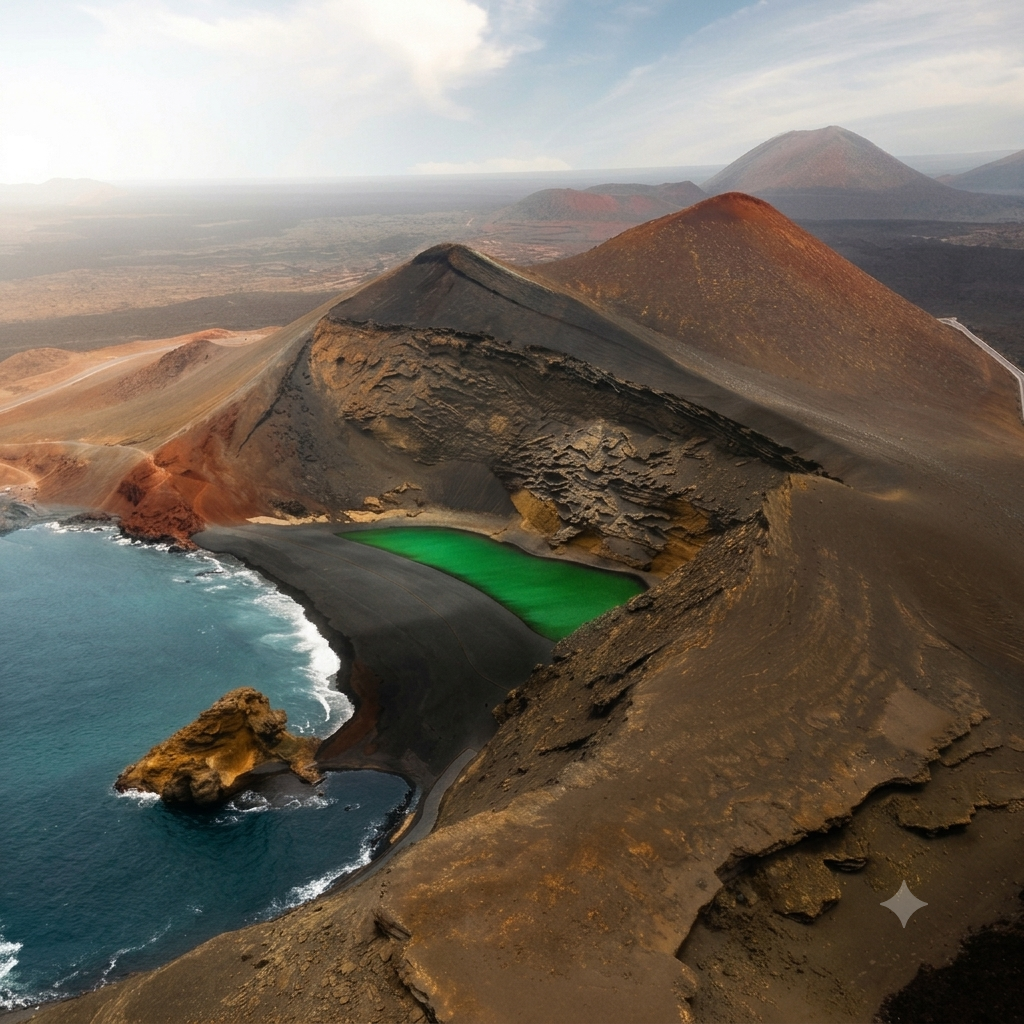
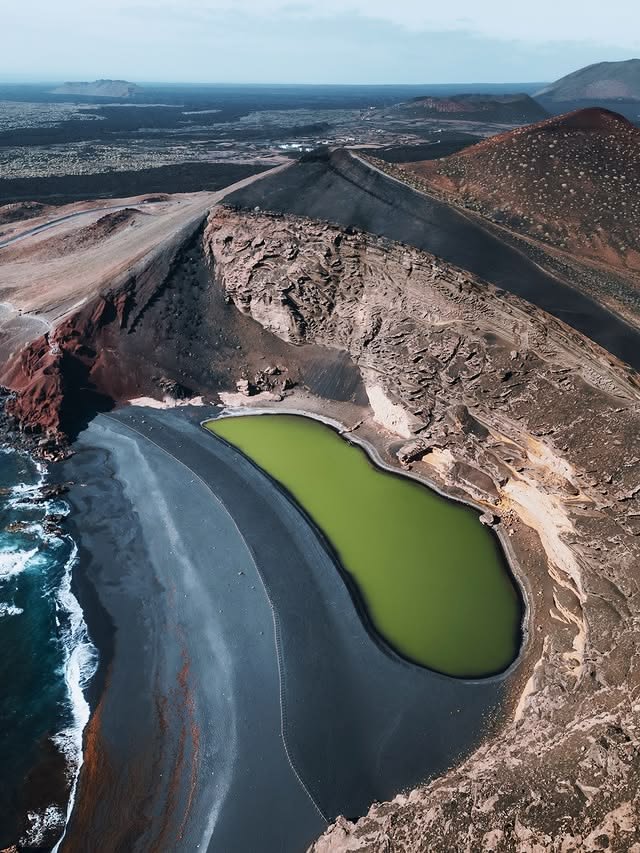
Lanzarote offers another unusual coastal attraction at El Golfo, where a striking green lagoon sits beside a black-sand beach. The unusual combination of green water, dark volcanic terrain, and Atlantic waves creates one of the most photographed landscapes in the Canary Islands. It is a reminder of how dramatically volcanic activity has shaped the region.
Beyond volcanoes and beaches, the archipelago also offers surprisingly green landscapes. La Gomera is particularly famous for Garajonay National Park, a UNESCO World Heritage Site known for its ancient laurel forests. Thick vegetation, mist-covered trees, and winding walking trails create an atmosphere that feels completely different from the dry volcanic scenery of Lanzarote. La Palma is another excellent destination for nature lovers, with impressive mountain landscapes, forested valleys, and some of the clearest night skies in the world. Meanwhile, Fuerteventura attracts visitors with its enormous sand dunes, turquoise waters, and open desert-like scenery.
The traditional villages scattered throughout the islands add another dimension to the experience. Whitewashed houses, narrow cobbled streets, local markets, and small family-run restaurants provide an opportunity to discover authentic Canarian culture. Travellers can enjoy regional dishes, fresh seafood, locally produced cheeses, and traditional papas arrugadas served with delicious mojo sauces.
The Canary Islands are also a year-round destination thanks to their mild climate. Spring and autumn are particularly pleasant for hiking and sightseeing, while winter attracts visitors looking for sunshine and warmer temperatures. Each island offers different experiences, so travellers should choose their destination according to their interests.
Spain’s Canary Islands are much more than a collection of beautiful holiday beaches. They are a remarkable meeting point of volcanic history, unusual natural formations, island traditions, and breathtaking scenery. Whether you are exploring ancient lava caves, walking along black-sand beaches, or watching the sunset over a volcanic mountain, every experience reveals something extraordinary. For travellers searching for destinations that feel different from anywhere else, the Canary Islands offer a journey into one of nature’s most fascinating creations.