





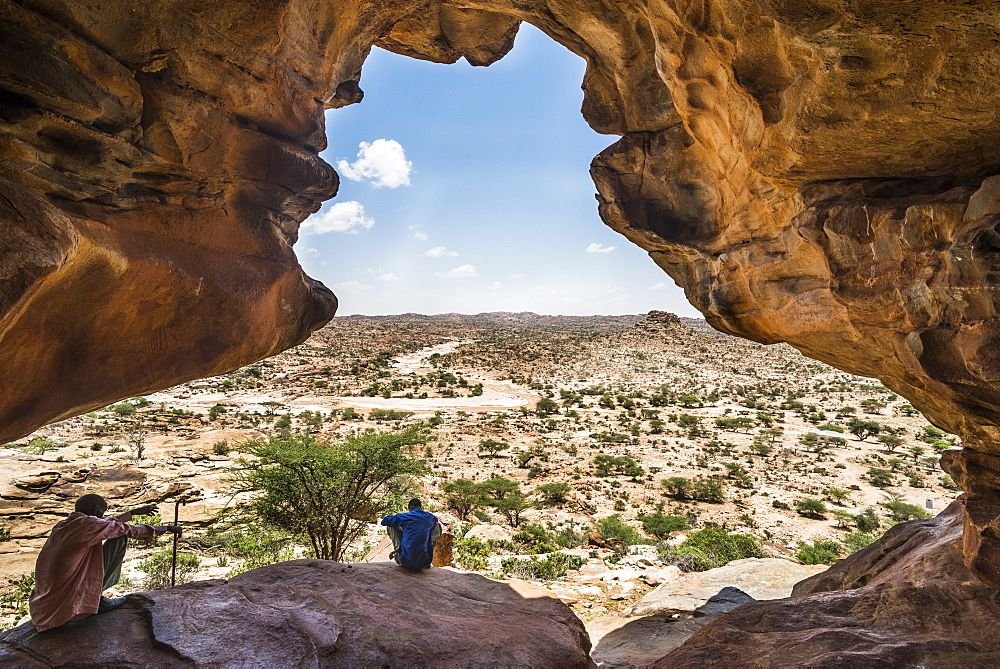

There is no country quite like Somaliland on a map, because officially, there is no country called Somaliland at all. Since declaring independence from Somalia in 1991, this Horn of Africa territory has run its own government, printed its own currency, held its own elections, and built a level of internal stability that stands in stark contrast to its southern neighbour, yet not a single United Nations member state formally recognises it as sovereign. That contradiction, a functioning state the world insists doesn’t officially exist, is precisely what makes Somaliland one of the most quietly extraordinary places left for travellers willing to go somewhere genuinely unmapped.
A Democracy Operating Without Recognition
Somaliland has held multiple rounds of presidential and parliamentary elections since the early 2000s, with power changing hands peacefully between rival parties, an outcome observers frequently note is rare across the wider region regardless of international recognition. The territory maintains its own passport, its own military, and its own central bank, functioning in nearly every practical sense as an independent state. Diplomatically, however, it remains tethered to Somalia’s unresolved status, and that limbo has real consequences: Somaliland cannot access the international financial support, infrastructure investment, or heritage protection funding that comes with UN membership, no matter how strong its case for statehood might be on paper.
Laas Geel: Rock Art That Would Already Be a UNESCO Site
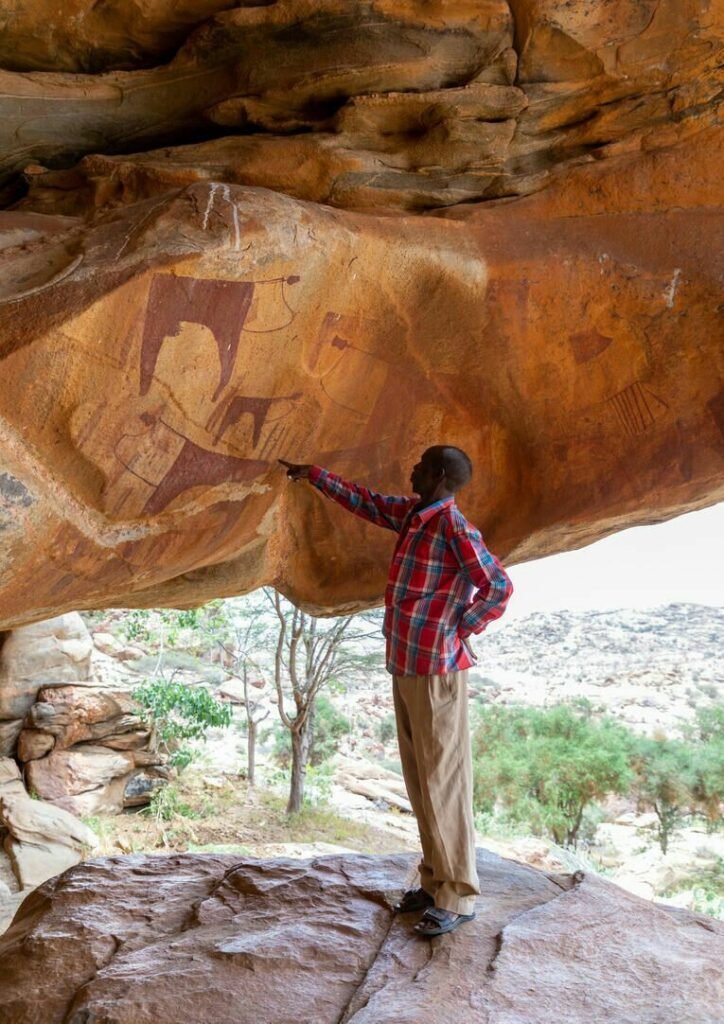
Roughly fifty kilometres northeast of the capital, Hargeisa, a granite outcrop holds one of the most significant archaeological finds of the twenty-first century. Discovered in 2002 by a French research team studying early pastoralism in the Horn of Africa, Laas Geel contains rock shelters covered in ochre paintings of cattle, giraffes, and human figures dating back an estimated five to ten thousand years, among the best-preserved rock art anywhere on the continent. Archaeologists and heritage experts widely agree the site would already carry UNESCO World Heritage status if not for one obstacle: only recognised UN member states can submit a nomination, and Somalia, the country under whose territory Laas Geel technically falls, has never ratified the World Heritage Convention. The result is a site of genuine global significance left to survive largely on local protection alone.
Almost No Infrastructure, and That’s the Point
Somaliland receives a small fraction of the visitors that flow through more established East African destinations, and what infrastructure exists is minimal by design rather than neglect. Travel here typically means arranging a local guide in advance, securing the required permits, and, for more remote regions, travelling with an armed escort as a standard precaution rather than a sign of acute danger. Hargeisa itself offers modest guesthouses and a handful of restaurants rather than international hotel chains, and the coastal town of Berbera, with its faded Ottoman-era architecture and Red Sea beaches, remains almost entirely undeveloped for tourism. For travellers accustomed to curated experiences, this can read as a limitation. For those seeking something closer to genuine discovery, it is the entire draw.
Why Somaliland Belongs on a Serious Traveller’s Radar
Visiting Somaliland is not a beach holiday or a checklist destination. It is a chance to witness a self-governing society functioning against considerable diplomatic odds, and to stand in front of art older than the pyramids in a place still largely absent from global travel conversation. The window for this kind of encounter, before infrastructure catches up and before recognition, if it ever comes, reshapes how the world engages with the region, is open now. For travellers who value substance over comfort, few destinations offer as much of either.