





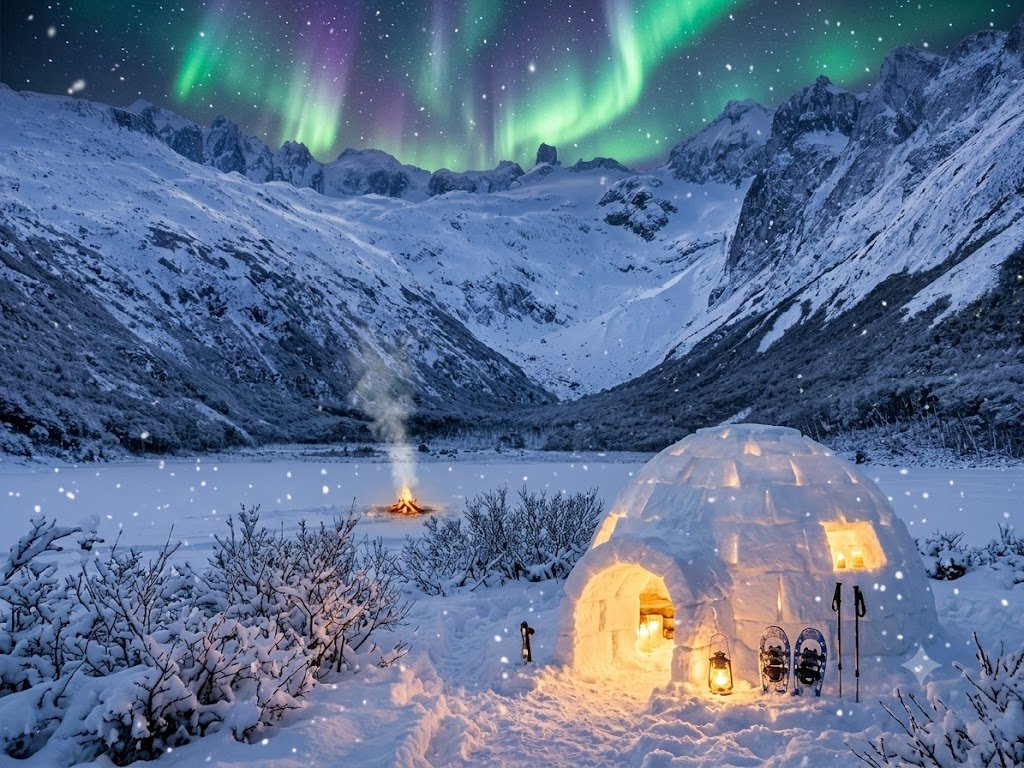

Imagine lying beneath a warm duvet while snow gathers outside your window and the night sky stretches endlessly above you. There are no curtains to draw, no need to step into freezing air, and no reason to leave your bed just to look at the stars. If the Northern Lights appear, you can watch their green ribbons move across the darkness from the comfort of your room.
This is the appeal of sleeping in a glass igloo in Finnish Lapland. Far beyond the familiar city hotels and crowded winter resorts, these unusual retreats offer travellers a chance to experience the Arctic landscape without sacrificing warmth or comfort. But what is it actually like to spend a night inside one?
A Room Where the Sky Takes Centre Stage
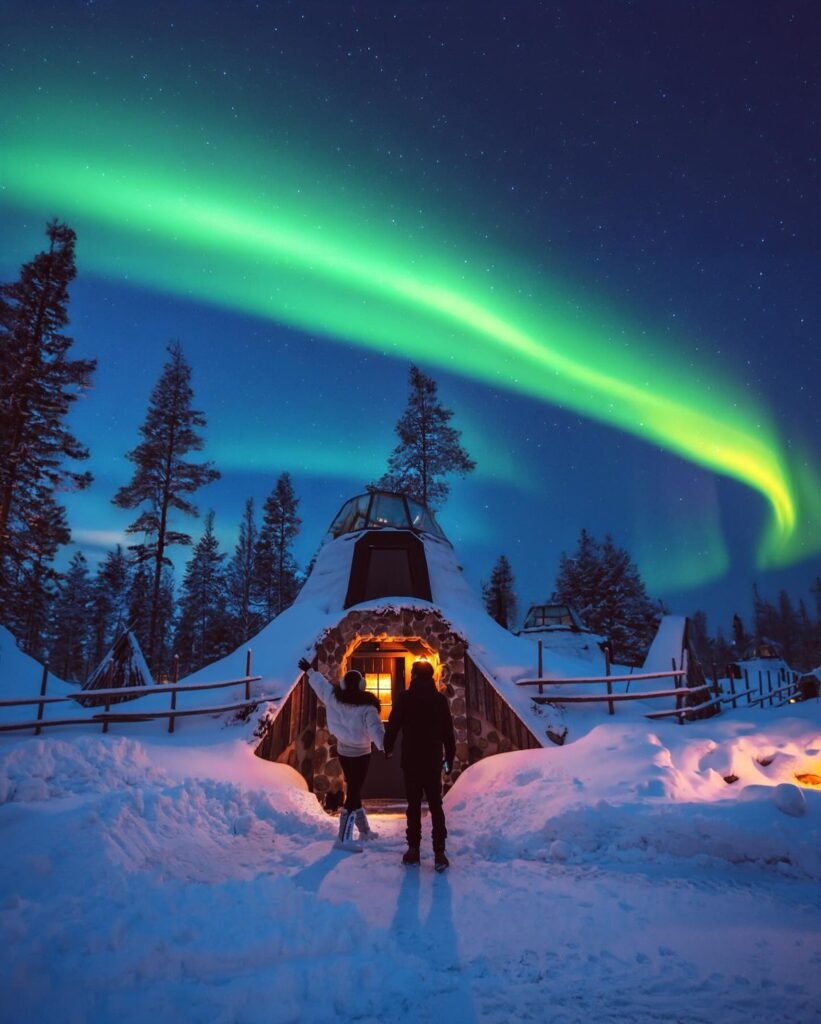
Finnish Lapland’s glass igloos are designed around a simple idea: let nature become part of the room. Their curved glass roofs provide an uninterrupted view of the sky, while insulated interiors, comfortable beds and private bathrooms make the experience feel more like a boutique hotel than a camping adventure.
At Kakslauttanen Arctic Resort, near Saariselkä, guests can choose from traditional glass igloos and larger Kelo-Glass Igloos that combine a glass-roofed bedroom with the warmth of a wooden log chalet. Some options include private saunas and fireplaces, creating a cosy contrast with the snow-covered landscape outside.
During daylight, the glass ceiling frames pine forests, snowy ground and the changing colours of the Arctic winter. After sunset, the same view becomes a window into a different world. Stars emerge, the darkness deepens, and every change in the sky becomes part of the experience.
The most surprising part may be how quickly the room begins to feel ordinary in the best possible way. You can make a cup of tea, settle into bed and watch the night unfold without worrying about the temperature outside.
The Northern Lights: The Moment Everyone Waits For
For many visitors, the real reason to book a glass igloo is the chance to see the aurora borealis, better known as the Northern Lights.
Finnish Lapland is among the most promising places in Europe for aurora viewing. The season generally runs from late August to early April, when darkness provides suitable conditions. September and October, along with February and March, can be particularly rewarding around the equinoxes.
When the lights appear, they may begin as a faint green glow before spreading into shifting curtains across the sky. Sometimes the display is dramatic; on other nights, it remains subtle and brief.
There is, however, one important reality to understand before booking: a glass igloo cannot guarantee a Northern Lights sighting. Clouds can cover the sky, solar activity varies, and some nights pass without a visible display.
That uncertainty is part of the experience. Rather than spending every evening anxiously watching the forecast, allow several nights for your stay. If the aurora appears, wonderful. If it does not, the peaceful Arctic scenery still makes the experience worthwhile.
More Than a Night Beneath the Stars
A glass igloo holiday is not just about staying indoors and watching the sky. Finnish Lapland offers plenty of ways to experience the landscape during the day.
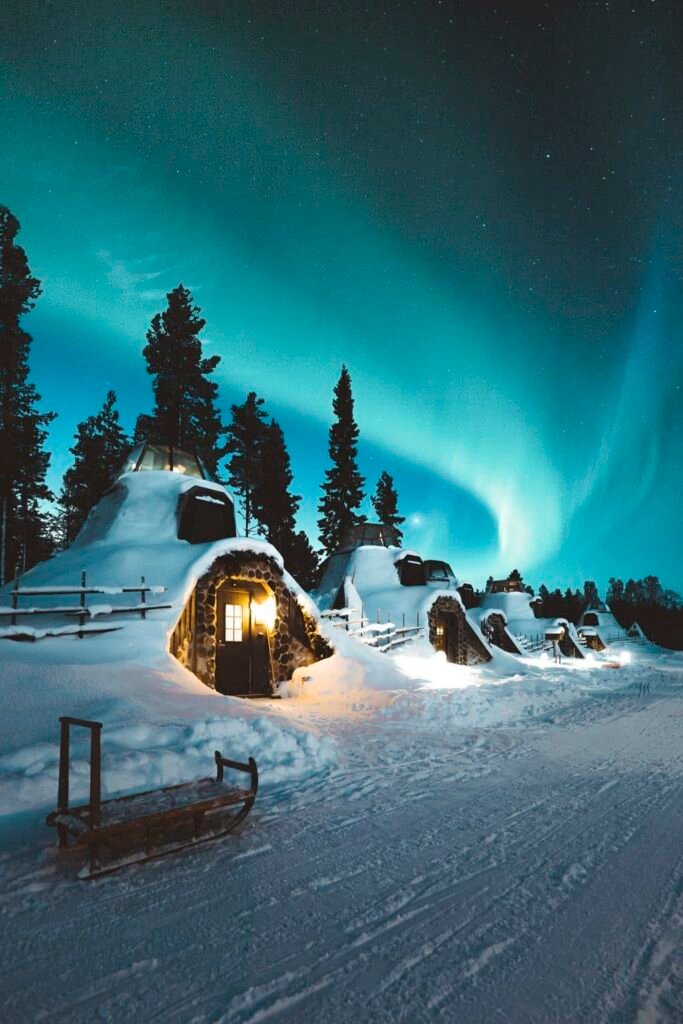
At Apukka Resort near Rovaniemi, glass-roofed Aurora Cabins provide a comfortable base for exploring the surrounding wilderness. The resort also offers guided Arctic activities, allowing visitors to experience the region beyond their accommodation.
Depending on the location and season, activities may include husky sledding, reindeer experiences, snowshoeing and cross-country skiing. A visit to a traditional Finnish sauna is another worthwhile addition, particularly after several hours in the cold.
These experiences give the trip a better rhythm. Days are spent outdoors, discovering the forests and snowy trails; evenings are reserved for good food, warmth and the possibility of an extraordinary sky.
When Should You Visit Finnish Lapland?
December to February is popular with travellers hoping for deep snow, winter activities and a classic Arctic atmosphere. These months also bring long nights, although temperatures can fall considerably below freezing.
September and October offer a different experience, with autumn colours, darker skies and less emphasis on snow-based activities. February and March can be a good compromise for travellers who want wintry scenery alongside increasing daylight.
Pack thermal layers, insulated footwear, gloves and a warm hat. Most glass igloos are designed to remain comfortable