







Five years ago, working remotely from a café in Lisbon or a beach in Bali raised eyebrows in most professional circles. Today it is mainstream — and in 2026, the infrastructure supporting it has never been more developed, more legal, or more genuinely liveable.
The digital nomad population crossed 35 million globally in 2025. Governments worldwide have responded with dedicated visa pathways, co-working ecosystems, and tax frameworks built specifically for location-independent workers. The question is no longer whether you can work and travel simultaneously. The question is where to do it best.
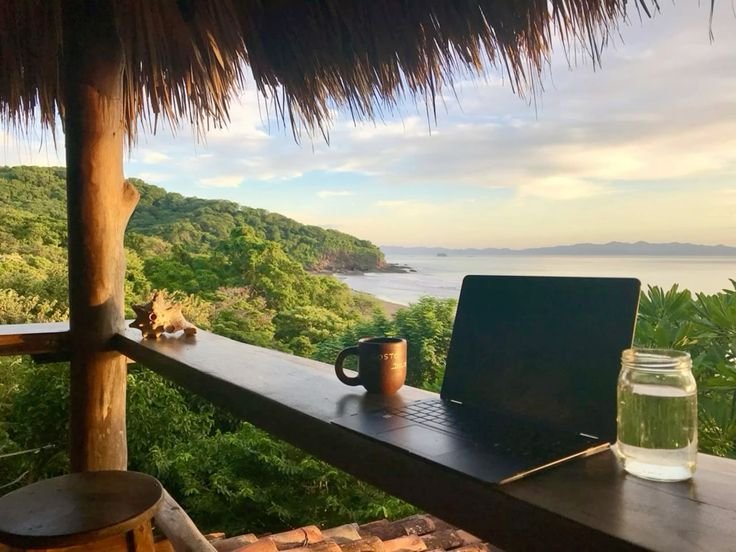
What Makes a Country Genuinely Nomad-Friendly
Not every destination that markets itself as nomad-friendly actually delivers. The ones that consistently work share five characteristics — reliable fast internet, a functioning visa pathway, a cost of living your remote income meaningfully outpaces, a quality co-working ecosystem, and genuine daily life quality covering healthcare, safety, food, and walkability. These factors matter far more on month three than they did on day one.
The Best Digital Nomad Destinations in 2026
Portugal — The Gold Standard
Lisbon and Porto have dominated the nomad conversation for three years and the dominance is deserved. Portugal offers a dedicated Digital Nomad Visa, fast internet infrastructure, and a cost of living that — while rising — remains below Western European equivalents. Lisbon’s co-working ecosystem is among the world’s most developed. The weather, food, Atlantic coastline, and cultural richness complete a package that is genuinely difficult to beat.
Best for: First-time nomads and anyone prioritising quality of life alongside productivity.
Bali, Indonesia — The Classic That Still Delivers
Bali’s nomad reputation predates mainstream remote work by a decade. Indonesia’s Digital Nomad Visa now provides a legitimate five-year pathway for qualifying remote workers — formalising what was previously a grey-area lifestyle. Canggu remains the epicentre, dense with co-working spaces and fast fibre internet. Ubud offers a quieter, more culturally immersive alternative. The cost of living remains genuinely low — comfortable life in Bali costs a fraction of Europe or North America.
Best for: Warm weather, low costs, strong community, and a lifestyle balancing work with adventure.
Mexico City, Mexico — The Rising Giant
Mexico City has emerged as arguably the most exciting nomad destination in the Americas. World-class food, extraordinary cultural richness, a creative local scene, and an affordable cost of living have created a nomad ecosystem of remarkable depth. The Roma and Condesa neighbourhoods are natural hubs — walkable, safe, and surrounded by some of Latin America’s best restaurants. Mexico’s 180-day tourist visa means most passport holders can stay six months without any application process.
Best for: Urban energy, food culture, creative industries, and proximity to the US without US prices.

Georgia — Europe’s Best Kept Secret
Georgia’s Remotely from Georgia programme allows citizens of 95 countries to live and work legally for up to one year, combined with a flat 1 percent income tax rate for qualifying remote workers. Tbilisi offers ancient churches alongside modernist architecture, one of the world’s great wine cultures, fast internet, and a cost of living among the lowest of any European-adjacent destination. The surrounding country — Caucasus mountains, wine valleys, Black Sea coast — delivers weekend adventures few nomad bases can match.
Best for: Budget-conscious nomads, history lovers, and anyone wanting off-the-beaten-path living with solid infrastructure.
Thailand — The Pioneer Reinvents Itself
Thailand was one of the original nomad destinations. Its new Long-Term Resident Visa now provides up to 10 years of legitimate stay for qualifying remote workers. Chiang Mai remains the value proposition — extraordinarily low costs, excellent co-working spaces, outstanding food. Bangkok offers world-class urban infrastructure at a fraction of Western prices. Koh Lanta and Koh Phangan have developed dedicated nomad seasons with reliable connectivity and genuine temporary community.
Best for: Budget maximisers seeking established infrastructure and proven community.
Colombia — South America’s Nomad Capital
Medellín’s transformation from one of the world’s most dangerous cities to one of its most celebrated nomad destinations is remarkable. Its eternal spring climate averaging 22 degrees year-round, thriving creative scene, improving safety, and low cost of living have created an ecosystem of real quality. El Poblado and Laureles neighbourhoods are well-served by co-working spaces and excellent cafés. Colombia’s 90-day tourist visa is extendable to 180 days for most passport holders.
Best for: Spanish learners, South America explorers, and urban energy at low cost.
The Honest Reality
The nomads who thrive long-term are not those treating every destination as a holiday with a laptop. They establish routines quickly, maintain professional output seriously, and choose destinations based on how well they work there — not just how good they look in photographs.
Three things are non-negotiable regardless of destination. Tax obligations do not disappear when you travel — understand your home country’s rules before you leave. Nomad health insurance through providers like Safety Wing or Cigna Global is essential — standard travel insurance is inadequate for long-term living. Backup internet via a local SIM is not optional — your primary connection will fail before an important call.
Done with intention, digital nomad life is one of the most expansive ways to live a working life anywhere in the world.
Explore our Travel section for more guides on smart, intentional, and deeply rewarding ways to live and work in the world in 2026