





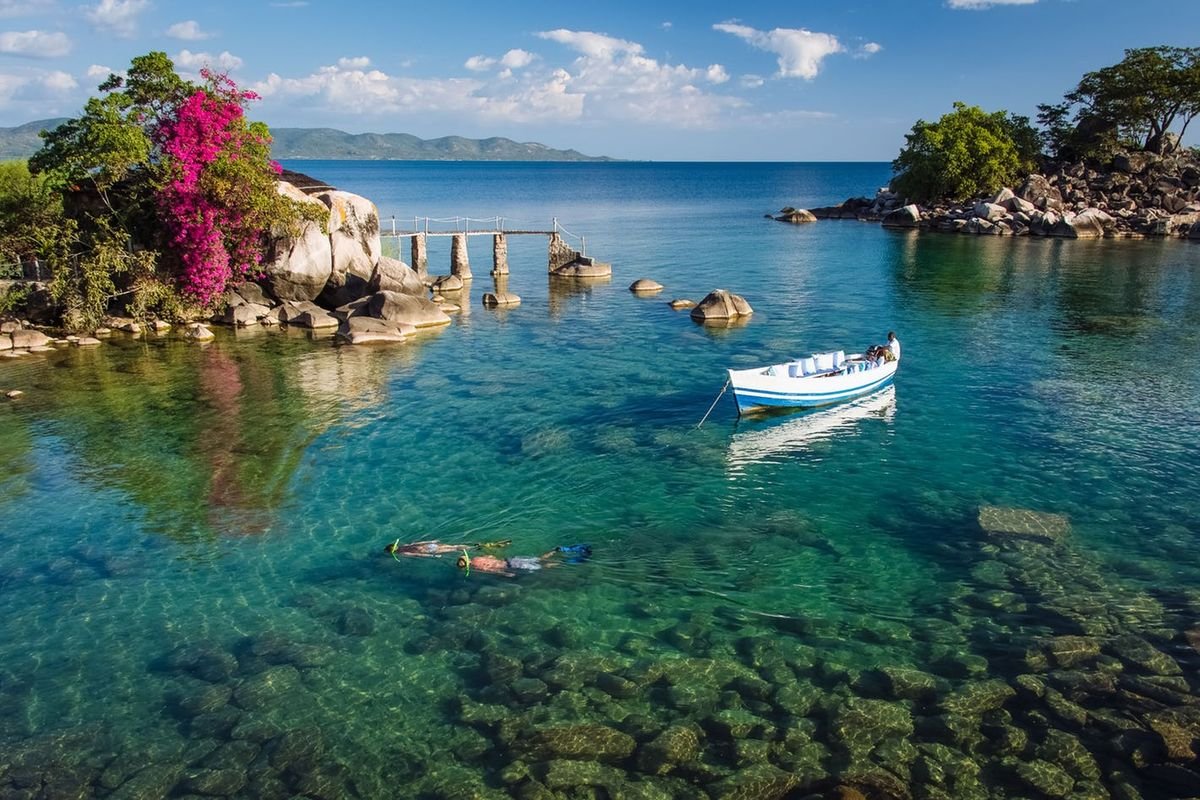

There are places in the world where travelling feels less about reaching the next attraction and more about enjoying the moments in between. Lake Malawi is one of them. Stretching across southeastern Africa, this enormous freshwater lake offers golden beaches, fishing villages, clear blue waters, and quiet landscapes that seem far removed from the rush of modern tourism. Often called the Lake of Stars, it is one of Africa’s most beautiful natural treasures and an increasingly appealing destination for travellers looking for something slower, simpler, and more meaningful.
Shared by Malawi, Mozambique, and Tanzania, Lake Malawi is one of the largest freshwater lakes in the world and the third-largest lake in Africa. Its impressive size, diverse wildlife, and relaxed lakeside communities have earned it the nickname Africa’s freshwater sea. Yet, despite its remarkable beauty, much of the lake remains relatively untouched by large-scale tourism, making it an ideal destination for those who prefer discovering places at their own pace.
A Freshwater Lake That Feels Like an Ocean
Standing on the shores of Lake Malawi, it is easy to forget that you are looking at a freshwater lake. The water stretches towards the horizon, waves gently roll onto sandy beaches, and traditional fishing boats move slowly across the surface. On particularly clear days, the water takes on beautiful shades of turquoise and deep blue.
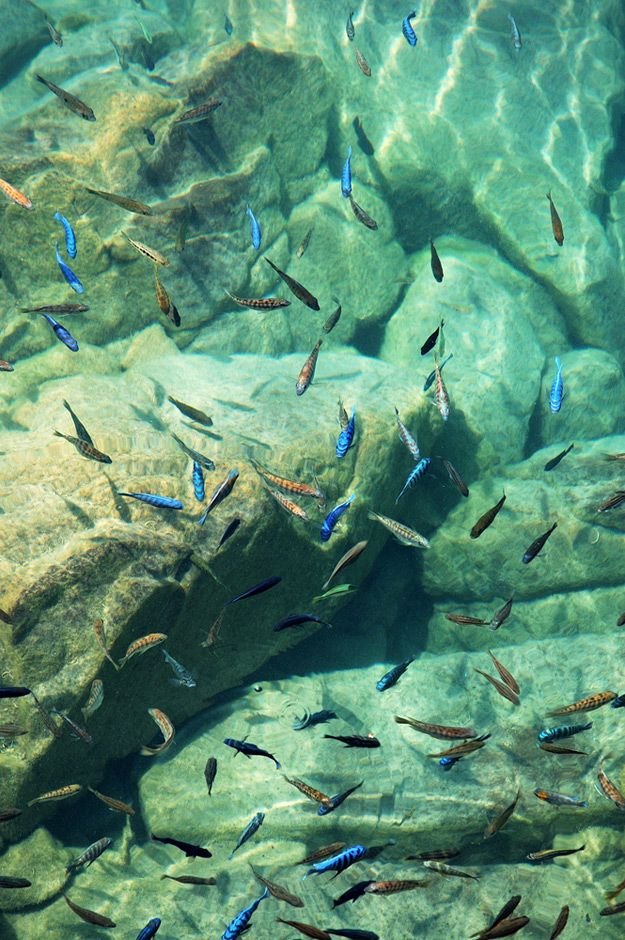
The lake is especially famous for its extraordinary biodiversity. It contains more species of fish than almost any other lake in the world, including hundreds of colourful cichlid species found nowhere else naturally. These small freshwater fish are a major attraction for snorkelling and diving enthusiasts. Beneath the surface, rocky reefs and underwater habitats create a fascinating environment that feels like a natural aquarium.
For wildlife lovers, Lake Malawi is not simply a place to relax beside the water. It is an opportunity to discover one of the most biologically important freshwater ecosystems on the planet.
Exploring the Quiet Beauty of Cape Maclear
One of the most attractive destinations along the lake is Cape Maclear, located within Lake Malawi National Park. Known for its sandy beaches, traditional fishing boats, and beautiful island views, this small lakeside settlement offers a relaxed atmosphere that encourages visitors to slow down.
Days here often begin with the sound of fishermen preparing their boats before sunrise. As the morning progresses, the beach becomes a peaceful place for swimming, kayaking, snorkelling, or simply enjoying the scenery. Nearby islands and rocky outcrops add to the beauty of the coastline.
The area is also particularly important for conservation. Lake Malawi National Park became a UNESCO World Heritage Site in 1984 because of its remarkable freshwater biodiversity. Exploring its protected waters offers visitors a chance to appreciate the natural richness that makes this destination so special.
Likoma Island: A Remote Escape in the Middle of the Lake
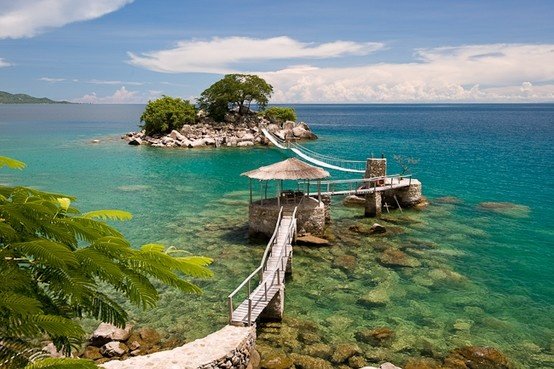
For travellers searching for somewhere genuinely different, Likoma Island is worth adding to the itinerary. Although geographically closer to Mozambique, the island belongs to Malawi and offers an unusual combination of remote beaches, local culture, and historical architecture.
One of its most impressive landmarks is St Peter’s Cathedral, a remarkable stone building that stands out against the island’s otherwise peaceful surroundings. Beyond the cathedral, Likoma is known for its quiet villages, sandy coves, and traditional way of life.
There is little pressure to fill every hour with activities. Visitors can spend their time walking along the shoreline, meeting local residents, enjoying freshly prepared fish, or watching fishing boats return with their daily catch. This unhurried atmosphere is exactly what makes the island appealing to slow travellers.
A Different Kind of Travel Experience
Lake Malawi offers something that many popular holiday destinations struggle to provide: the freedom to do very little without feeling that you are missing out. Instead of crowded attractions and tightly scheduled sightseeing, the experience revolves around nature, local interactions, and simple pleasures.
Visitors can take traditional boat trips, explore small fishing communities, enjoy lakeside meals, or watch spectacular sunsets over the water. Snorkelling and diving are particularly rewarding for those interested in freshwater wildlife, while kayaking provides a peaceful way to explore the shoreline.
Local food is another highlight. Freshly caught chambo, a popular fish native to Lake Malawi, is commonly served grilled or prepared with simple regional ingredients. Enjoying a lakeside meal while watching the evening light fade across the water is an experience that captures the spirit of the destination.
When to Visit Lake Malawi
The dry season, generally from May to October, is one of the most comfortable periods to explore Lake Malawi. These months usually offer pleasant conditions for outdoor activities, boat trips, and exploring lakeside villages. November to April brings the rainy season, when landscapes become greener but travel conditions can be less predictable.
Travellers should also consider checking local transport arrangements before visiting remote islands, as boat schedules and connections can vary.
The Beauty of Travelling Slowly
Lake Malawi is not a destination that demands constant movement. Its real attraction lies in the quiet moments: a sunrise over the water, children playing along the shoreline, fishermen returning to their villages, and evenings spent beneath enormous African skies.
For travellers searching for an alternative to crowded beach destinations, Lake Malawi offers something genuinely special. It combines extraordinary biodiversity, welcoming communities, beautiful beaches, and a slower approach to discovering the world. In a time when travel often feels rushed, this freshwater sea offers a refreshing reminder that sometimes the best journeys are the ones where there is nowhere else you need to be.