





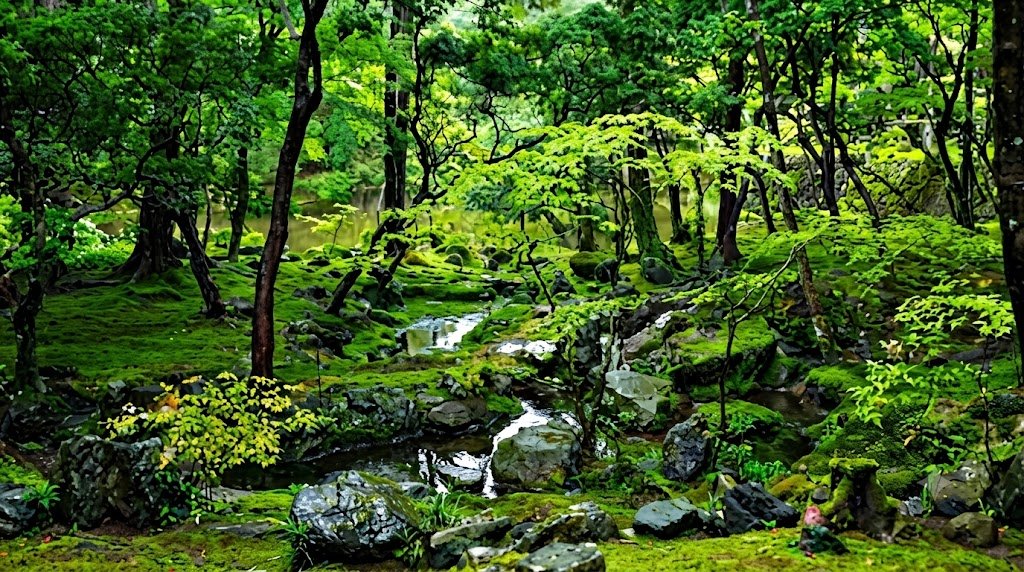

Morning arrives quietly in the Japanese mountains. Mist hangs between cedar trees, a narrow path disappears into the forest, and somewhere nearby, hot water rises from a natural spring. Inside a traditional Japanese inn, breakfast is being prepared while the rest of the world feels wonderfully far away.
This is a different side of Japan from the neon streets of Tokyo and the busy shopping districts of Osaka. Here, the pleasure lies in doing very little: soaking in an outdoor bath, watching rain fall across a garden, or sitting beside a window as the mountains slowly emerge from the mist.
Japan’s luxury ryokans offer travellers a chance to experience this quieter world. Combining traditional Japanese hospitality with beautiful settings, private hot springs and carefully prepared seasonal meals, these forest retreats turn an overnight stay into a memorable part of the journey.
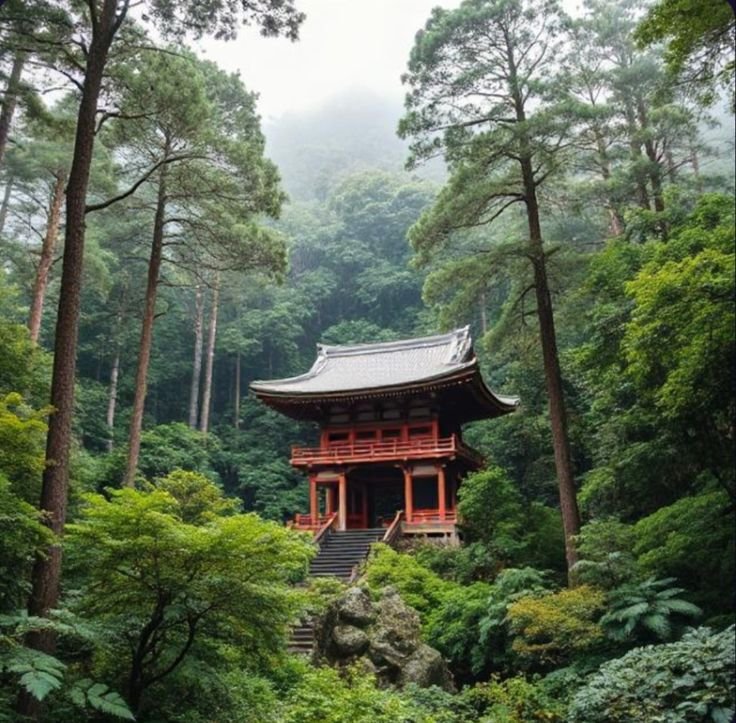
Hakone: Hot Springs Hidden in the Mountains
For travellers who want a mountain escape without venturing too far from Tokyo, Hakone is an excellent place to begin.
Known for its hot springs, forested hills and views across the surrounding mountains, the region has long attracted visitors looking for a break from city life. Its traditional inns range from intimate hideaways to luxurious properties where rooms open onto private outdoor baths.
One notable example is Gora Kadan, a luxury ryokan set on the grounds of a former imperial summer villa. Traditional Japanese design, natural hot springs and seasonal cuisine give the property a sense of place that goes beyond simply providing somewhere beautiful to sleep.
The best part of staying in Hakone may be the freedom to take the day slowly. Spend the morning exploring the area’s walking trails, visit a museum in the afternoon, then return to the inn for a long soak and dinner.
If you visit during autumn, the changing leaves bring warm shades of red and gold to the hillsides. Winter offers a different pleasure: cold mountain air followed by the comforting warmth of an outdoor hot spring.
Kurokawa Onsen: A Village That Invites You to Slow Down
On the southern island of Kyushu, Kurokawa Onsen feels wonderfully removed from Japan’s bigger tourist centres. The small hot-spring town sits in a green mountain valley, with traditional inns, wooden buildings and narrow lanes following the Tanohara River.
Rather than towering hotel blocks and bright commercial streets, the atmosphere here is quieter and more intimate. Guests often wear a yukata, a light cotton robe provided by their inn, while strolling between shops, cafés and public baths.
Many of Kurokawa’s ryokans have their own hot springs, some tucked among trees or positioned beside the river. Visitors staying overnight can enjoy the baths at different times of day, when morning mist or evening darkness changes the mood of the surroundings.
There is no need to fill every hour with activities. Walk through the village, stop for a snack, browse a small shop and return to your inn whenever you feel like it. For travellers who find elaborate itineraries exhausting, Kurokawa offers a refreshing alternative.
Yakushima: Sleeping Beside an Ancient Forest
For something more remote, head south to Yakushima, a mountainous island off Kagoshima Prefecture. Much of the island is covered in dense forest, and its ancient Japanese cedar trees are among its greatest natural treasures. Some of these trees are more than a thousand years old, while the island’s oldest celebrated cedar, Jomon Sugi, is believed to be several thousand years old.
Yakushima receives abundant rainfall, which helps create its famously lush landscape. Moss covers rocks, streams run through the forest, and low clouds drift across the mountains. A walk along one of its forest trails can feel almost otherworldly, particularly when the trees disappear into the mist.
For travellers who want comfort after a day outdoors, Sankara Hotel & Spa Yakushima offers a secluded luxury stay between the mountains and the sea. Its villas, spa facilities and locally inspired dining provide a comfortable base for exploring the island.
Yakushima is worth allowing extra time for. Weather can change quickly, and reaching the island requires additional travel planning, but that sense of distance is part of its appeal.
What Makes a Japanese Forest Retreat Special?
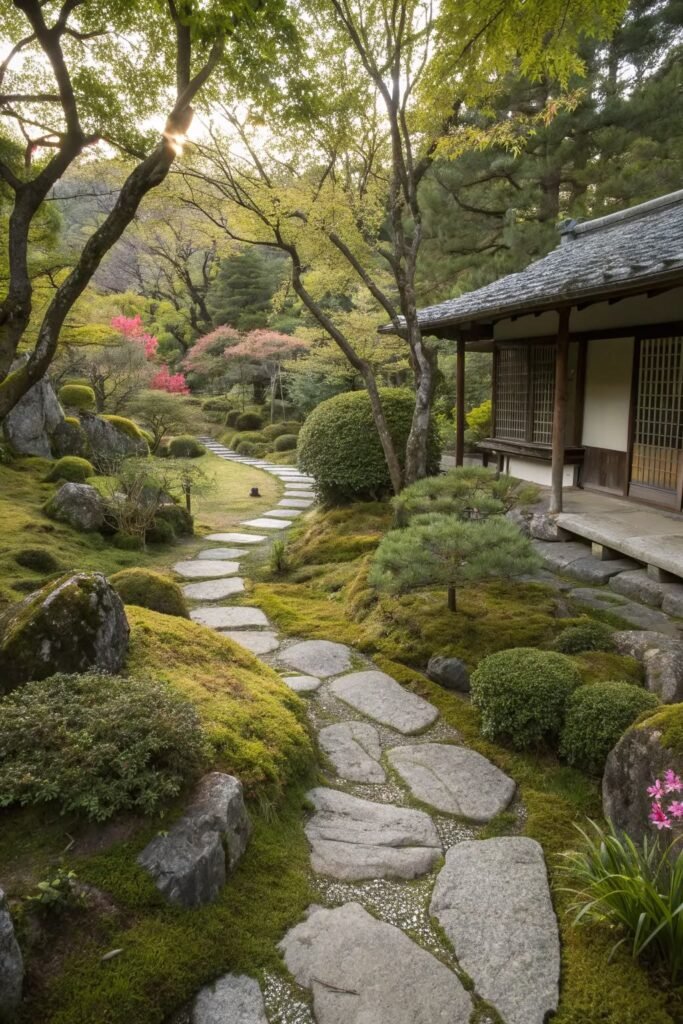
Luxury in a Japanese ryokan is not always about grand interiors or extravagant decoration. Often, it is found in smaller details: a room overlooking a garden, a hot bath ready after a long walk, or a meal that reflects the ingredients available that season.
Traditional kaiseki dining is one of the highlights of many high-end ryokans. These carefully arranged meals often feature several courses, with ingredients and presentation changing throughout the year. Dinner becomes an experience in its own right rather than something squeezed between sightseeing stops.
Before booking, check whether meals are included, whether the room has a private bath and how easy it is to reach nearby attractions. Some secluded properties require advance transport arrangements, and popular ryokans can book out well ahead during autumn foliage and other peak travel periods.
A Different Way to Experience Japan
Japan’s forest retreats are ideal for travellers who want to see more than its famous cities. Whether you choose Hakone’s mountain hot springs, Kurokawa’s traditional village atmosphere or Yakushima’s ancient cedar forests, each destination offers its own version of a slower, more thoughtful journey.
The appeal is simple: you arrive with plans, but the place encourages you to put them aside. You linger over breakfast, take one more walk beneath the trees and spend longer in the bath than you intended.
Sometimes, the most memorable part of travelling through Japan is not what you manage to see in a day. It is finding somewhere beautiful enough that, for once, you do not feel the need to hurry.