





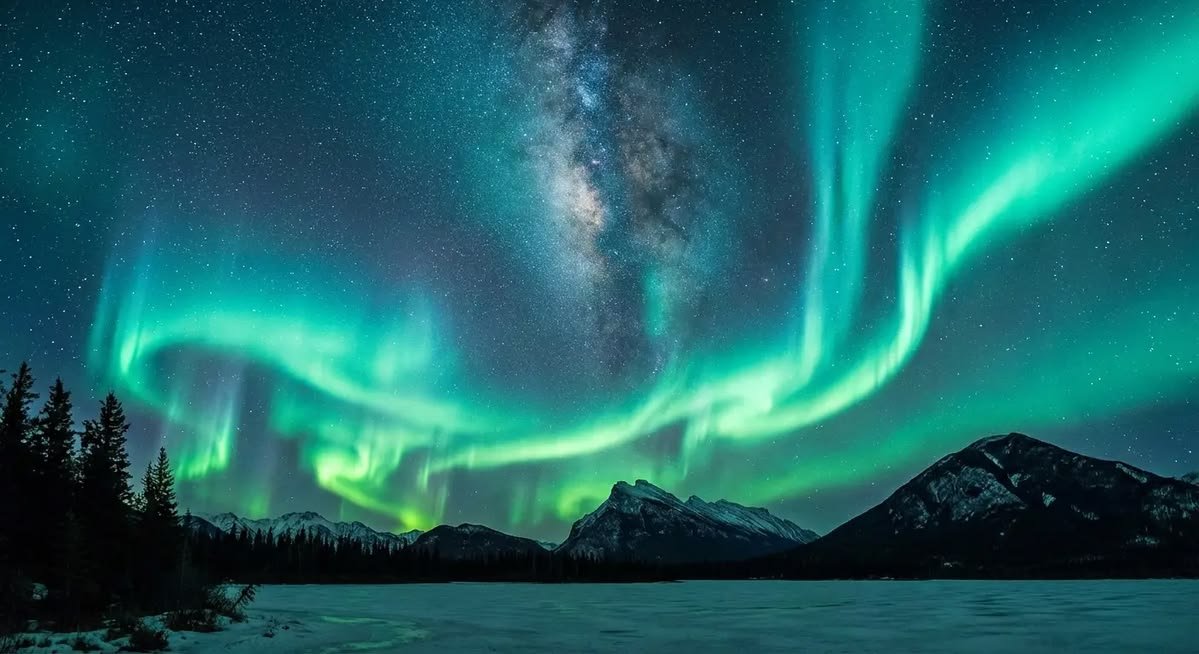

Iceland is one of the few destinations on earth that offers two completely different countries depending on when you visit. Come in summer and you get a land of endless daylight, green valleys, wildflower meadows, and a warmth — both climatic and social — that surprises almost everyone who arrives expecting permanent ice. Come in winter and you get darkness, silence, snow-covered lava fields, and a sky that occasionally catches fire in green and violet above your head.
Neither version is better. They are simply different experiences of the same extraordinary place — and choosing between them, or understanding what each delivers, is the most important decision you will make when planning an Iceland trip.
This is the honest comparison.
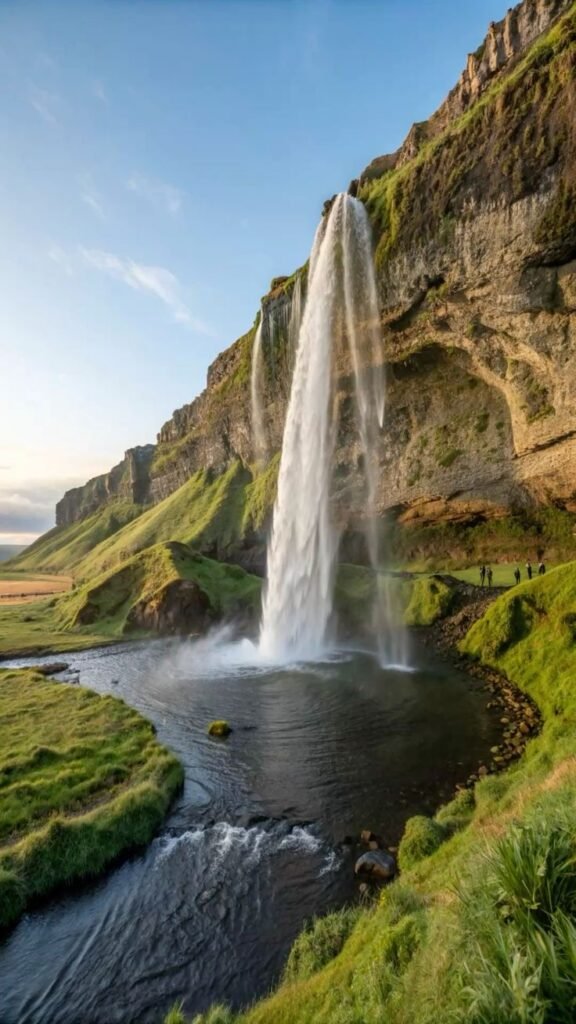
Iceland in Summer: The Midnight Sun Version
Icelandic summer runs from approximately late May through August, with June and July representing the peak. During this period the sun barely sets — in late June, Reykjavik experiences approximately 24 hours of usable daylight, with the sun dipping briefly below the horizon around midnight before rising again within hours.
The psychological effect of this is difficult to anticipate until you experience it. Time loses its normal structure. Dinner at 10pm feels natural. A hike at midnight is perfectly reasonable. The landscape, bathed in the particular golden light of a sun that never fully commits to setting, takes on a quality that photographers describe as the world’s longest golden hour.
What summer does best:
The Highland Interior — Iceland’s central highland region — the Landmannalaugar lava fields, the Kjölur route, and the Sprengisandur desert — is only accessible in summer when the F-roads open. This remote, otherworldly terrain of steaming geothermal vents, rhyolite mountains streaked in pink and orange, and vast black volcanic desert is the Iceland that most visitors never see — and it is, for many experienced travellers, the most extraordinary landscape the country contains.
Hiking — Iceland’s trail network opens fully in summer. The Laugavegur trail — 55 kilometres through geothermal landscapes, black sand plains, and glacial rivers — is the country’s premier long-distance trek and only completable between late June and early September. The Fimmvörðuháls trail connecting Skógafoss waterfall to Þórsmörk is equally spectacular and equally summer-dependent.
Puffins — between May and August, approximately 60 percent of the world’s Atlantic puffin population nests in Iceland, primarily on the Westfjords and the Vestmannaeyjar islands. Watching puffins at close range on clifftop colonies in the warm evening light is one of the most unexpectedly joyful wildlife experiences in northern Europe.
Whale watching — Húsavík in North Iceland is one of the world’s premier whale watching destinations, with humpback, minke, and blue whale sightings at their most reliable between May and September. The blue whale encounters in particular — the largest animal that has ever existed on earth, surfacing metres from a small boat — are among the most humbling wildlife experiences available to travellers anywhere.
The practical reality of Icelandic summer: It is expensive, crowded at the most famous sites, and requires advance booking for accommodation, rental cars, and popular trails. The Golden Circle — Þingvellir, Geysir, and Gullfoss — can feel genuinely overwhelmed in July. The traveller who goes in summer for the highlands, the hiking, and the wildlife and avoids the Instagram hotspots at peak hours will have a fundamentally different experience from the traveller who follows the standard tourist circuit.
Iceland in Winter: The Northern Lights Version
Icelandic winter runs from November through March, with December and January representing the darkest period — approximately five hours of daylight in Reykjavik at the winter solstice. What those five hours lack in quantity they compensate for in quality — winter light in Iceland has a particular low, blue-gold quality that makes even ordinary scenes look extraordinary.
And then there is the sky at night.
What winter does best:
The Northern Lights — the aurora borealis is Iceland’s most sought-after experience and winter is the only season in which it is visible. The lights require darkness, clear skies, and solar activity — none of which are controllable — but Iceland’s position directly beneath the auroral oval means that on any clear night between October and March, the probability of a sighting is genuinely high. The experience of watching green light move across a dark sky above a snow-covered Icelandic landscape — reflected in a frozen lake, silhouetting a volcanic ridge — is one that travellers consistently describe as the most visually extraordinary thing they have ever witnessed.
The Golden Circle in winter — the same route that feels overwhelming in July becomes an entirely different experience in winter. Geysir erupts against a backdrop of snow and steam. Gullfoss waterfall half-freezes into a spectacle that summer photographs cannot prepare you for. Þingvellir National Park in snow and low winter light carries a silence and gravitas that the summer crowds completely dissolve.
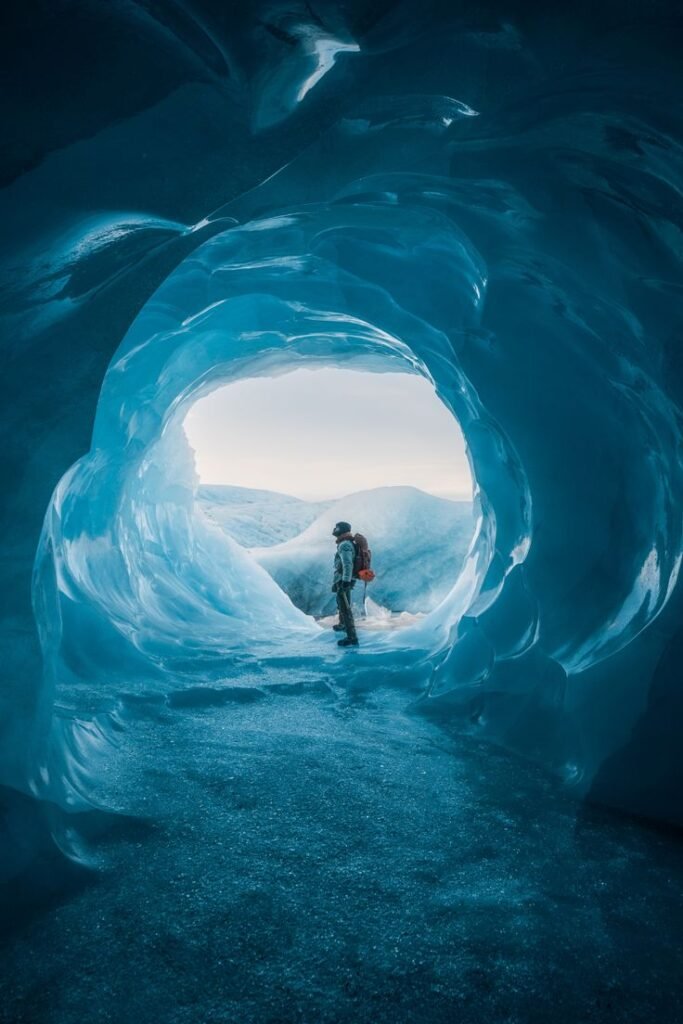
Ice caves — Iceland’s glacier ice caves are a winter-only experience, accessible only between November and March when temperatures are cold enough to ensure the structural stability of the ice. The blue ice caves beneath Vatnajökull glacier — the largest glacier in Europe — are among the most visually arresting natural formations on earth. The particular quality of glacial blue ice — deep, saturated, almost luminescent — cannot be replicated in any photograph and must be experienced in person to be fully understood.
Reykjavik in winter — Iceland’s capital reveals a different character in winter — cosier, more local, less tourist-oriented. The city’s café culture, geothermal swimming pools, and restaurant scene operate without the summer tourist overlay, and the experience of soaking in a geothermal pool under a dark sky while snow falls around you is among the most specifically Icelandic things a visitor can do.
The practical reality of Icelandic winter: Road conditions require respect and preparation — a 4WD rental is non-negotiable, and F-roads remain closed. Aurora sightings are never guaranteed — a week of cloud cover is entirely possible and requires philosophical acceptance. Daylight is limited, which constrains what is achievable in a single day. But the rewards — ice caves, aurora, the Golden Circle without crowds, and a version of Iceland that feels genuinely wild — are unavailable in any other season.
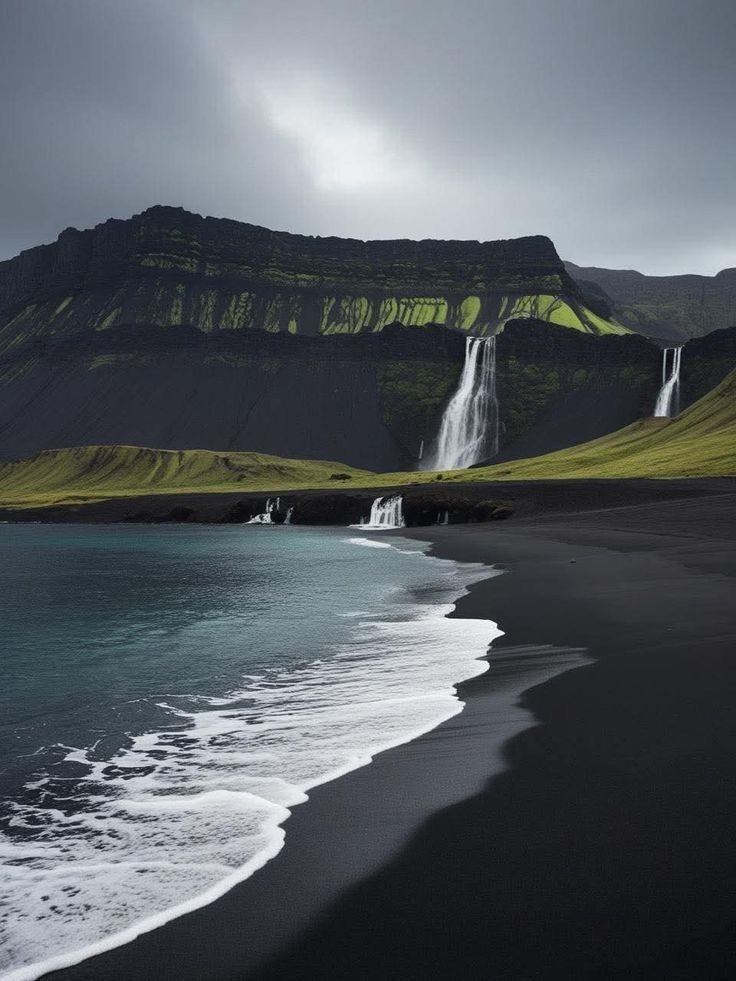
The Shoulder Seasons: April, May and September
For travellers unwilling to fully commit to either extreme, Iceland’s shoulder seasons offer a compelling middle ground.
April and May — the highlands begin to open, snow remains on the mountains, waterfalls are at their most powerful from snowmelt, and daylight extends rapidly week by week. Aurora sightings are still possible in April. Crowds are significantly below summer peak. This is, for many experienced Iceland travellers, the optimal timing.
September — the first aurora sightings of the season become possible as nights lengthen, summer hiking is still accessible in early September, puffins have departed but whale watching remains active, and the highland roads are still open until mid-October. The combination of summer accessibility and winter sky creates a window that rewards flexible travellers.
So Which Should You Choose?
The honest answer depends entirely on what you are travelling for.
Choose summer if your priorities are hiking, the highland interior, wildlife encounters, and the psychological experience of the midnight sun. Choose winter if your priorities are the northern lights, ice caves, dramatic snow-covered landscapes, and a version of Iceland that feels wilder and less mediated by tourism infrastructure.
Choose April, May, or September if you want elements of both and are willing to accept that you will get neither at its absolute peak — in exchange for lower costs, smaller crowds, and a trip that feels genuinely balanced.
What Iceland never offers, in any season, is disappointment. The country is simply too extraordinary for that. Every season delivers something that exists nowhere else on earth — a different chapter of the same remarkable story.
The only wrong choice is not going.
Explore our Destinations section for more Iceland travel guides, planning resources, and the honest advice that helps you make the most of every trip in 2026.