






There is a particular kind of travel satisfaction that Western Europe, for all its undeniable beauty, can no longer reliably deliver. The satisfaction of arriving somewhere that has not yet been optimised for visitors. Where the coffee shop does not have an English menu, the guesthouse owner is genuinely curious about where you are from, and the price of dinner does not require a moment of silent calculation before you order.
Eastern Europe in 2026 delivers all of that — and considerably more.
While the crowds gather predictably in Paris, Amsterdam, and Barcelona, an entire continent’s worth of history, culture, architecture, and natural beauty sits largely undiscovered two hours east by budget airline. The countries below are not consolation prizes for travellers who cannot afford Western Europe. They are destinations that, on their own terms, outperform their more famous neighbours in almost every dimension that experienced travellers actually care about.
Why Eastern Europe is 2026’s Smartest Travel Decision
The financial case alone is compelling. Across most of Eastern Europe, your money goes two to three times further than it does in equivalent Western European destinations. A excellent dinner in Krakow costs what a mediocre lunch costs in Paris. A beautifully restored boutique hotel in Tbilisi costs what a budget hostel costs in Barcelona. A week of genuine immersion — markets, museums, day trips, good restaurants every night — costs what a long weekend costs in London.
But the more interesting case is experiential. Eastern Europe is at a unique moment — modernising rapidly, increasingly well-connected, and developing the infrastructure that makes travel comfortable, without having yet lost the authenticity that makes travel worthwhile. That window is open now. It will not stay open indefinitely.
The Countries Worth Your Time
Poland — Medieval Grandeur at Everyday Prices
Poland is Eastern Europe’s most visited country and still among its most underrated. Krakow’s Old Town — a UNESCO World Heritage Site — is among the best-preserved medieval city centres in Europe, saved from Second World War destruction by a combination of geography and fortune. The Royal Castle on Wawel Hill, the Jewish Quarter of Kazimierz, and the sobering weight of Auschwitz-Birkenau an hour away together create a destination of extraordinary historical depth.
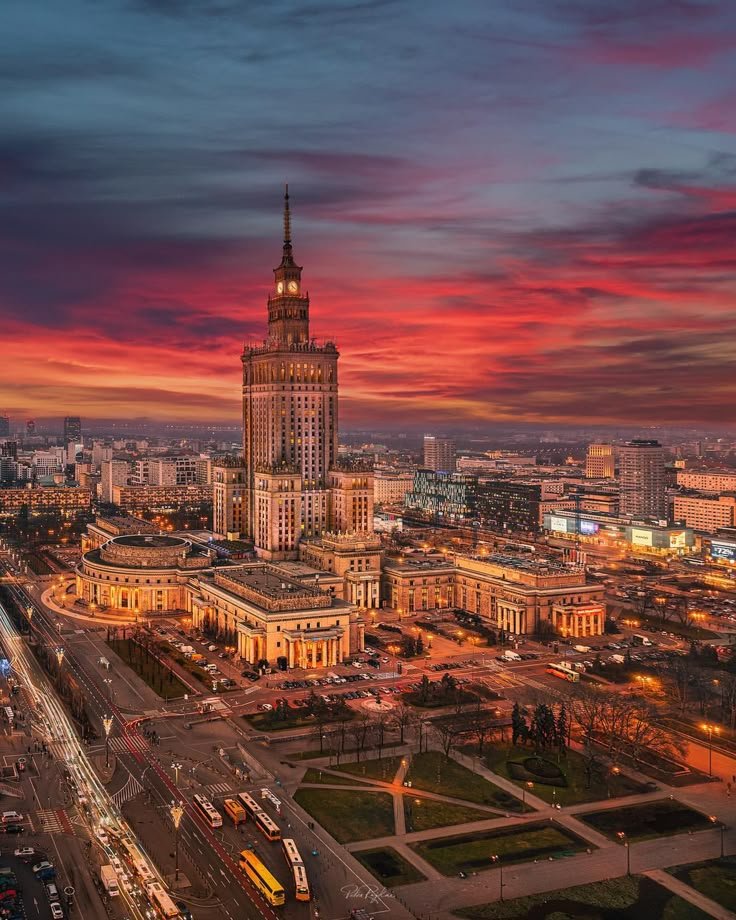
Warsaw, rebuilt entirely from rubble after being 85 percent destroyed in the war, tells a different and equally compelling story — one of collective memory, resilience, and the peculiar beauty of a city that chose to reconstruct its own past rather than accept its erasure. The food scene in both cities has evolved dramatically in the past five years. Polish cuisine — bigos, pierogi, żurek — is finding the recognition it has always deserved.
Average daily budget: €40–60 including accommodation, meals, and activities.
Czech Republic — Beyond Prague’s Old Town
Prague is one of Europe’s most visited cities and, in peak season, one of its most overwhelmed. But the Czech Republic beyond Prague is a revelation — and even Prague itself rewards the traveller willing to cross the river and walk fifteen minutes from the Old Town Square into neighbourhoods where tourism has not yet flattened everything into souvenir shops and overpriced beer.
Český Krumlov — a baroque castle town of almost absurd picturesqueness, wrapped in a bend of the Vltava River — is the most compelling day trip in Central Europe. Olomouc, the country’s second university city, offers a baroque fountain-filled centre, a thriving café culture, and almost no international tourists whatsoever. Moravia’s wine region, in the south of the country, produces wines of genuine quality that almost nobody outside the Czech Republic has yet discovered.
Average daily budget: €45–65 including accommodation, meals, and activities.
Hungary — Budapest and the Roads Less Travelled
Budapest consistently ranks among Europe’s most beautiful capital cities — and consistently delivers on that ranking. The Hungarian Parliament building lit along the Danube at night, the thermal bath culture embedded in daily life, the ruin bar scene in the Jewish Quarter, and a food culture undergoing genuine renaissance make it a city that rewards extended stays rather than quick visits.
Outside Budapest, Hungary is almost entirely off the international tourist map — which is precisely where its most interesting experiences live. The Tokaj wine region produces some of the world’s great dessert wines in a landscape of rolling vineyards and baroque wine cellars. Lake Balaton, Central Europe’s largest lake, has a particular unhurried summer energy that feels specifically Hungarian. The town of Pécs, with its Ottoman mosques converted to churches and its thriving art scene, makes a compelling case for itself as one of Europe’s most underappreciated cities.
Average daily budget: €45–65 including accommodation, meals, and activities.
Romania — Transylvania Without the Clichés
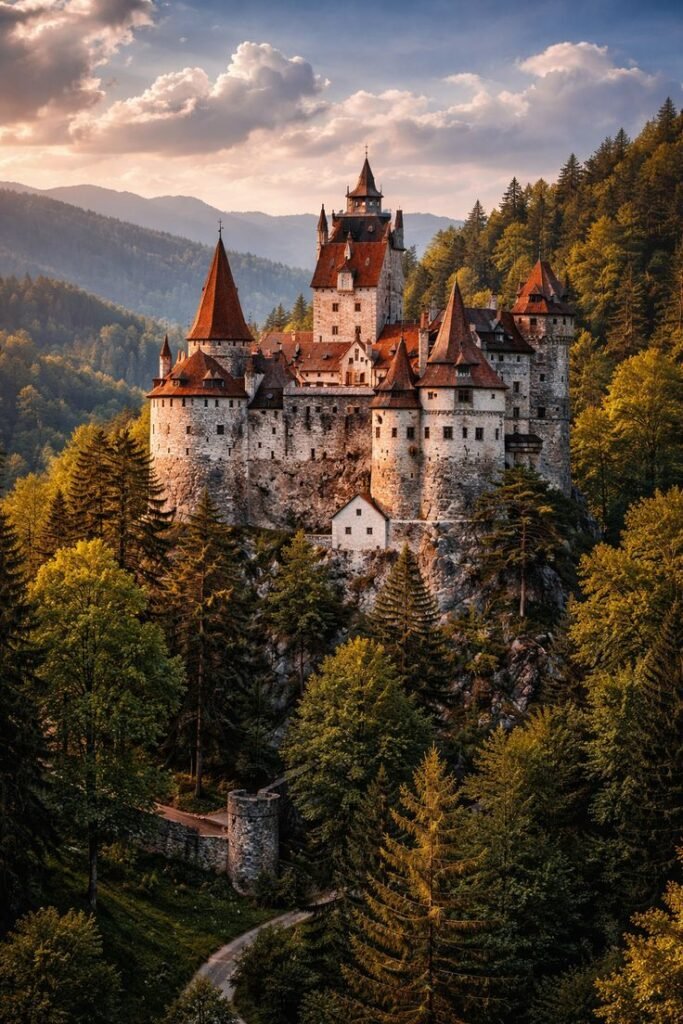
Romania suffers from a branding problem. Mention it and most people picture Dracula’s castle — a tourist attraction that has very little to do with the country’s actual character. Strip away the vampire mythology and what remains is one of the most geographically and culturally diverse countries in Europe.
Transylvania’s real appeal is its Saxon villages — Sighișoara, Viscri, and Biertan — medieval settlements of extraordinary preservation sitting in rolling green hills that look like central casting for a fairy tale. The Carpathian Mountains offer serious hiking and skiing infrastructure at a fraction of Alpine prices. Bucharest, unfairly maligned for decades, has quietly developed one of Eastern Europe’s most vibrant food and nightlife scenes in its recovered historic centre. The Danube Delta — a UNESCO biosphere reserve where the river meets the Black Sea through a labyrinth of channels, lakes, and reed beds — is one of Europe’s great wildlife destinations and almost entirely unknown to international visitors.
Average daily budget: €35–50 including accommodation, meals, and activities.
Slovenia — Europe’s Most Complete Small Country
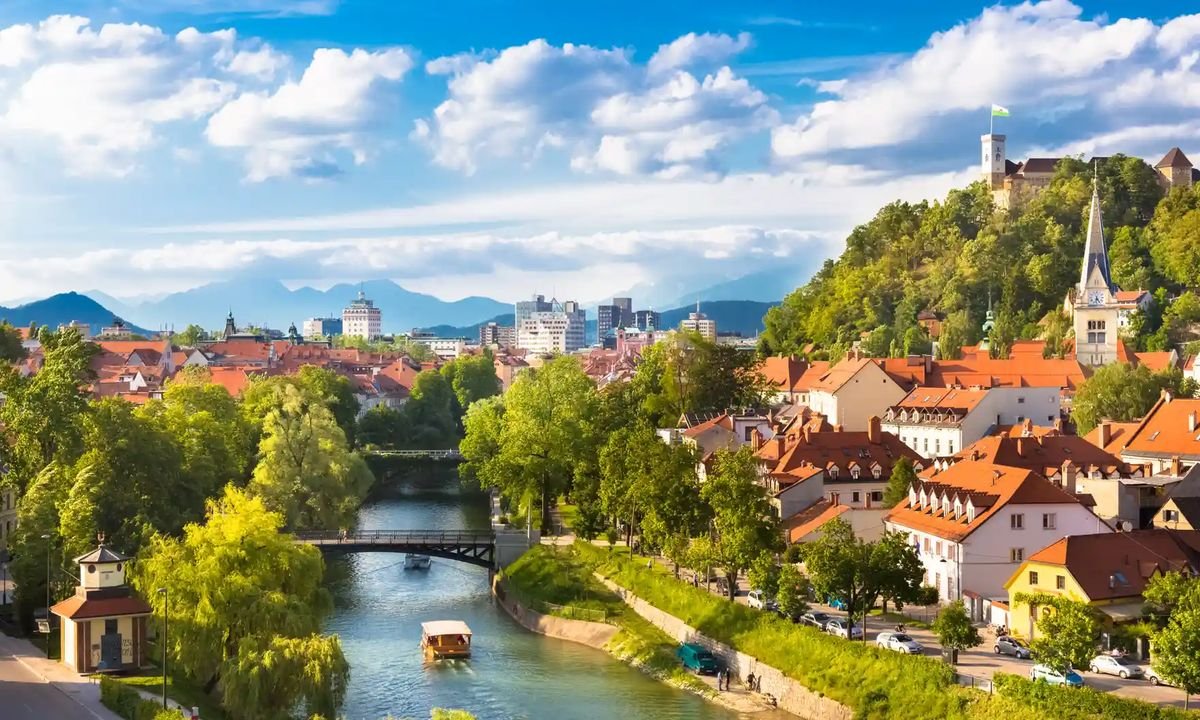
Slovenia is the argument that size and quality bear no relationship to each other. In a country smaller than Switzerland, it manages to pack an Alpine capital of genuine charm, the most photographed lake in Europe, a dramatic limestone cave system, a short but spectacular Adriatic coastline, and some of the finest hiking terrain on the continent.
Ljubljana — compact, walkable, and consistently rated among Europe’s most liveable cities — is the ideal base. Lake Bled delivers its famous island church and clifftop castle in a setting that genuinely justifies its reputation. The Soča Valley, with its otherworldly turquoise river running through alpine gorges, is the discovery that most visitors to Bled miss entirely because they do not look at the map carefully enough.
Slovenia is slightly more expensive than its Eastern European neighbours — reflecting its EU membership and higher standard of living — but remains significantly cheaper than Austria or Switzerland for comparable landscape quality.
Average daily budget: €55–80 including accommodation, meals, and activities.
North Macedonia — The Destination Nobody Is Talking About Yet
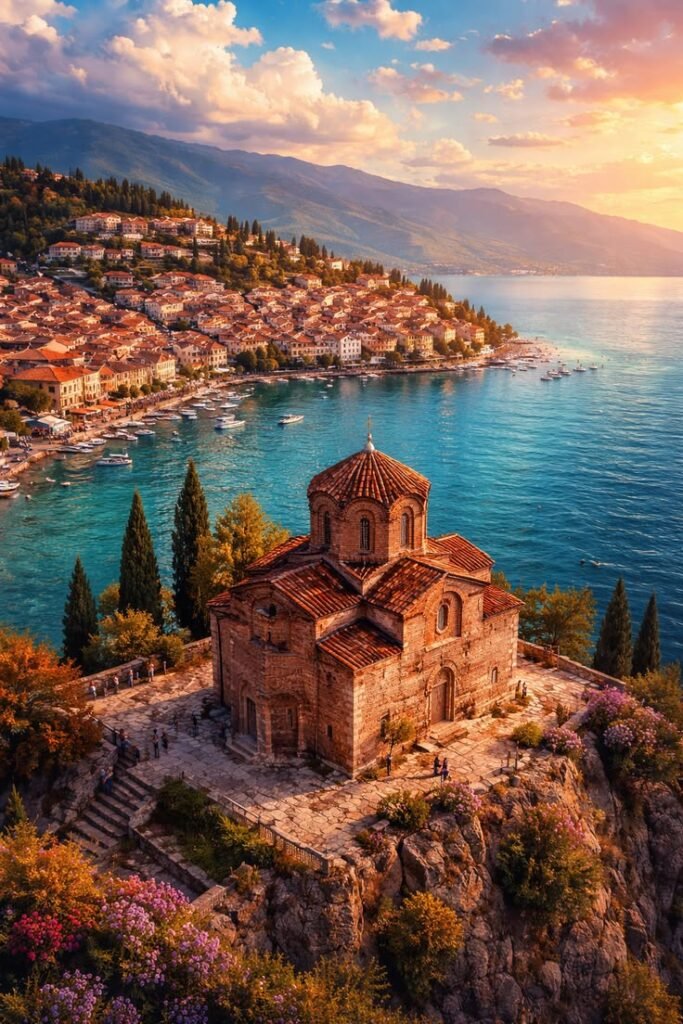
North Macedonia may be the single most undervisited country in Europe relative to what it offers. Ohrid — a UNESCO-listed town on the shores of one of Europe’s oldest and deepest lakes — combines Byzantine churches, Roman-era ruins, clear water swimming, and a café culture of genuine warmth in a setting that carries the atmosphere of the Croatian coast fifteen years ago, before the crowds arrived and the prices followed.
Skopje, the capital, is a genuinely strange and fascinating city — baroque facades, Ottoman bazaars, and an overambitious neoclassical renovation project that has given the city centre an appearance unlike anything else in Europe. Strange is not always bad. In Skopje’s case it is frequently entertaining and occasionally brilliant.
The food — grilled meats, fresh vegetables, excellent local wine and rakija — is generous, unpretentious, and extraordinarily affordable.
Average daily budget: €25–40 including accommodation, meals, and activities.
Serbia — The Balkan Country That Surprises Everyone
Serbia is the country that most surprises the travellers brave enough to visit without a strong recommendation from someone who has been before. Belgrade — loud, warm, historically layered, and genuinely alive at 3am in a way that most European capitals are not — is one of the continent’s great underrated cities. The confluence of the Sava and Danube rivers at Kalemegdan Fortress at sunset is among the finest free views in Europe.
Beyond Belgrade, Novi Sad — home to the EXIT music festival in July, one of Europe’s finest — offers a more relaxed pace and a beautifully preserved baroque centre. The monasteries of southern Serbia, particularly Studenica and Sopoćani, are among the greatest examples of Byzantine art in existence and receive a fraction of the visitors that comparable sites in Greece or Turkey attract. The Serbian countryside — rolling hills, river canyons, and the dramatic Tara National Park — is outdoor travel of genuine quality.
Average daily budget: €30–50 including accommodation, meals, and activities.
Practical Eastern Europe: What You Need to Know
Getting there — Budget airlines including Wizz Air, Ryanair, and easyJet connect most major Eastern European cities to Western European hubs at prices that make the flight the cheapest part of the trip. Connections between Eastern European cities by bus — particularly FlixBus — are frequent, comfortable, and remarkably affordable.
Getting around within countries — Train networks vary in quality. Poland and Czech Republic have reliable, comfortable rail systems. Romania and Serbia are slower but improving. For flexibility and access to rural areas, car rental remains the best option and costs significantly less than in Western Europe.
Safety — Eastern Europe is, broadly speaking, very safe for tourists. Standard urban precautions apply in larger cities. Solo female travellers report consistently positive experiences across the region.
Language — English is widely spoken in tourist areas and among younger populations across the region. Outside major cities, a translation app and a willingness to communicate through goodwill and gesture covers most situations comfortably.
Best time to visit — May through September offers the best weather across the region. July and August bring the highest domestic tourism to lake and coastal destinations. June and September offer the optimal balance of good weather and manageable crowds.
The Bottom Line
Eastern Europe in 2026 is not a compromise. It is not the destination you choose because you cannot afford somewhere else. It is the destination you choose because you have travelled enough to know that the places worth going to are the ones that still have something to reveal — destinations that reward curiosity, repay slow travel, and leave you with the specific satisfaction of having been somewhere real.
The crowds are elsewhere. The value is here. The window is open.
Book the flight east.
Explore our Destinations section for more deep-dive guides, hidden gem discoveries, and the travel intelligence that keeps you ahead of the crowds in 2026 and beyond.