





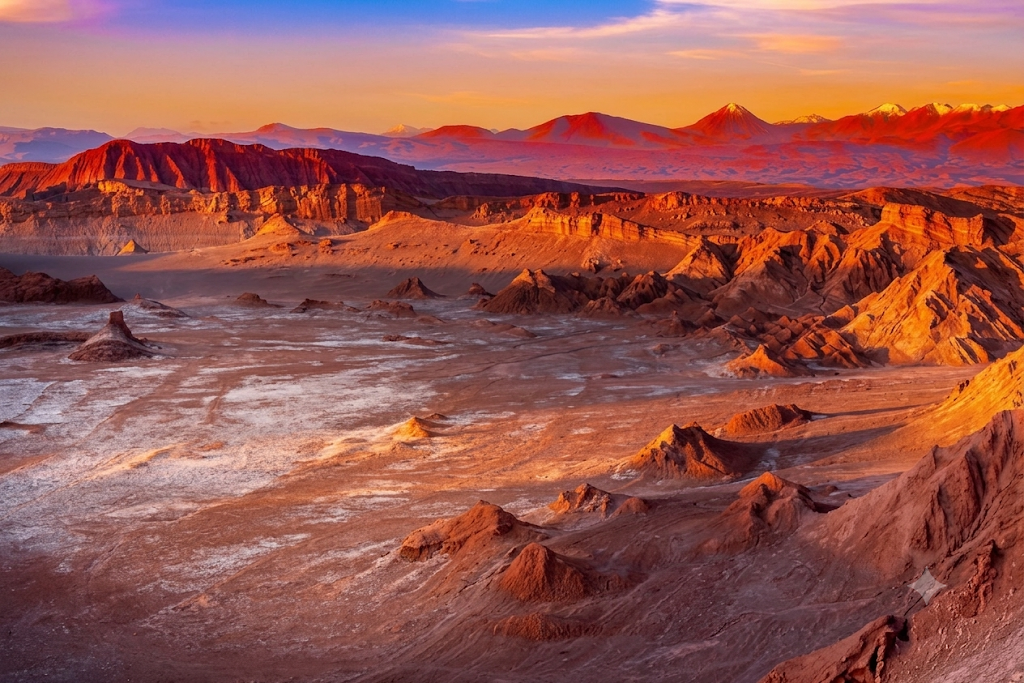

Imagine standing beneath a sky so clear that thousands of stars appear brighter than you have ever seen them, while the landscape around you looks more like the surface of the Moon than somewhere on Earth. This is the Atacama Desert in northern Chile, one of the most extraordinary natural destinations on the planet. Known as the driest non-polar desert in the world, the Atacama is a place of endless salt flats, towering volcanoes, unusual rock formations, and some of the clearest night skies ever observed.
Stretching across northern Chile, between the Pacific Ocean and the Andes Mountains, this remarkable desert offers an experience that goes far beyond traditional sightseeing. Its unusual geography, extreme climate, and breathtaking night skies attract photographers, adventure seekers, scientists, and travellers looking for landscapes that feel almost unreal.
A Desert That Looks Like Another Planet
The first impression of the Atacama Desert is its extraordinary emptiness. Vast stretches of sand, rocky mountains, salt-covered valleys, and ancient volcanic formations create a landscape unlike anything found in most other parts of the world. Some areas receive almost no rainfall for years, leaving the terrain remarkably dry and untouched.
One of the most fascinating places to explore is Valle de la Luna, or Moon Valley, near the small desert town of San Pedro de Atacama. Its name comes from its unusual terrain, which includes sharp rock formations, enormous sand dunes, and weathered hills that resemble a lunar landscape. During sunset, the surrounding mountains turn shades of gold, pink, and deep orange, creating a spectacular natural display.
Another impressive attraction is the Atacama Salt Flat, known as Salar de Atacama. This enormous salt-covered basin is surrounded by mountains and volcanoes and is home to several lagoons where flamingos can often be spotted. The contrast between white salt formations, blue water, and distant mountain peaks makes it one of the region’s most photogenic landscapes.
Stargazing Beneath One of the Clearest Skies on Earth
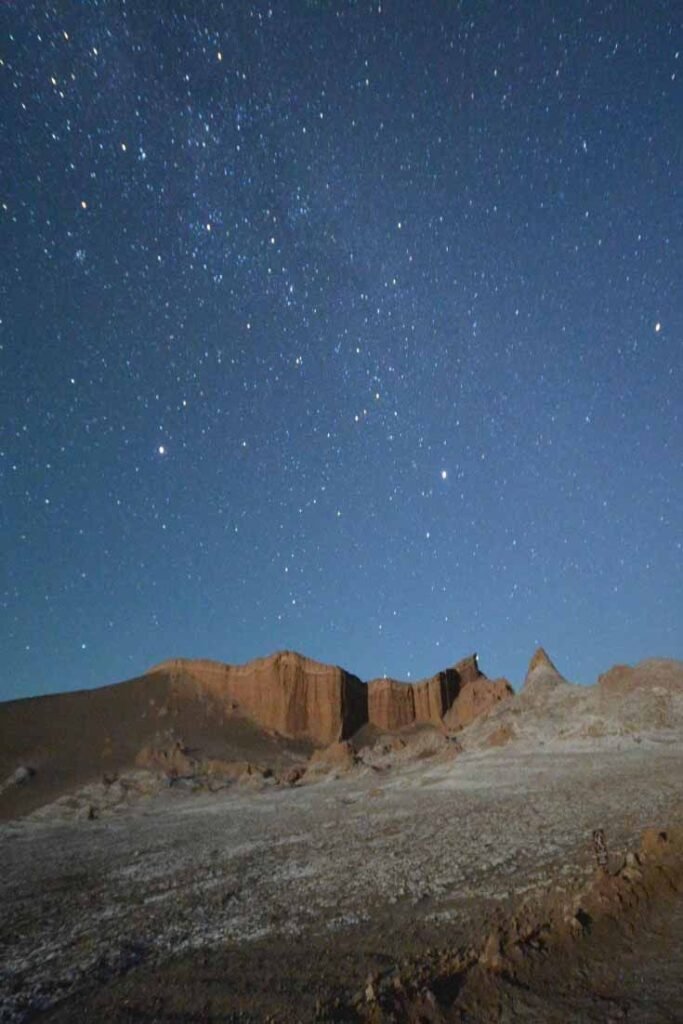
While the Atacama Desert is beautiful during the day, its real magic begins after sunset. Thanks to its extremely dry climate, high altitude, limited cloud cover, and low light pollution in remote areas, the desert offers some of the world’s best conditions for stargazing.
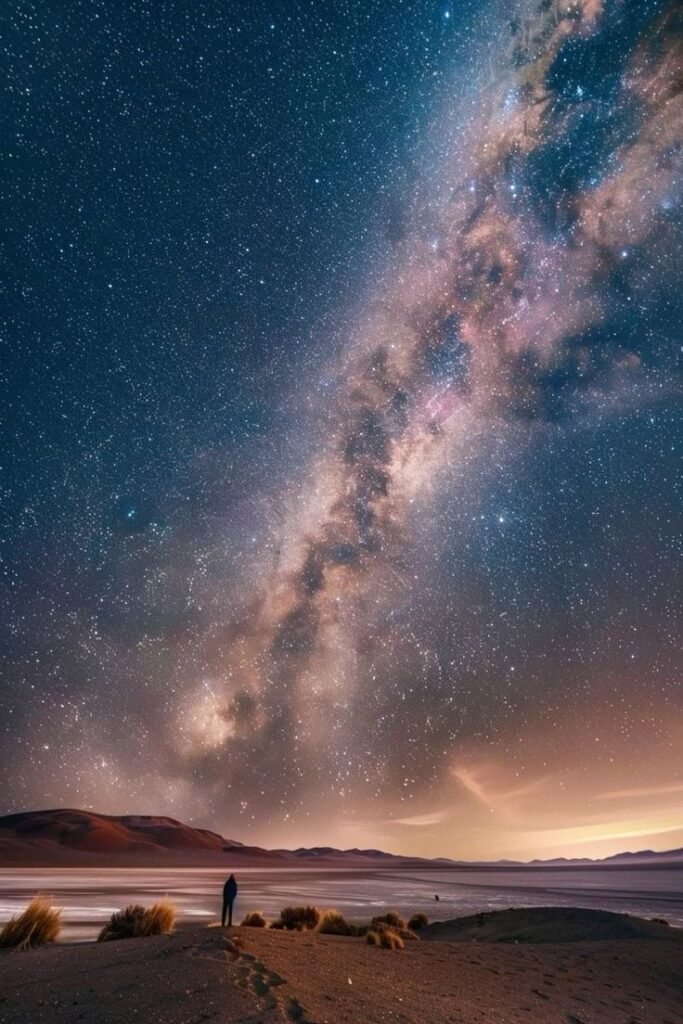
The night sky reveals an incredible collection of stars, planets, and distant galaxies. On clear evenings, the Milky Way stretches across the darkness like a glowing river of light. For many visitors, witnessing this extraordinary view becomes the highlight of their journey.
San Pedro de Atacama is the main base for astronomical experiences. Several local operators organise guided stargazing tours where visitors can observe celestial objects through powerful telescopes while learning about constellations and the southern night sky. The region is also home to world-famous astronomical research facilities, including the Atacama Large Millimeter/submillimeter Array (ALMA), which studies the universe from one of the planet’s most remarkable scientific locations.
Exploring Geysers, Volcanoes and High-Altitude Lagoons
The Atacama Desert is not just about sand and stars. Its surrounding landscapes contain some extraordinary natural attractions. One of the most popular is El Tatio, a geothermal field located high in the Andes. Early in the morning, visitors can witness columns of steam rising from geysers as cold mountain air meets the hot water beneath the surface.
The experience is particularly impressive around sunrise, when the steam creates an atmospheric scene against the distant volcanic peaks. Because of the high altitude, visitors should take time to adjust to the conditions and avoid rushing their exploration.
The region’s high-altitude lagoons are equally beautiful. Laguna Miscanti and Laguna Miñiques sit beneath enormous volcanic mountains and are known for their deep blue waters and peaceful surroundings. Their remote location makes them ideal for travellers interested in photography, wildlife, and quiet natural scenery.
San Pedro de Atacama: The Gateway to Desert Adventures
Most journeys through the region begin in San Pedro de Atacama, a small town surrounded by some of Chile’s most impressive desert landscapes. Its adobe-style buildings, dusty streets, local restaurants, and relaxed atmosphere make it a charming place to spend a few days.
The town is also an excellent starting point for exploring the surrounding attractions. Visitors can arrange guided excursions, rent bicycles, discover nearby archaeological sites, or enjoy traditional Chilean food. Despite its growing popularity, San Pedro retains much of its small-town character.
When Is the Best Time to Visit the Atacama Desert?
The Atacama Desert can be visited throughout the year, although the best time depends on the experiences travellers are looking for. The months between March and November generally offer favourable conditions for exploring the region. Winter nights, particularly from June to August, can become extremely cold, but the skies are often excellent for astronomical observation.
Visitors should pack warm clothing for evenings, comfortable walking shoes, sunscreen, and plenty of water. The high altitude of several attractions can also affect travellers, so allowing time for acclimatisation is important.
A Journey Beyond Ordinary Travel
Chile’s Atacama Desert is a destination that changes the way people experience nature. Its unusual landscapes, steaming geysers, remote lagoons, and extraordinary night skies create an atmosphere that is difficult to describe until experienced in person.
Whether you are watching the Milky Way from a quiet desert viewpoint, exploring the lunar-like formations of Moon Valley, or witnessing sunrise over the El Tatio geysers, every moment offers something memorable. For travellers searching for unusual destinations and unforgettable natural experiences, the Atacama Desert is more than a place to visit. It is a reminder of just how extraordinary our planet can be.