





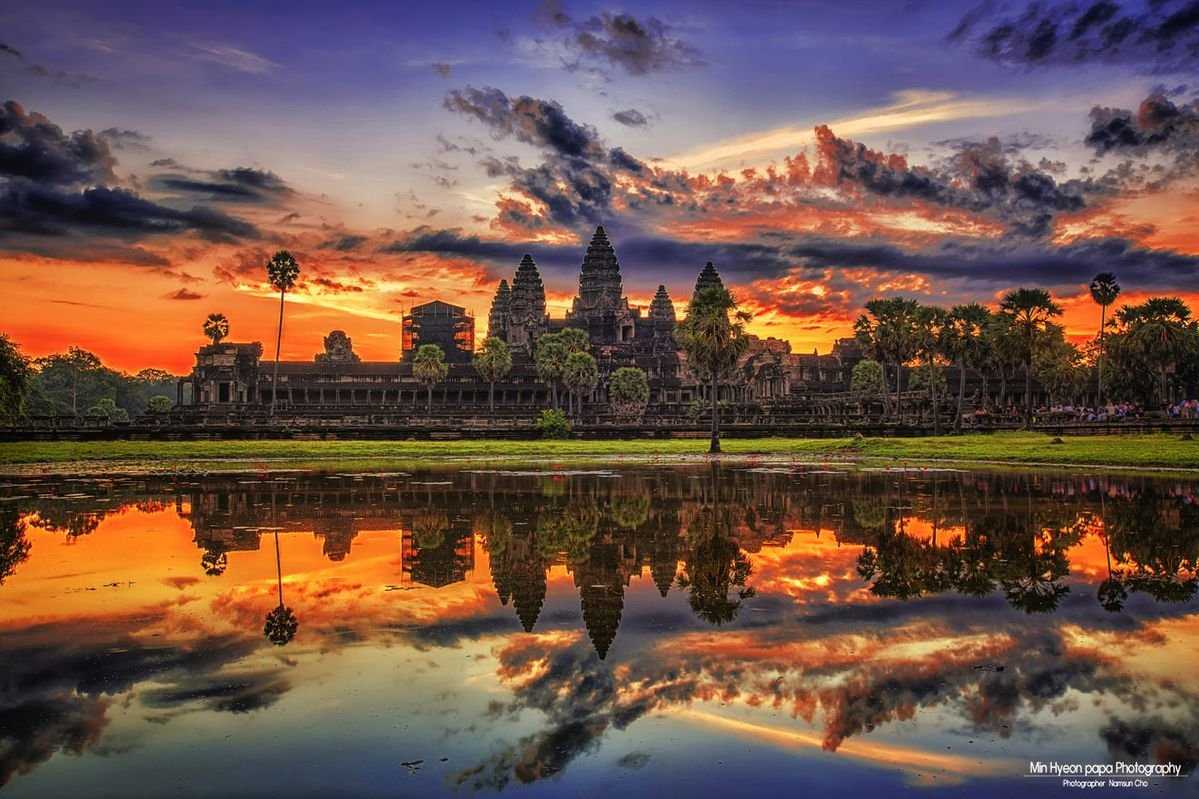

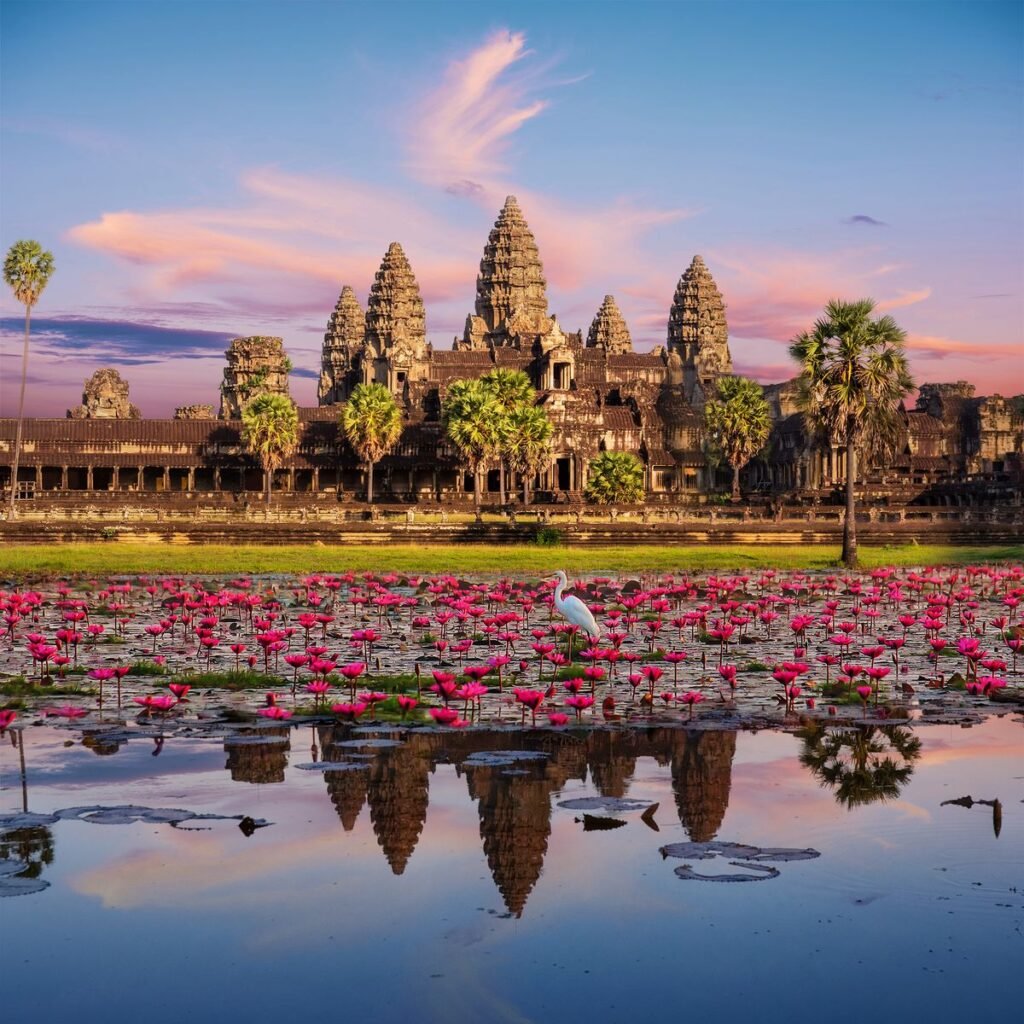
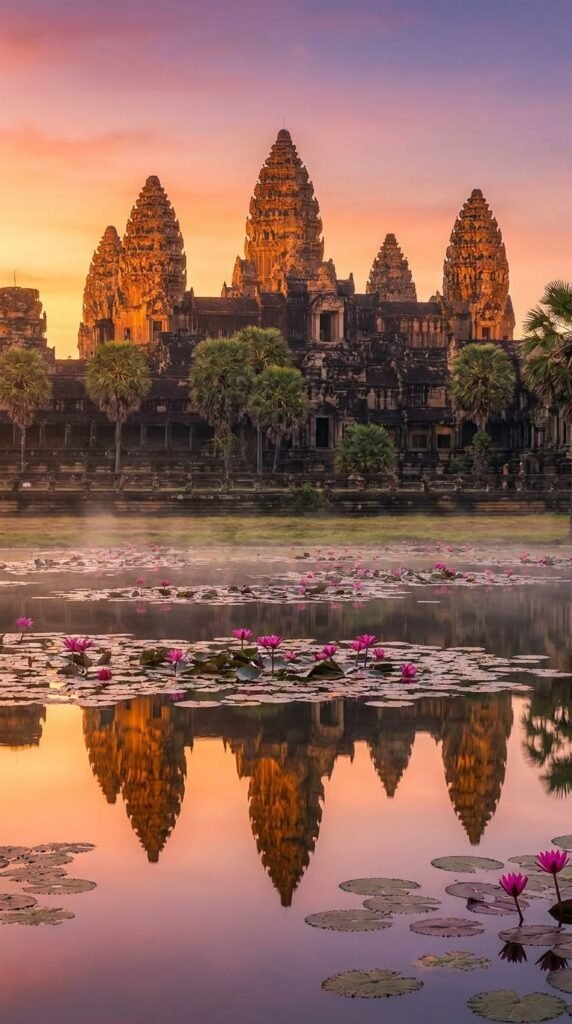
Angkor Wat gets the postcards. Bagan gets the silence. Spread across a dusty plain on the bend of the Irrawaddy River, more than two thousand Buddhist temples and pagodas rise out of scrubland in every direction, a density of ancient religious architecture that has few genuine rivals anywhere on Earth, and yet Bagan remains a fraction as visited as its more famous Cambodian counterpart. That gap has less to do with what Bagan offers and more to do with the complicated country surrounding it, a distinction worth understanding before deciding whether, and how, to go.
A Temple Plain Older Than Its Reputation Suggests
Bagan’s temple-building era ran from roughly the ninth to the thirteenth century, a period when the Pagan Kingdom, Myanmar’s first unifying dynasty, constructed what UNESCO’s 2019 World Heritage inscription describes as an outstanding testament to Buddhist devotion at civilizational scale. Where Angkor Wat centres on a single, extraordinary structure surrounded by supporting temples, Bagan works differently, thousands of individual monuments scattered across roughly a hundred square kilometres, ranging from towering red-brick stupas to small, weathered shrines still frequented by local worshippers rather than roped off for tourism alone. The experience that photographs best, hundreds of temple spires emerging from morning mist, viewed from a hot air balloon or a quiet hillside, exists precisely because no single monument dominates the landscape the way Angkor Wat dominates its own.
Fewer Crowds, For Reasons Worth Understanding
Angkor Wat draws millions of visitors annually. Bagan draws a fraction of that, and the honest reason is Myanmar’s political situation. The country has been under military rule since a February 2021 coup, triggering ongoing civil conflict in several regions and prompting Level 4 “Do Not Travel” advisories from the US State Department and similarly high-level warnings from the UK, Australia, Canada, and the EU. A magnitude 7.7 earthquake in March 2025 added further damage, affecting thousands of structures nationwide including monuments within the Bagan Archaeological Zone itself, alongside significant human and infrastructure toll elsewhere in the country. None of this is footnote material. Anyone considering Bagan should read the situation clearly rather than skip past it for the sake of a better blog post.
What the Ground Reality Actually Looks Like
Despite those advisories, on-the-ground reporting through 2026 consistently describes Bagan, along with Yangon, Mandalay, and Inle Lake, as remaining within what local guides call the “tourist kite,” areas that have stayed largely accessible and functional throughout the post-coup period, even as fighting continues in Sagaing, Chin, Shan, Kayah, and Kayin states, well outside any typical tourist itinerary. Hotels operate, markets run, and balloon flights over the temple plain continue largely without incident. That doesn’t erase the advisories, and it doesn’t make the decision to travel a simple one. Myanmar’s own National Unity Government, formed by ousted elected officials, has stopped short of calling for a tourism boycott, instead urging travellers to avoid patronising military-linked businesses specifically, a more nuanced position than a blanket yes or no.
A Decision Worth Making Deliberately
There’s a real ethical conversation happening among travellers about whether visiting Myanmar right now, however carefully, indirectly supports a military government responsible for serious human rights concerns, and reasonable, well-informed people land on different sides of that question. What isn’t reasonable is pretending the question doesn’t exist because the temples are beautiful. Anyone weighing a trip to Bagan should check their government’s current advisory, research which local operators and guesthouses avoid military-linked ownership, and go in with full information rather than a curated version of the story.
Why It Still Belongs in the Conversation
Bagan’s temple plain remains one of the genuine architectural wonders of Southeast Asia, arguably rivaling Angkor Wat in scale and significantly exceeding it in sheer density of individual monuments. Whether it belongs on your itinerary isn’t a question this piece can answer for you. It’s one worth answering with the full picture in front of you, not the postcard version alone.