





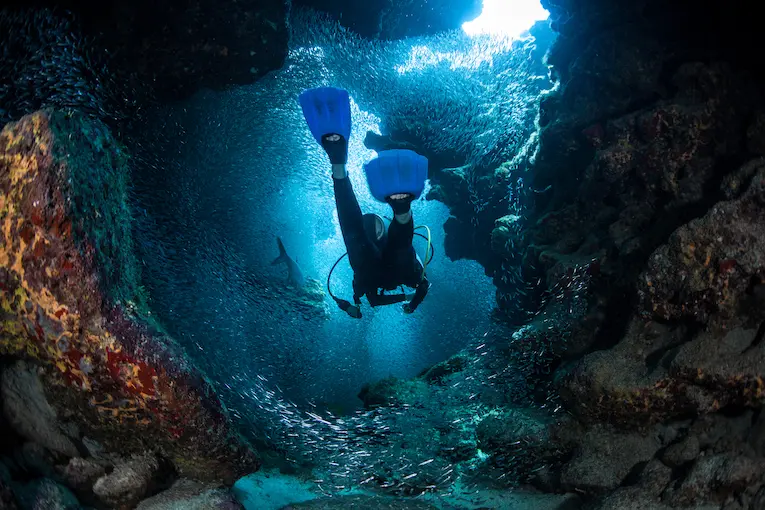

For years, travel was about ticking destinations off a list—three cities in five days, packed itineraries, rushed sightseeing, and constant movement. But a major shift is happening in the travel world. More travelers are now embracing slow travel, a mindful approach that focuses on deeper experiences, cultural connection, and intentional exploration. This growing trend is reshaping how people travel, why they travel, and what they seek from every journey.
Why Travelers Are Choosing Slow Travel
One of the biggest reasons behind the rise of slow travel is burnout. Modern life is fast, digital, and constantly demanding. Many travelers now see vacations as a way to slow down rather than speed up. Slow travel allows people to relax, disconnect from constant schedules, and enjoy moments without pressure.
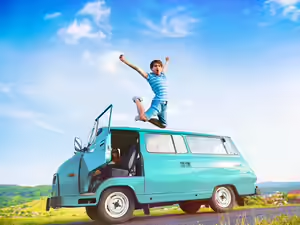
Another reason is authenticity. Travelers are increasingly drawn to experiences that feel real—local food, cultural traditions, and everyday life. Spending more time in one place makes these authentic experiences more accessible and meaningful.
Budget-Friendly and Sustainable
Contrary to popular belief, slow travel can be more affordable than fast-paced trips. Staying longer in one location often reduces transportation costs, and long-term stays usually come with discounts. Cooking some meals instead of eating out every day also helps control expenses.
Slow travel is also more sustainable. Fewer flights, reduced transportation, and support for local businesses help minimize environmental impact. As sustainability becomes a priority for travelers, slow travel offers a responsible and eco-conscious alternative.
Building Deeper Cultural Connections
One of the most rewarding aspects of slow travel is the opportunity to build genuine connections. When travelers stay longer, they interact more with locals—shop owners, neighbors, café staff, and guides. These interactions often lead to meaningful conversations, shared stories, and a deeper understanding of the destination.
Instead of just seeing landmarks, travelers experience daily rhythms—morning markets, evening walks, local festivals, and community traditions. These moments often become the most memorable parts of a journey.
Ideal Destinations for Slow Travel
Slow travel works well almost anywhere, but some destinations are particularly suited to it. Small towns, coastal villages, countryside regions, and culturally rich cities are ideal for unhurried exploration. Places with walkable streets, strong local culture, and relaxed lifestyles naturally encourage slower travel.
Popular slow travel choices include Mediterranean villages, Southeast Asian towns, European countryside regions, and historic cities where culture, food, and community life take center stage.
Slow Travel and Remote Work
The rise of remote work has also fueled the slow travel movement. Digital nomads and remote professionals can now live and work from different parts of the world for weeks or months at a time. This lifestyle allows travelers to maintain routines while experiencing new cultures, creating a balance between productivity and exploration.
Co-living spaces, long-term rentals, and travel-friendly work setups make slow travel more accessible than ever before.
How to Embrace Slow Travel
Adopting slow travel doesn’t require dramatic changes. Start by choosing fewer destinations and staying longer in each place. Plan free days without strict itineraries. Walk more, observe more, and allow spontaneity to guide your experience.
Engage with local culture—try regional dishes, attend local events, and explore beyond tourist hotspots. Most importantly, shift your mindset from “seeing everything” to “experiencing enough.”
Why Slow Travel Feels More Fulfilling
Many travelers report that slow travel feels more enriching and emotionally satisfying. Without the stress of rushing, people become more present. Moments feel richer, memories last longer, and travel feels less like a checklist and more like a personal journey.
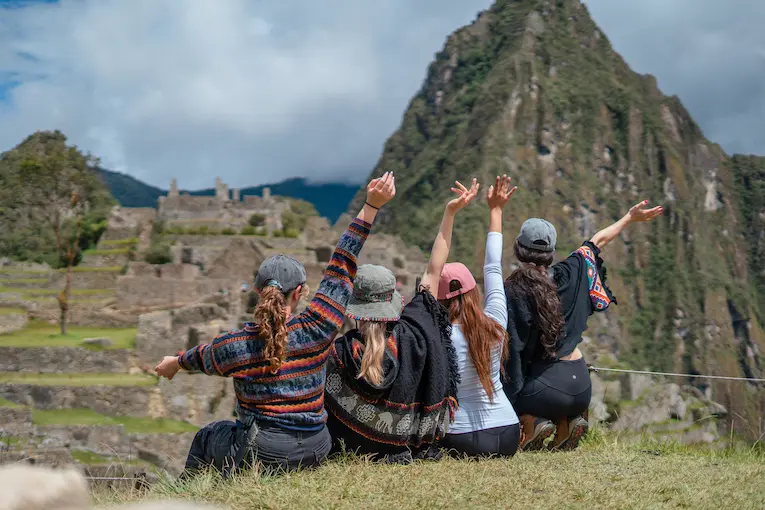
Slow travel encourages mindfulness, curiosity, and appreciation—qualities that often get lost in traditional tourism.
Final Thoughts
As travel continues to evolve, slow travel represents a return to what journeys were meant to be: meaningful, immersive, and human. In a world obsessed with speed, choosing to slow down can be the most luxurious travel decision of all. Whether for a week or several months, slow travel invites travelers to connect deeply—with places, people, and themselves.