





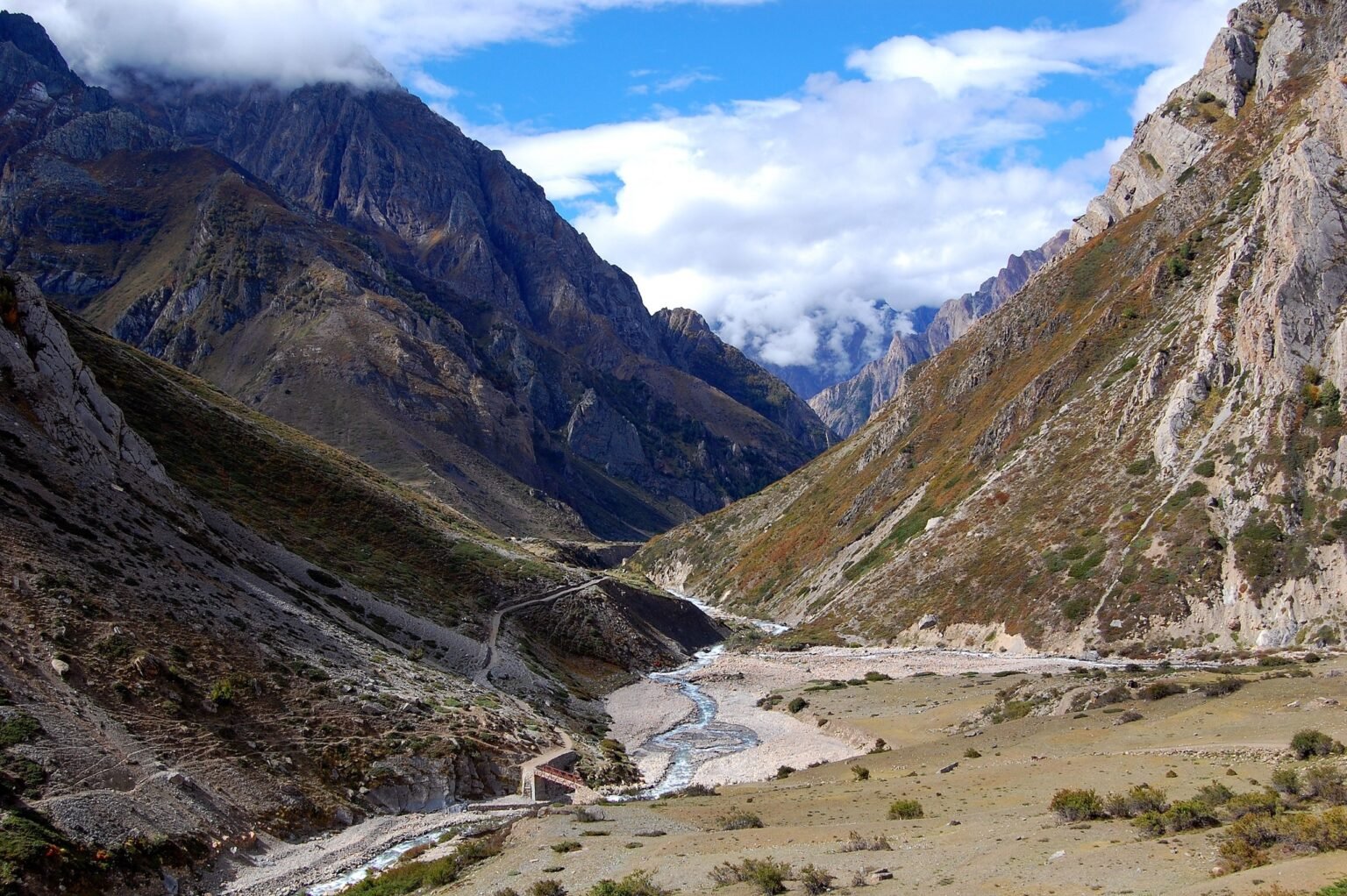

Few natural sights feel as dramatic as a river slicing through towering mountains. From high above, these waterways appear like silver ribbons cutting deep paths through ancient rock. On the ground, they roar with energy, shaping landscapes that have evolved over millions of years. These rivers are more than just scenic wonders—they are powerful forces of nature that tell stories of time, geology, and survival.
Mountain rivers begin as humble streams, often fed by melting snow, hidden springs, or seasonal rains. As water flows downhill, it gathers strength and momentum, carving narrow channels into rock surfaces. Over centuries and millennia, this constant movement erodes even the hardest stone, gradually forming deep valleys, canyons, and gorges. What begins as a thin trickle can eventually shape some of the most breathtaking landscapes on Earth.
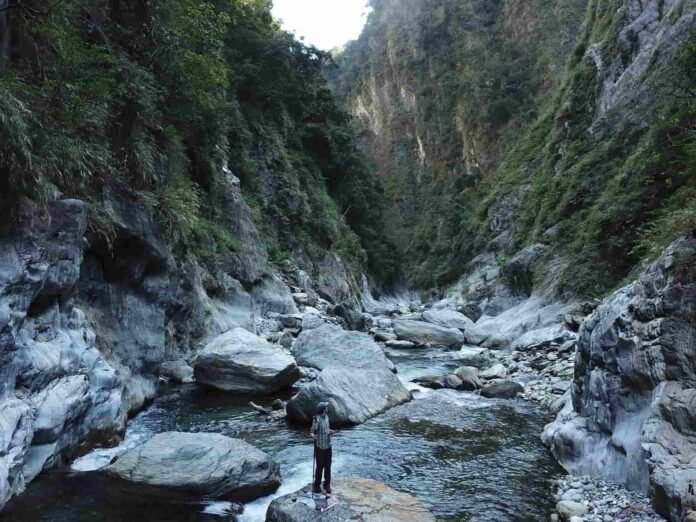
One of the most fascinating aspects of these rivers is the way they create dramatic contrasts. Steep cliffs rise on either side, while the water below twists and turns through rugged terrain. In some places, the river cuts so deeply that sunlight barely reaches the bottom of the canyon. In others, the valley widens into lush green plains where wildlife thrives and communities settle. These ever-changing environments make mountain rivers dynamic ecosystems filled with diverse plants and animals.
From a visual perspective, the colors and textures around a mountain river can be extraordinary. The water may appear crystal clear, deep blue, or muddy brown depending on the minerals and sediment it carries. Rocks along the riverbanks often display layers of history—stripes of red sandstone, dark volcanic rock, or pale limestone that reveal ancient geological processes. As seasons change, snowmelt increases water flow, creating powerful rapids and waterfalls that add movement and sound to the landscape.
These rivers also hold cultural and historical significance. Many ancient civilizations settled near mountain rivers because they provided fresh water, fertile soil, and natural transportation routes. Over time, stories, myths, and traditions grew around these powerful waterways. Some cultures view mountain rivers as sacred, symbolizing life and renewal. Others rely on them for agriculture, fishing, and daily survival, creating deep connections between people and nature.
Adventure seekers are naturally drawn to mountain rivers. Activities such as rafting, kayaking, hiking, and canyon exploration offer opportunities to experience these landscapes up close. The rush of navigating rapids or standing at the edge of a canyon overlooking a winding river creates unforgettable memories. At the same time, travelers are reminded of the raw power of nature and the importance of respecting natural forces.
However, mountain rivers are not immune to environmental challenges. Climate change, deforestation, and human development can alter water flow and disrupt fragile ecosystems. Dams and infrastructure projects may provide benefits for energy or irrigation but can also impact wildlife migration and natural river patterns. Conservation efforts aim to balance human needs with the preservation of these extraordinary landscapes, ensuring that future generations can experience their beauty.
Beyond their physical impact, mountain rivers inspire creativity and reflection. Artists, photographers, and writers often find inspiration in the contrast between solid rock and flowing water. The constant motion of a river carving through immovable mountains symbolizes resilience and change. It reminds us that even the strongest obstacles can be reshaped over time through persistence and patience.
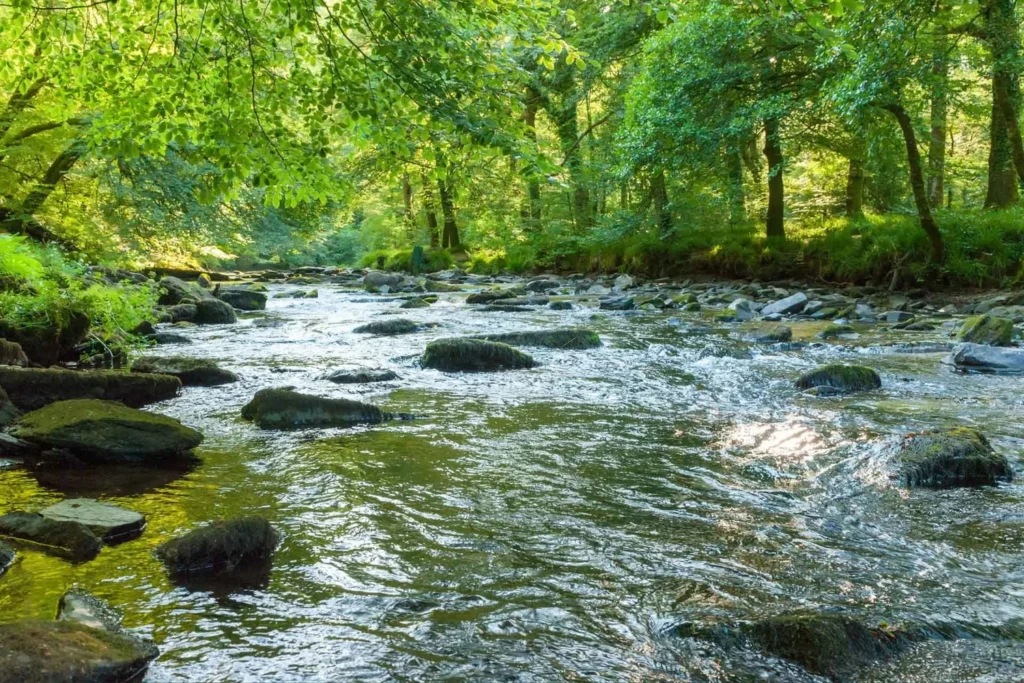
Perhaps the most powerful lesson these rivers offer is perspective. Standing at the edge of a canyon or watching water rush through narrow passages makes people feel both small and deeply connected to the natural world. The landscapes formed by mountain rivers reveal the incredible patience of nature—processes unfolding slowly yet powerfully over countless generations.
In the end, rivers that slice through mountains are more than scenic wonders; they are living stories written in stone and water. They remind us of Earth’s dynamic history, the delicate balance between nature and humanity, and the enduring beauty that emerges when powerful forces shape the land. Through their constant movement, these rivers continue to transform mountains and inspire all who witness their timeless journey.