





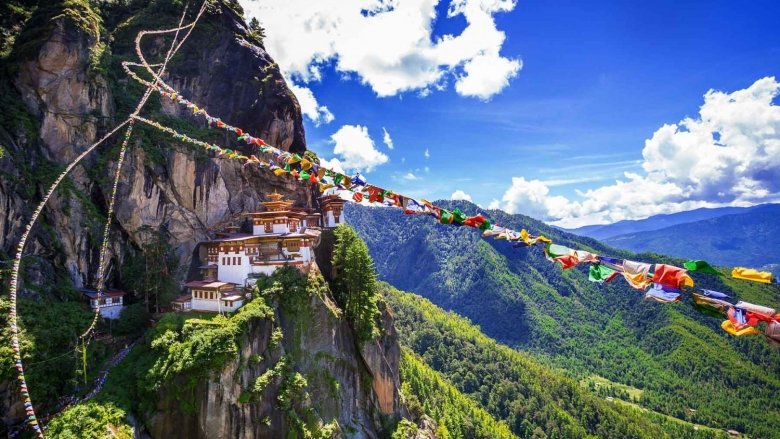

There are landscapes that impress you, and then there are landscapes that quietly rearrange something inside you. Haa Valley—one of Bhutan’s most secluded highland regions—belongs wholly to the latter. Tucked against the western edge of the country and open to tourists only recently, Haa remains a rare pocket of untouched beauty, ancient spirituality, and crisp mountain air that feels like it’s washing your thoughts clean.
My journey began on the road from Paro, a winding route that curled through pine forests and past slopes quilted with prayer flags. The higher we drove, the more the wind seemed to hum with its own secret melodies. When the valley finally opened below, it was breathtaking: a vast sweep of emerald meadows, tiny stone-and-wood homes, and steep mountains that glowed a faint, magical blue in the early morning mist.
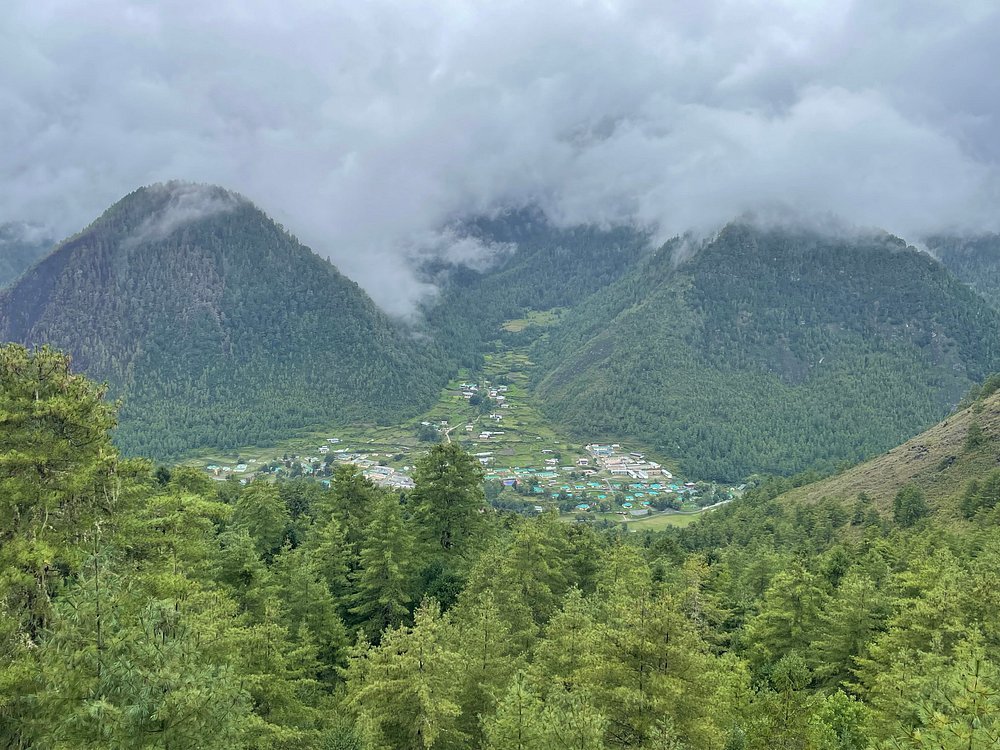
Haa is lovingly called the “Hidden Land of the Rice Goddess,” and from the moment I stepped onto its soil, I understood why. Everything here feels rooted in mythology. Locals speak of mountain deities as casually as neighbors. Colorful prayer wheels spin in doorways. Even the fields seem to breathe with ancient stories.
I began my exploration in the village of Dumchoe, where homes still carry traditional Bhutanese architecture—whitewashed walls, carved wooden windows, and mandalas painted around the entrances. A local farmer named Sonam welcomed me with a warm smile and an offer to taste suja, Bhutan’s salty yak-butter tea. The drink, thick and creamy, warmed me instantly against the crisp altitude air. “The valley teaches resilience,” Sonam said as he poured another cup. “Everything we do, we do with gratitude to the mountains.”
The next stop was one of Haa’s cultural icons: Lhakhang Karpo, the White Temple, standing serene with its golden spire catching the sun. A few steps away lies Lhakhang Nagpo, the Black Temple, mysterious and darker in tone. Legend says they were built by a Tibetan king in the 7th century, guided by a flying pigeon that determined the sites. Whether myth or fact, the temples radiate a quiet spiritual energy that settles over you like a breath. Incense curled through the air, and monks in burgundy robes chanted softly in corners where daylight touched the floor like honey.
One of the most mesmerizing experiences in Haa is hiking its high-altitude trails. I set out early one morning toward the Juneydrak Hermitage, a cliffside meditation spot tucked beneath overhanging rocks. The trail was wrapped in old pine trees, their bark cracked like ancient maps. Wildflowers—delicate blues and yellows—sprinkled the forest floor, and every so often, yak bells echoed in the distance like soft chimes. When I finally reached the hermitage, the view was surreal: mountains stacking against each other in giant watercolor layers, the valley curling beneath them like a sleeping animal.
Back in the village, I joined a family for a traditional lunch of red rice, ema datshi (Bhutan’s famous chili-cheese dish), and hearty buckwheat pancakes. Everything was simple, fresh, and carried the unmistakable comfort of home-cooked mountain food. They shared stories about Ap Chundu, the valley’s guardian deity, believed to protect travelers and farmers alike. In Haa, spirituality isn’t an occasional ritual—it’s woven into the rhythms of living.
But perhaps the most unforgettable moment came at nightfall. The valley, almost entirely free of light pollution, transforms into a celestial dome. As the last orange streaks of sunset dissolved, stars bloomed across the sky—thousands, then millions. The Milky Way unfurled like a shimmering river overhead. The air smelled faintly of pine resin and distant woodsmoke. It was the kind of night sky that makes you feel tiny in the best possible way.
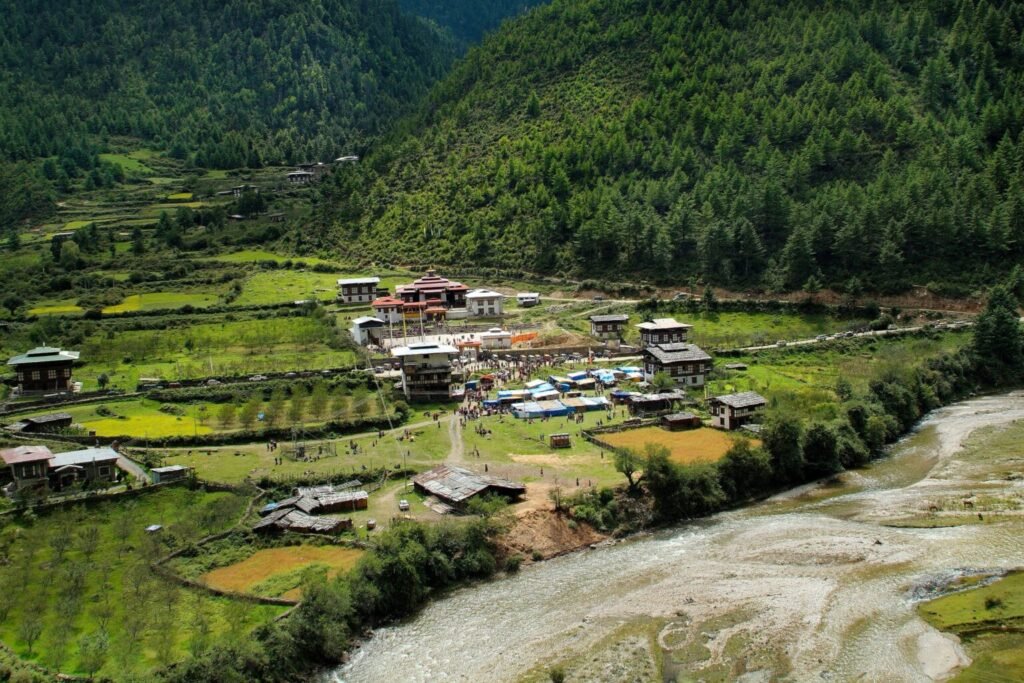
Haa Valley is not a place for flashy attractions or hurried itineraries. It’s the kind of destination that rewards slowness. A place where you sip your tea a little longer, breathe a little deeper, and walk a little more gently. Where the world feels softer, kinder, and more connected to nature than you remembered.
For travelers seeking quiet majesty, rare cultural insight, and moments that feel pure and unmanufactured, Bhutan’s Haa Valley offers an experience unlike anywhere else. It’s not just a journey—it’s a return to stillness. And in today’s fast-moving world, that might be the most precious travel gift of all.