





Few countries in the world display such dramatic geographical contrasts as Peru. From arid coastal deserts to towering Andean peaks and the vast Amazon rainforest, Peru is a land sculpted by nature’s extremes. Its geography does more than define its borders — it shapes its culture, economy, biodiversity, and identity.
Peru is traditionally divided into three natural regions: the Costa (coast), the Sierra (highlands), and the Selva (jungle). Each region tells a different geological and cultural story.
The Costa: Desert by the Sea
Stretching along the Pacific Ocean, Peru’s coastal region appears surprisingly dry. Influenced by the cold Humboldt Current, much of the coastline is desert, receiving minimal rainfall each year. Yet this seemingly harsh environment supports major cities, including the capital, Lima.
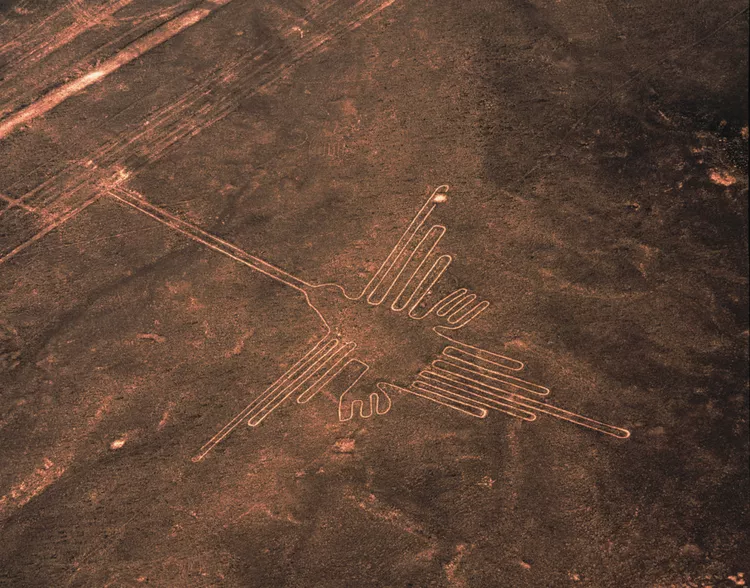
The coast is a land of dramatic cliffs, sandy dunes, and fertile river valleys that cut through the desert like lifelines. These rivers, fed by Andean snowmelt, allow agriculture to flourish in otherwise arid terrain. Crops such as cotton, asparagus, and grapes thrive here, supported by irrigation systems that date back to pre-Columbian civilizations.
Despite its dryness, the Pacific waters off Peru’s coast are among the richest fishing grounds in the world. The Humboldt Current brings nutrient-rich waters that sustain vast marine ecosystems, making fishing a crucial part of the national economy.
The Sierra: Realm of the Andes
Moving inland, the landscape rises sharply into the Sierra — the Peruvian Andes. These mountains dominate the country, running north to south and shaping climate, transportation, and settlement patterns.
The Andes are home to some of the highest peaks in the Americas, deep valleys, and high-altitude plateaus known as the Altiplano. Here, life adapts to thinner air and colder temperatures. Traditional communities cultivate hardy crops like potatoes and quinoa, both native to the region.
High in these mountains lies one of the world’s most iconic archaeological sites, Machu Picchu. Built by the Inca civilization in the 15th century, this mountaintop citadel reflects the ingenuity required to live in such rugged terrain. Terraces carved into steep slopes demonstrate how geography directly influenced engineering and agricultural innovation.
The Andes also act as a climatic barrier. Moisture from the Amazon basin rises along eastern slopes, creating lush cloud forests. Meanwhile, western slopes often remain drier. This dramatic variation over short distances contributes to Peru’s incredible biodiversity.
The Selva: Gateway to the Amazon
East of the Andes, the land descends into the Selva — Peru’s share of the Amazon rainforest. This region covers nearly 60% of the country’s territory, yet remains sparsely populated compared to the coast and highlands.
The Peruvian Amazon is a world of dense forests, winding rivers, and extraordinary wildlife. The mighty Amazon River begins its journey in the Peruvian Andes before flowing eastward across the continent. The rainforest plays a vital role in global climate regulation and is one of the most biodiverse places on Earth.
Cities like Iquitos, accessible primarily by river or air, highlight the remoteness of this region. Life here revolves around waterways, which function as highways through thick jungle.
A Country of Natural Diversity
Peru’s geography creates microclimates that support thousands of plant and animal species. In a single day, one could travel from sea level to high-altitude peaks and then descend into tropical rainforest. Few nations offer such dramatic shifts in landscape over relatively short distances.
This diversity influences cuisine, architecture, clothing, and even language. Coastal ceviche reflects marine abundance, while Andean dishes rely on potatoes and grains suited to high elevations. Traditional clothing in the Sierra incorporates thick alpaca wool to withstand cold mountain air.
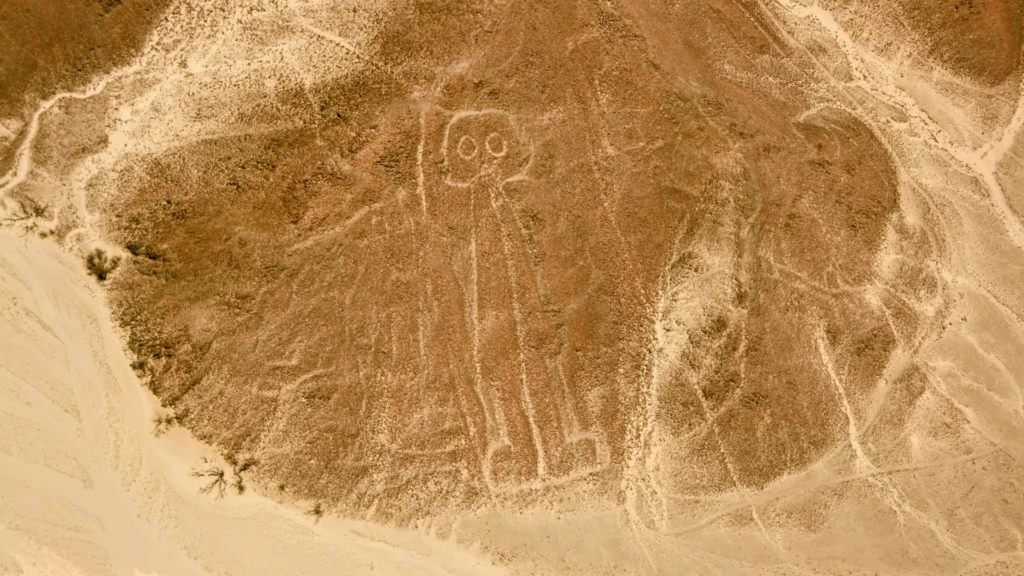
Yet Peru’s geography also presents challenges. Earthquakes occur along the Pacific Ring of Fire. Landslides can threaten Andean communities. Deforestation pressures the Amazon. The same natural forces that create beauty also demand resilience.
Ultimately, Peru is a country shaped — and continually reshaped — by nature. Its deserts, mountains, and rainforests are not isolated features but interconnected systems that influence how people live, farm, build, and dream. Geography is not simply a backdrop here; it is the foundation of Peru’s past, present, and future.
In Peru, the earth does not whisper its story — it declares it boldly through towering peaks, endless rivers, and windswept coasts.