





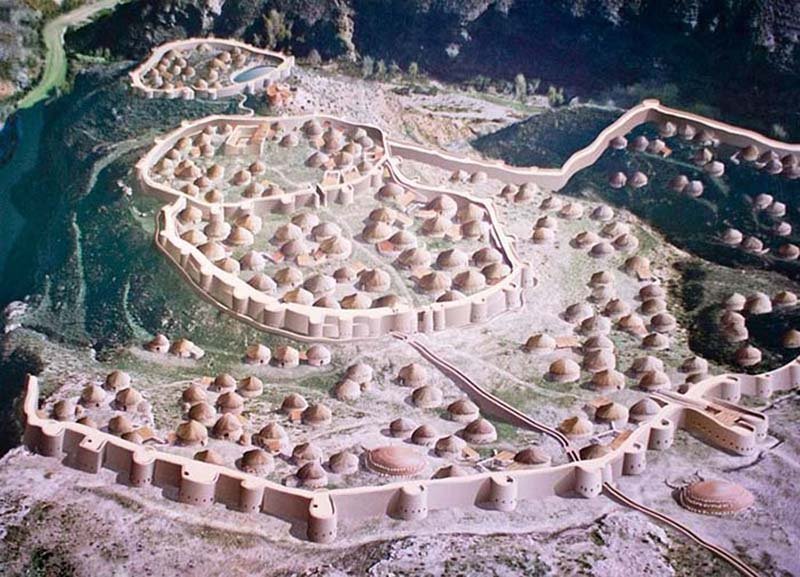

At first glance, a fortress built from nothing but earth may seem fragile compared to towering stone castles or steel-reinforced walls. Yet throughout history, civilizations across continents have relied on earth as one of the strongest and most enduring building materials. These earthen fortresses, shaped from soil, clay, sand, and straw, have withstood centuries of conflict, weather, and time — proving that strength does not always come from stone.
The Ancient Art of Earth Building
Long before modern construction techniques, communities mastered the art of shaping the land itself into defensive strongholds. Methods such as rammed earth, adobe bricks, and packed soil embankments allowed builders to create thick, durable walls using materials found directly beneath their feet.
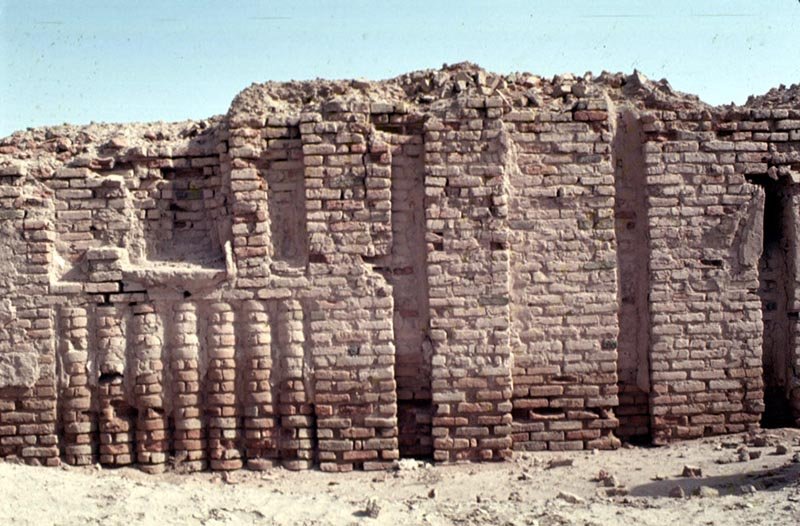
In regions where stone was scarce, earth became the natural choice. Builders compacted layers of soil tightly between wooden frames, forming walls that could be several meters thick. Once dried under the sun, these walls hardened into structures capable of resisting both invasion and harsh climates.
The result was architecture that blended seamlessly into its surroundings, appearing almost as if it had grown from the landscape itself.
A Living Example of Earthen Strength
One of the most remarkable examples of earth-based fortification is the Arg-e Bam. This massive citadel, constructed primarily from adobe and rammed earth, once stood as one of the largest earthen structures in the world. Though damaged by an earthquake in 2003, its surviving sections continue to demonstrate how resilient earth construction can be.
Similarly, parts of the Great Wall of China were built using rammed earth techniques, especially in arid regions. Over centuries, these earthen sections endured wind erosion and shifting sands, showcasing the durability of compacted soil.
These examples challenge the assumption that earth is weak. When engineered carefully, soil can form barriers as formidable as stone.
Natural Insulation and Climate Control
Beyond defense, earthen fortresses offered practical advantages. Thick soil walls act as natural insulators. In hot climates, they absorb heat during the day and release it slowly at night, keeping interiors cooler. In colder regions, they retain warmth, reducing temperature fluctuations.
This natural temperature regulation made such fortresses comfortable shelters for both soldiers and residents. Unlike stone, which can become extremely cold or hot, earth provides a more balanced indoor environment.
Additionally, because the materials were local, construction was more sustainable and cost-effective. Communities did not need to transport heavy stone across long distances. The fortress was shaped from the very land it protected.
Blending Defense with Landscape
An earthen fortress often appears less imposing from afar than a stone castle. Its colors mirror the surrounding terrain — sandy browns, deep reds, or muted ochres. This camouflage provided a strategic advantage, allowing fortifications to blend into deserts, plains, or hillsides.
Moats and embankments were often sculpted directly from excavated soil, forming defensive rings around the structure. Over time, vegetation might grow along the walls, further integrating the fortress into the environment.
Rather than standing apart from nature, an earth-built fortress feels like an extension of it.
Challenges and Preservation
Despite their strength, earthen fortresses are vulnerable to water damage and erosion. Heavy rainfall can weaken walls if not properly maintained. For this reason, many ancient earth structures required regular upkeep, including replastering and reinforcement.
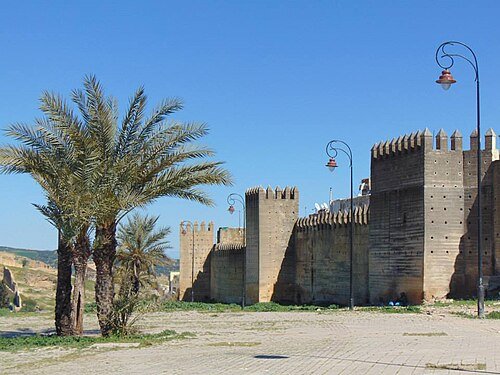
Today, preservation efforts focus on protecting these historical sites from both environmental threats and human impact. Modern conservation techniques aim to stabilize walls while preserving their original materials and character.
As sustainable architecture gains renewed interest worldwide, rammed earth and adobe construction are experiencing a revival. Architects are rediscovering what ancient builders already understood — that earth can be both strong and environmentally responsible.
A Symbol of Resourcefulness
A fortress built from nothing but earth represents ingenuity and resilience. It shows how civilizations adapted to their environments, transforming ordinary soil into protective strongholds. These structures remind us that innovation does not always require rare or expensive materials.
In a world increasingly focused on sustainability, earthen architecture offers valuable lessons. It teaches that strength can be found in simplicity, and that harmony with the natural landscape can produce structures that endure for generations.
The next time you imagine a fortress, picture not only towering stone walls but also the quiet power of compacted soil — shaped by human hands, strengthened by time, and rooted firmly in the earth itself.