





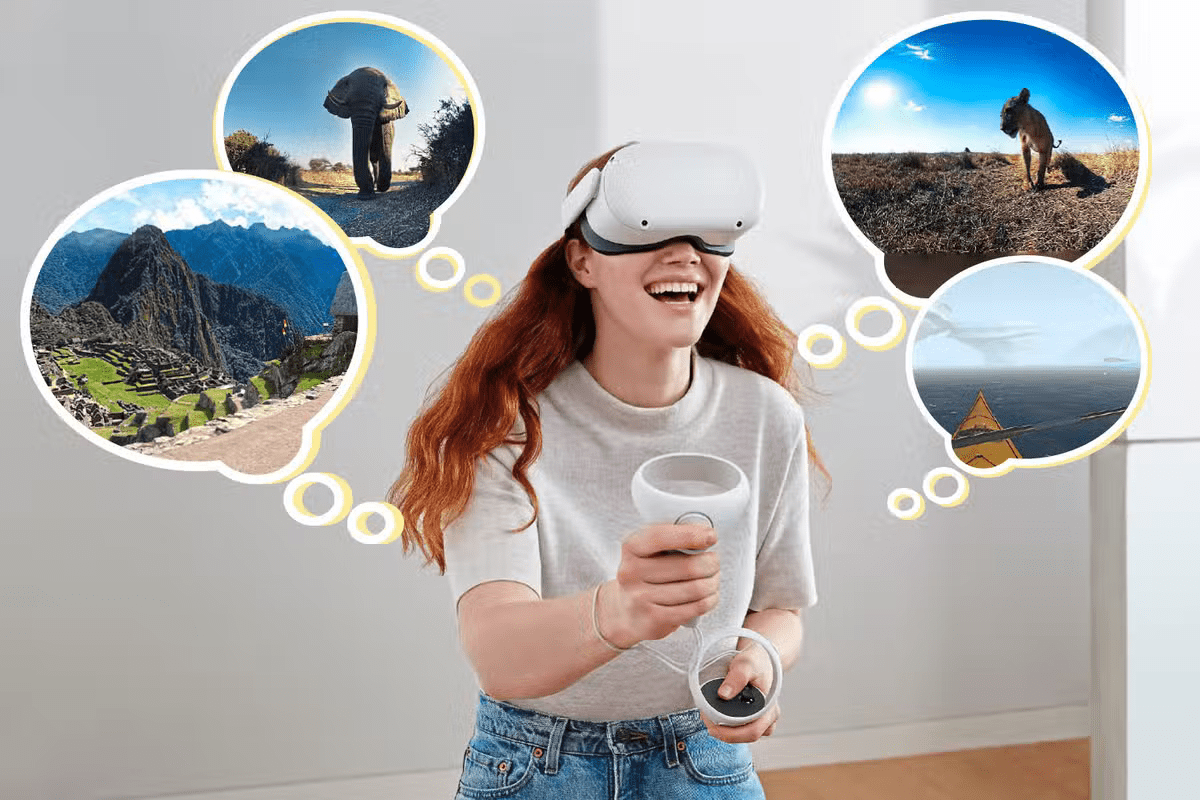

Imagine exploring the Great Wall of China from your living room, diving into the Great Barrier Reef without getting wet, or wandering the streets of Paris while wearing a headset. What once sounded like science fiction is now becoming reality. Virtual Reality (VR) tourism is redefining how we experience the world—and some wonder if technology could one day replace the need for physical travel altogether.
As VR devices become more accessible and realistic, this new form of exploration is gaining momentum. But can digital destinations ever match the thrill of real-world adventures?
The Rise of Virtual Tourism
Virtual tourism began as a novelty, offering short 360-degree videos of famous landmarks. Today, it’s a sophisticated industry powered by immersive VR headsets, haptic feedback, and AI-enhanced visuals. Platforms like Google Earth VR, Wander, and National Geographic Explore VR let users travel across continents, explore museums, and even join interactive guided tours—all without leaving home.
During the pandemic, VR travel surged as a way to “escape” lockdowns and satisfy wanderlust. Now, as global travel resumes, many see VR as a complement rather than a competitor to traditional tourism. It allows users to preview destinations before visiting or revisit places they’ve already explored.
How Virtual Reality Is Transforming Tourism
The travel industry is rapidly integrating VR technology to enhance customer experience:
- Virtual Destination Previews – Tourists can explore hotels, resorts, and attractions virtually before booking, giving them confidence in their choices.
- Immersive Marketing – Travel companies use VR to showcase destinations in full 360°, inspiring travelers far more effectively than brochures or videos.
- Accessible Tourism – People with physical disabilities or limited budgets can “visit” places previously out of reach.
- Educational Exploration – Schools and universities are using VR for virtual field trips, helping students learn about world cultures, history, and geography.
In essence, VR is making global experiences available to everyone, regardless of location or means.
The Emotional Gap: What VR Still Can’t Replicate
Despite its power, VR still struggles to match the sensory richness of real-world travel. You can see the Eiffel Tower in perfect 3D, but you can’t feel the breeze on your skin or taste the freshly baked croissants nearby.
Travel is about more than visuals—it’s about people, smells, sounds, and serendipity. A VR headset can’t reproduce spontaneous moments like chatting with locals, discovering hidden cafés, or watching a sunset that feels uniquely your own.
In short, VR can imitate experiences, but it cannot fully evoke emotions the way physical travel does.
Can VR Replace Real-World Passports and Simplify Travel?
While VR won’t make passports obsolete anytime soon, it’s reshaping how we prepare for and navigate travel. Virtual simulations could one day help with pre-departure orientations, airport walkthroughs, or even immigration processes.
For instance:
- Virtual airport check-ins could guide travelers through security procedures.
- Embassies and consulates might use VR interviews for visa applications.
- Digital twins of cities could allow users to explore routes and landmarks before visiting physically.
In the far future, if the metaverse continues to evolve, VR-based identity systems could link digital and real-world travel records—essentially becoming “virtual passports.” These wouldn’t replace physical ones but could simplify digital verification for flights, bookings, and border processes.
The Sustainability Advantage
One of VR tourism’s greatest benefits is sustainability. Real-world tourism contributes significantly to carbon emissions through flights, cruises, and infrastructure. Virtual travel, on the other hand, requires minimal physical resources.
As climate awareness grows, VR provides a greener alternative for those who want to explore responsibly. Even if it doesn’t replace real travel, it can reduce unnecessary trips and promote eco-conscious exploration.
The Future: Hybrid Travel Experiences
The most likely future isn’t a choice between real and virtual—it’s a blend of both. Travelers might use VR to preview a trip, plan their itinerary, or experience inaccessible locations. Once on-site, augmented reality (AR) could enhance their journey with digital overlays, translations, or historical reconstructions.
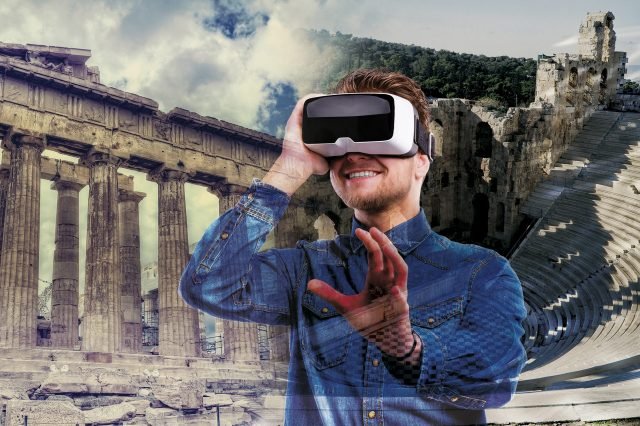
Airlines, hotels, and tourism boards are already investing in this hybrid model, blending the convenience of tech with the magic of physical travel.
Final Thoughts
Virtual reality tourism is not here to replace real-world adventures—it’s here to enhance them. While no headset can mimic the warmth of a local smile or the scent of ocean air, VR offers something extraordinary: access, education, and inspiration.
In the years ahead, as VR technology becomes more immersive and widespread, travelers may begin their journeys digitally before ever boarding a plane. The future of tourism isn’t about choosing between technology and travel—it’s about using both to explore the world more deeply than ever before.