





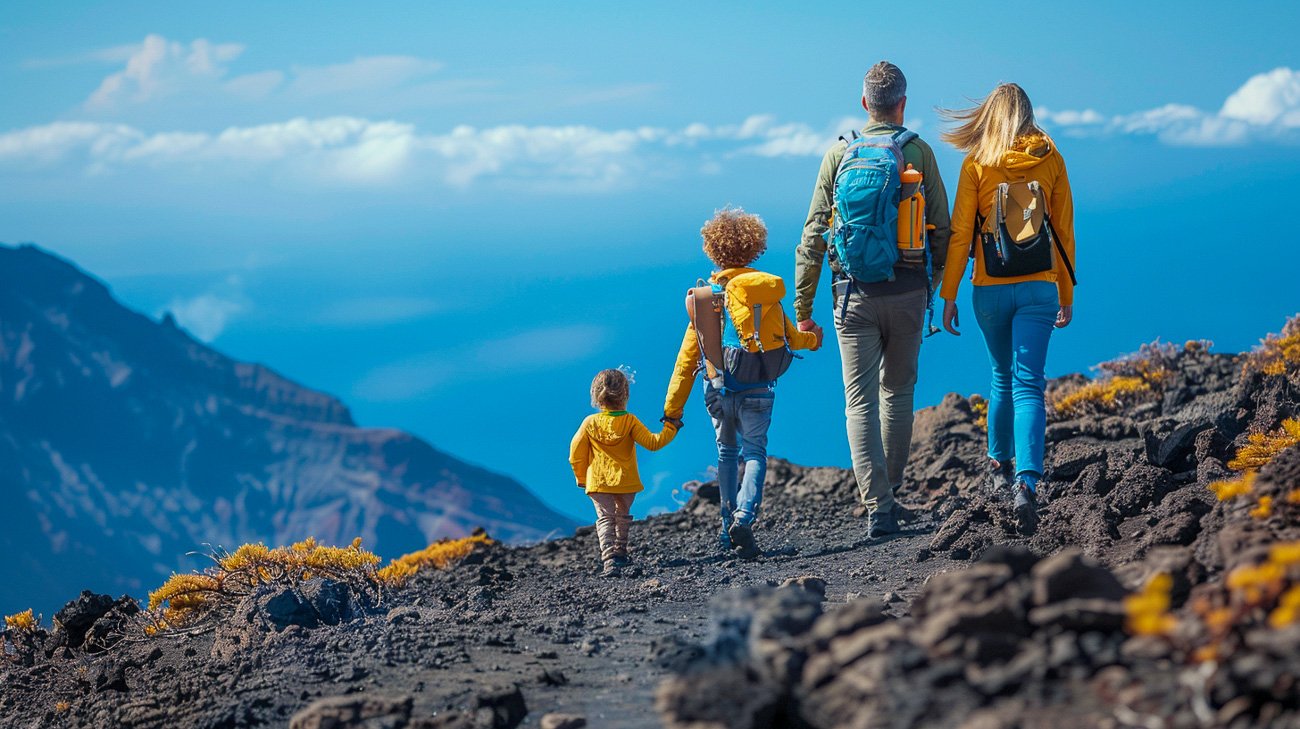

Not all islands shout for attention. Some simply glow—softly, steadily, like embers under the surface. La Palma, one of Spain’s lesser-known Canary Islands, is exactly that kind of place. With its velvet-black beaches, prehistoric forests, and volcanic ridgelines that stretch like the spine of the earth, La Palma offers a journey into landscapes shaped by fire and softened by time. It’s a sanctuary for those who crave nature not as a spectacle, but as an experience.
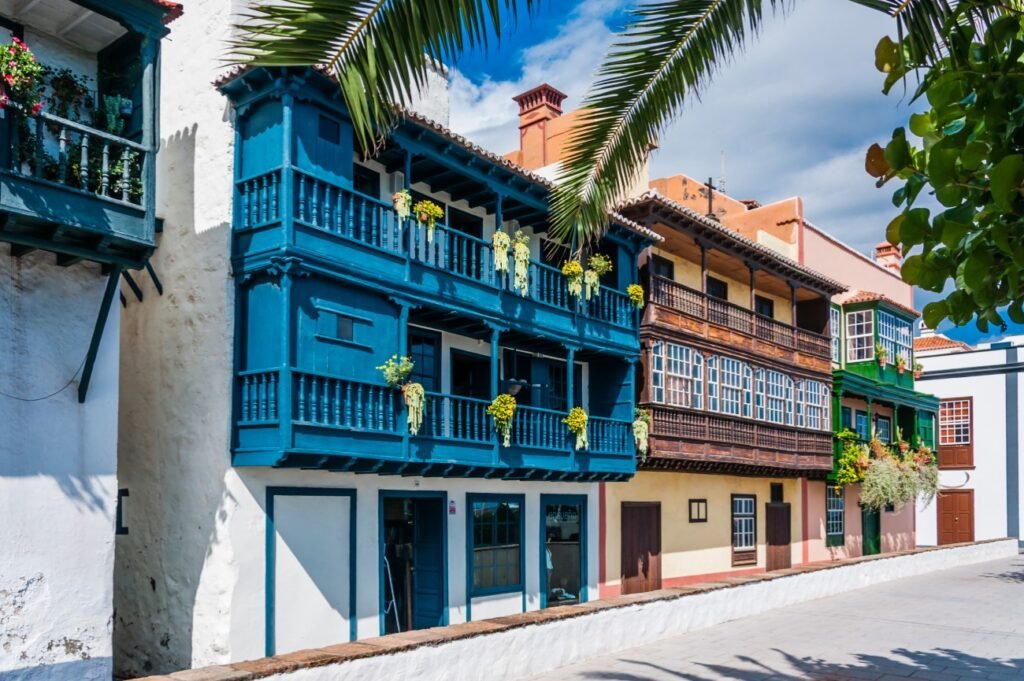
I arrived in Santa Cruz de La Palma, a harbor town that blends Caribbean charm with European elegance. Wooden balconies draped in flowers hung over cobbled streets, and pastel buildings reflected the morning light in warm shades of amber and coral. Unlike many island capitals, Santa Cruz feels neither hurried nor crowded. Locals greeted one another with easy familiarity, and cafés overflowed with the smell of strong coffee and freshly baked pastries. I wandered down to the waterfront, where the Atlantic waves lapped gently at a beach of black volcanic sand. It felt both strange and calming—an unfamiliar yet comforting embrace.
But La Palma reveals its magic gradually. I rented a car and drove upward through winding mountain roads toward the island’s lush heart. Within minutes, palm trees gave way to dense, ancient forests. The air cooled, the sunlight filtered through layers of green, and the soundscape shifted from ocean waves to birdsong and rustling leaves. This island is often called La Isla Bonita, and as I entered the Los Tilos Biosphere Reserve, I understood why. The laurel forest—humid, fragrant, and thick with ferns—felt like stepping into a primeval world untouched by modernity.
I hiked along the Nacientes de Marcos y Cordero trail, where tunnels carved into the cliffs guide trekkers alongside waterfalls that seem to appear from nowhere. Mist clung to my skin, and every bend in the trail revealed a new cascade of emerald light. It was one of the most immersive moments of my journey, a reminder that beauty often lies in the quiet meeting between land and water.
Later, I climbed higher into the mountains until I reached the crater rim of Caldera de Taburiente National Park. Standing there felt like looking into the earth’s soul. The caldera stretched out like a colossal bowl—lush pine forests below, jagged cliffs rising around me, and the sky so close it felt like a ceiling about to lift. I took a deep breath and let the silence settle. It was the kind of silence that doesn’t demand anything, that invites you simply to be.
But La Palma’s volcanic spirit is not confined to ancient geological history. Its newest chapter was written recently, when the Cumbre Vieja eruption reshaped parts of the island. I visited the new lava fields—a landscape still so young it felt almost shy. The ground was a mosaic of black textures: twisted ribbons of basalt, smooth swells of cooled magma, and sharp fragments that glittered under the sun like obsidian. Life was already returning—small ferns pushing through cracks, birds perching on rocks, signs of renewal etched into the land’s darkest pages.
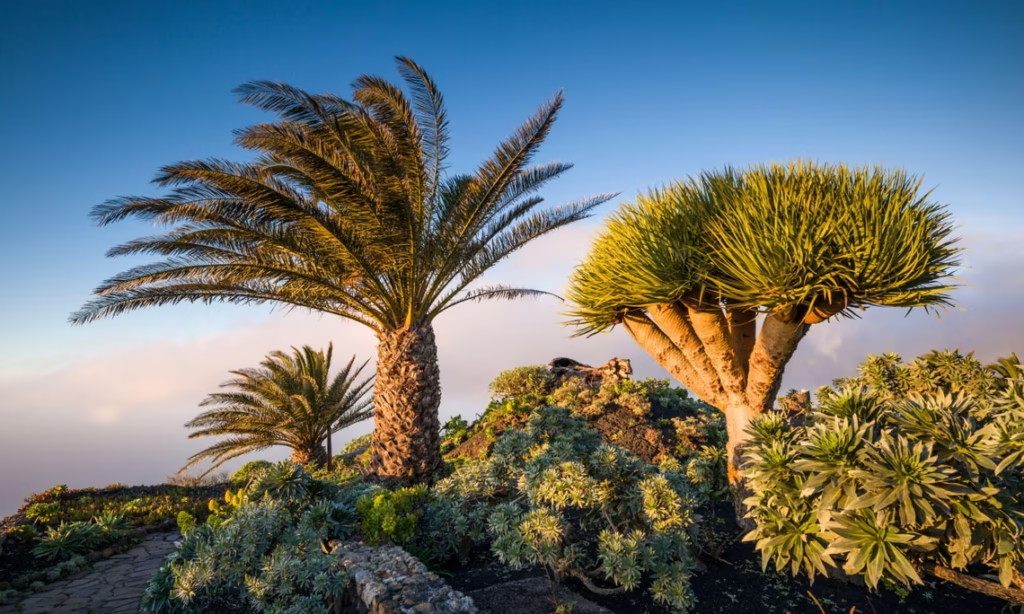
As evening approached, I made my way to the island’s astronomical heart: Roque de los Muchachos, home to one of the world’s most important observatories. At over 2,400 meters, this is a place where clouds form an ocean below the peaks, creating a surreal sea of white that resembles a soft, endless blanket. When the sun set, the sky erupted into color—deep gold near the horizon, fading into indigo and finally charcoal. And when the stars emerged, they did so with a clarity I’ve never witnessed. Constellations sparkled with almost exaggerated brightness. The Milky Way stretched across the sky like a painted river of light.
La Palma is not a destination that overwhelms. It whispers. It invites. It heals. With every trail, every view, every crash of Atlantic waves on black sand, it reminds you that nature is both powerful and gentle—capable of destruction, but also of endless renewal.
When I left the island, I carried with me not just memories, but a softness, a quieter pulse, and a renewed sense of wonder.