






Some cities charm you instantly; others win you over slowly, with small details, warm glances, and quiet moments along the water. Porto does both. It dazzles at first sight but saves its deepest beauty for the traveler willing to wander, linger, and listen. In 2025, this Portuguese riverside city stands as one of Europe’s most soulful destinations—romantic without cliché, historic without heaviness, and effortlessly vibrant.
Arrival: A City Painted in Sunlight
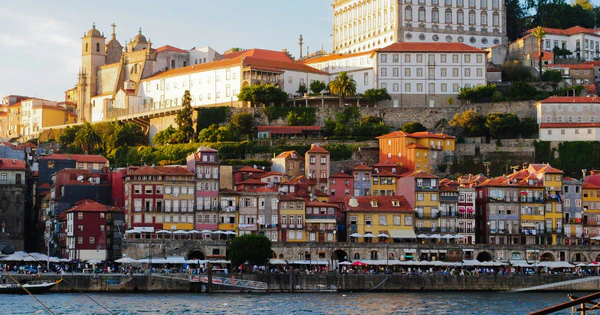
The descent into Porto offers a preview of what’s coming: terracotta rooftops stacked like mismatched puzzle pieces, sparkling river curves, and the famous Dom Luís I Bridge arching gracefully across the Douro. As soon as you step out of the airport and into the city, the air feels different—salty, warm, and faintly sweet with the aroma of baked pastries.
I checked into a tiny guesthouse tucked into a narrow lane near Ribeira. The owner, Dona Helena, welcomed me with a pastel de nata so fresh it still crackled when I bit into it. “Porto is best explored with your stomach,” she said with a wink. She was right.
Ribeira: Where Stories Live in the Tiles
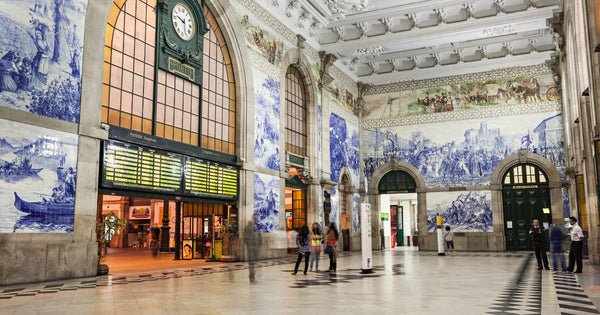
Ribeira is the beating heart of Porto—a riverside promenade where history, noise, and color collide beautifully. On my first morning, the district was waking up slowly. Fishermen arranged their nets, old men played cards outside cafés, and the sunlight struck the azulejo tiles on nearby buildings, turning them into mosaics of sapphire and white.
Walking here feels like moving through a living painting. The houses lean into each other like gossiping neighbors. The river glides by lazily, carrying reflections of boats and bridges. Every corner feels cinematic.
I crossed the Dom Luís I Bridge on foot, its upper deck offering panoramic views of the city’s red roofs cascading toward the Douro. Street musicians played soft Fado melodies, their voices drifting over the water like memories.
Vila Nova de Gaia: A Toast to Tradition
Across the bridge lies Vila Nova de Gaia, home to the world-famous port wine cellars. The winding streets smell of oak, sweetness, and history. I toured one of the oldest wine lodges, walking through cool, dim cellars where massive barrels glowed amber under soft lights. The guide explained how port has shaped the identity of the region—its economy, its culture, and even its architecture.
The tasting afterward was a revelation. Ruby, tawny, white, vintage—each glass held a different layer of Porto’s character. Smooth, bold, warm, surprising. Much like the city itself.
Outside, I took the cable car down to the riverside, where sunset lit the city in gold. Boats bobbed gently in the water, and conversations floated through the air like soft music.
The Maze of Miragaia and Massarelos
West of the center lies a quieter slice of Porto—Miragaia and Massarelos—a tangle of narrow streets filled with laundry lines, flower pots, and families chatting from balconies. This is everyday Porto, humble and heartwarming.
I wandered without a map, following the smell of grilled sardines and the distant chiming of church bells. The neighborhood cats watched me with curiosity. Small shops sold hand-painted tiles, cork crafts, and embroidered linens. A grandmother at a tiny café insisted I try her homemade caldo verde soup. It tasted like comfort in a bowl.
These small interactions made the city feel like a community rather than a destination.
Foz do Douro: Where the River Meets the Sea
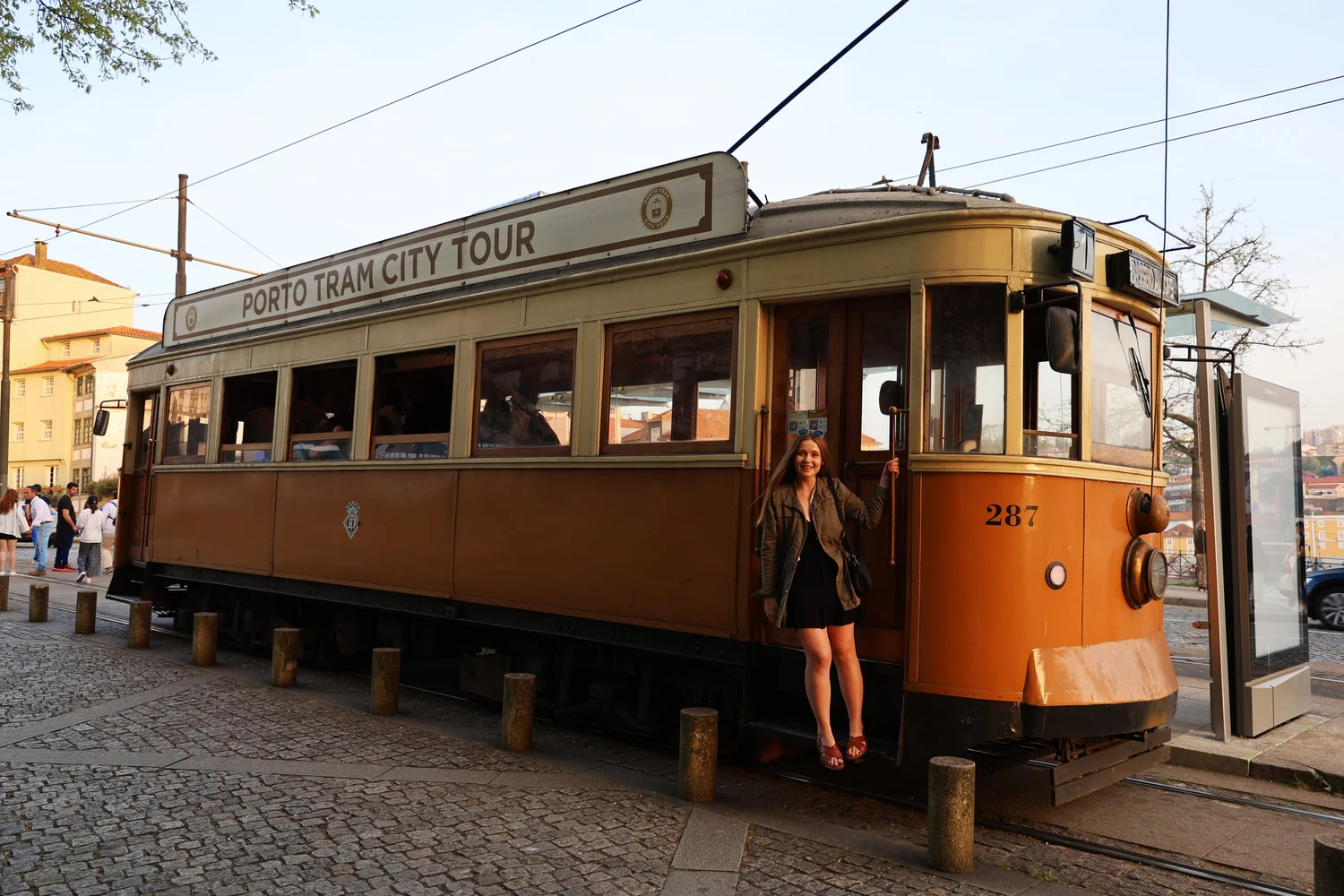
On my final day, I took the historic tram to Foz do Douro, the district where the river finally meets the Atlantic. It’s a place of gentle drama—the powerful ocean crashing against lighthouses, the sky stretching wide into infinity, the salty air washing over everything.
I walked along the seaside promenade, stopping to collect smooth stones and listen to the rhythm of the waves. Locals jogged by, children played in the sand, and cafés filled with people sipping espresso while watching the horizon shift colors.
At sunset, the sky burst into peach, lavender, and deep blue. It felt like a curtain closing on the perfect final act.
Why Porto Shines in 2025
Porto is a mosaic—of flavors, stories, textures, and views. It’s a city that welcomes you with sweetness and leaves you with warmth. It doesn’t overwhelm; it envelopes. It doesn’t rush; it invites.
In 2025, Porto is more than a destination. It’s a mood. A melody. A gentle reminder that beauty often lives in the small details: a smile from a shopkeeper, a tile catching the light, a sip of wine shared among strangers.