






The Seven Wonders of the World represent the pinnacle of human creativity, engineering, and cultural achievement. Each of these landmarks draws millions of visitors every year, but beyond their breathtaking beauty, they also hold fascinating secrets that reveal the ingenuity and mysteries of ancient and modern civilizations. Let’s uncover the hidden stories and secrets behind these iconic wonders.
1. The Great Wall of China – A Fortress with Unusual Ingredients
Stretching more than 21,000 kilometers, the Great Wall is the longest man-made structure in the world. Built to defend ancient Chinese states from invasions, it remains one of history’s most ambitious engineering feats.
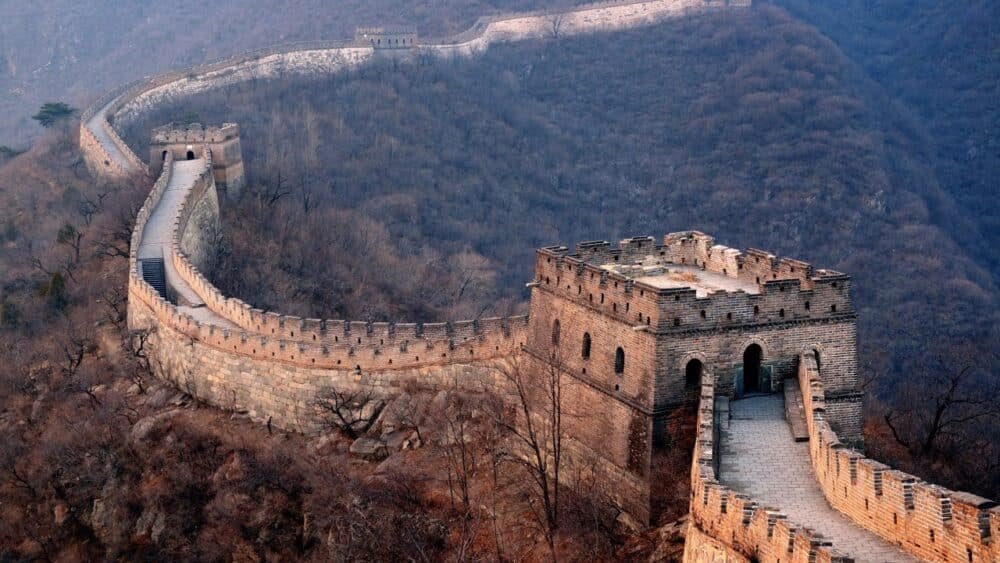
Secret: While stone and bricks formed much of the wall, ancient builders also used a surprising ingredient in the mortar—sticky rice soup. The organic compound in rice made the structure stronger and more resistant to earthquakes, which is why sections of the wall still stand after centuries.
2. Petra, Jordan – The Rose-Red City’s Water Magic
Carved directly into pink sandstone cliffs, Petra was once the thriving capital of the Nabataean kingdom. Known as the “Rose City,” it’s famous for its grand facades and temples.
Secret: Beyond its beauty, Petra’s success lay in its ingenious water system. Engineers built dams, canals, and cisterns to collect scarce desert rain, ensuring the city prospered in one of the driest places on Earth. Many of these ancient channels still work today.
3. The Colosseum, Rome – More Than Just an Arena
The Colosseum, built in 80 AD, symbolized the grandeur of the Roman Empire. It hosted gladiator battles, dramas, and even mock naval battles. With seating for over 50,000 spectators, it was the heart of Roman entertainment.
Secret: Beneath the arena floor lies the hypogeum, a network of underground tunnels and chambers. Here, gladiators and animals waited before being hoisted onto the stage through trap doors and elevators. This hidden machinery created dramatic spectacles, proving the Romans were masters of stagecraft.
4. Chichen Itza, Mexico – The Pyramid of Light and Shadow
Chichen Itza was a major Mayan city, and its crown jewel is the pyramid known as El Castillo or the Temple of Kukulcán. Its design reflects the Mayan mastery of astronomy and mathematics.
Secret: During the spring and autumn equinox, the setting sun casts a shadow on the pyramid’s steps that looks like a serpent slithering down. This phenomenon represents the feathered serpent god Kukulcán and shows how the Mayans aligned their architecture with celestial events.
5. Machu Picchu, Peru – The Earthquake-Proof Citadel
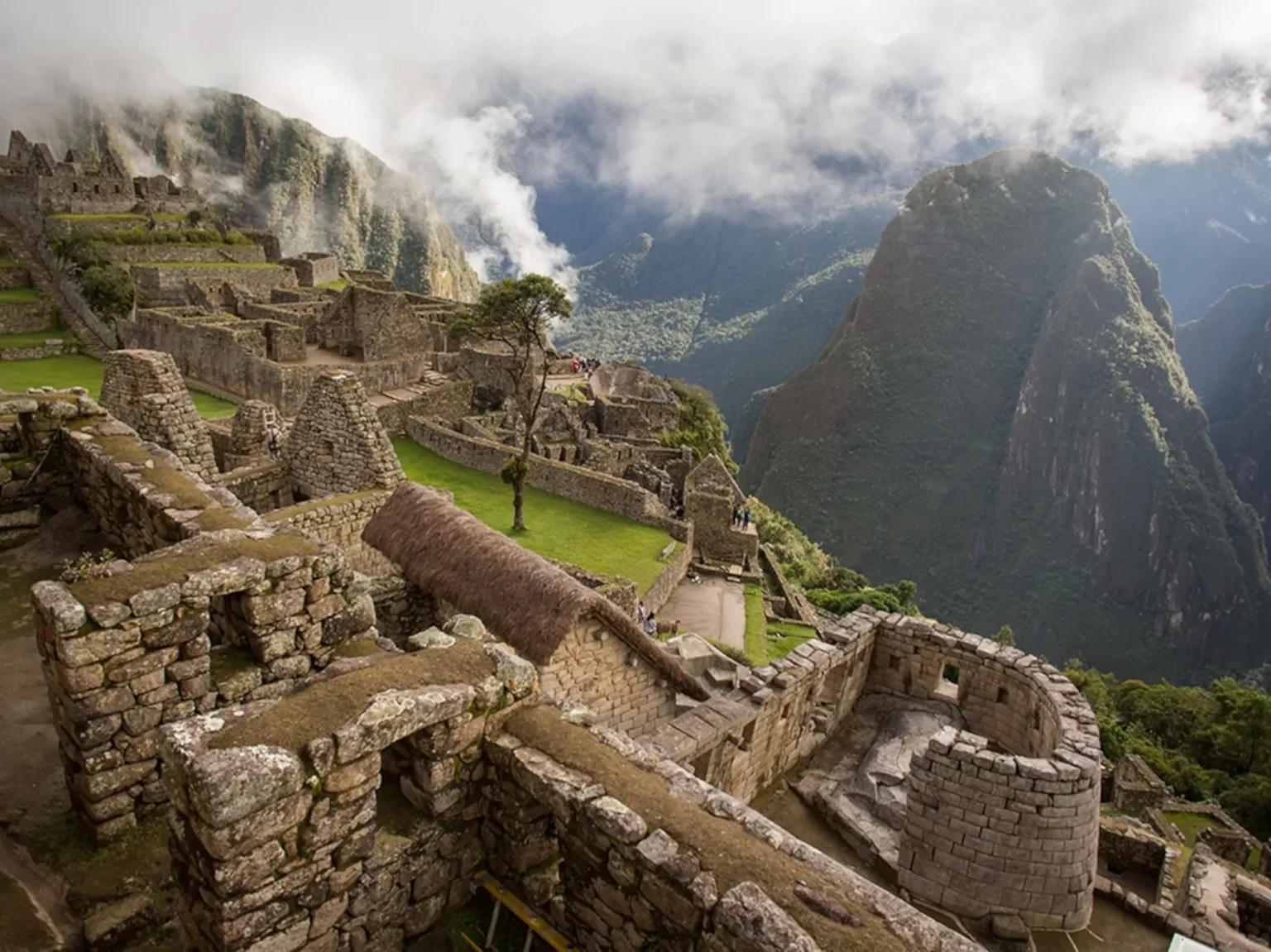
Hidden high in the Andes, Machu Picchu is often called the “Lost City of the Incas.” Its terraces, temples, and breathtaking location have made it one of the most famous archaeological sites in the world.
Secret: The Incas used a building technique called ashlar masonry, where stones were cut so precisely that they fit together without mortar. This allowed the structures to withstand earthquakes in the seismically active Andes. Additionally, the terraces were designed with advanced drainage systems, preventing landslides.
6. Christ the Redeemer, Brazil – Built to Withstand Storms
Towering 98 feet above Rio de Janeiro, Christ the Redeemer is one of the most recognizable modern wonders. Completed in 1931, it has become a global symbol of peace and faith.
Secret: The statue is struck by lightning several times a year due to its height and location. To withstand the tropical storms, it was built using soapstone tiles—a material both durable and resistant to heat and water. Even when parts of the statue are damaged by lightning, repairs are made using the same stone from the original quarry to maintain uniformity.
7. The Taj Mahal, India – A Monument with Optical Illusions
Built by Mughal Emperor Shah Jahan in memory of his wife Mumtaz Mahal, the Taj Mahal is one of the greatest expressions of love and artistry in the world. Made of dazzling white marble, it continues to captivate visitors centuries later.
Secret: The Taj Mahal hides several architectural tricks. The four minarets are tilted slightly outward so that, in case of an earthquake, they would fall away from the central tomb. Another secret lies in its colors—the marble appears pinkish at dawn, gleaming white at noon, and golden in the moonlight, symbolizing the changing moods of love.
Final Thoughts
The Seven Wonders of the World are not just spectacular monuments; they are treasure chests of secrets that reflect human genius, artistry, and innovation. From sticky rice mortar on the Great Wall to the serpent shadows of Chichen Itza, each wonder reminds us that history is filled with fascinating details waiting to be discovered.
By looking beyond their beauty, we uncover the remarkable stories that make these wonders timeless and truly unforgettable.