





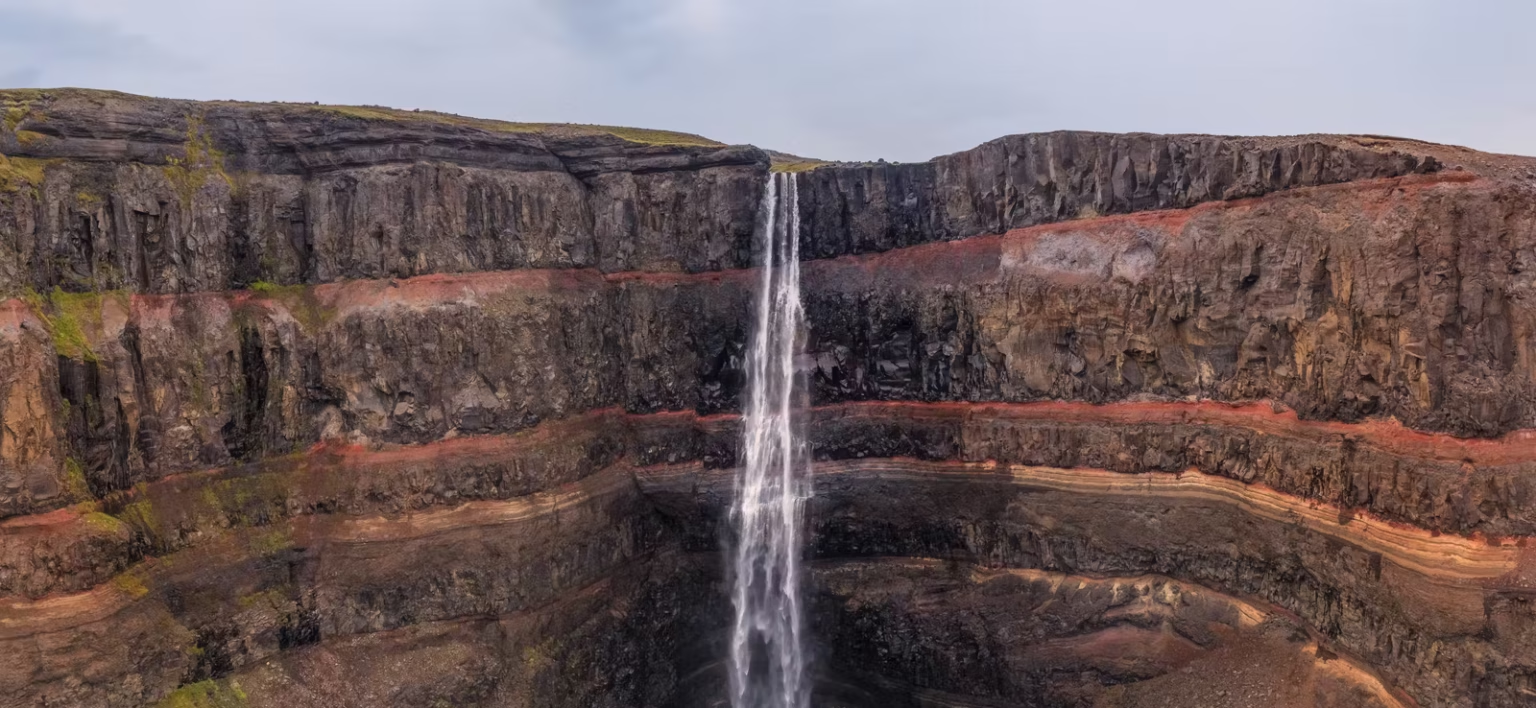

In the rugged wilderness of East Iceland, tucked between rolling highlands and a tranquil lake, lies Hengifoss, one of the country’s most mesmerizing natural wonders. Known as the “layered waterfall” for the striking red and black bands that line the cliffs behind it, Hengifoss is not just a waterfall—it’s a vivid geological storybook written in stone and water. Standing at 128 meters (420 feet) tall, it is Iceland’s third-highest waterfall, but its beauty lies not only in its height, but in the incredible natural artistry carved into the surrounding landscape.
A Dramatic Landscape Shaped by Time
Hengifoss is located near the town of Egilsstaðir, overlooking Lagarfljót Lake, a serene body of water often shrouded in mist and legends. The waterfall cascades down a steep cliff face where layers of ancient volcanic basalt are interspersed with thin red strata of clay and iron oxide. These colored layers, formed millions of years ago through successive volcanic eruptions, give Hengifoss its distinctive striped appearance—a geological timeline that reveals Iceland’s fiery past.
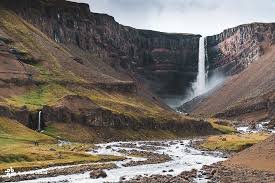
Each layer tells a story of an eruption, a cooling period, and then another outpouring of lava. Over time, erosion from glacial melt and river flow sculpted this dramatic gorge, turning the vertical walls into a natural canvas of textures and colors. The result is one of the most photogenic waterfalls in the country—a place where geology, water, and light create an ever-changing masterpiece.
The Hike to Hengifoss
Reaching Hengifoss is part of the adventure. The hiking trail begins near the parking area along the Hengifossá River, and the journey to the base of the waterfall takes about 45 to 60 minutes depending on pace. The 2.5-kilometer trail ascends steadily through open countryside, offering panoramic views of the valley and glimpses of smaller cascades along the way.
One of the most beautiful stops along the path is Litlanesfoss, a smaller but stunning waterfall framed by towering basalt columns that resemble the pipes of a massive stone organ. These hexagonal pillars were formed as lava cooled and contracted, creating geometric shapes that look almost man-made. Many hikers pause here to admire the sight before continuing upward toward Hengifoss itself.
As you approach the main waterfall, the air cools and the sound of rushing water grows louder. The view opens dramatically—Hengifoss appears in the distance, framed by crimson-striped cliffs that look almost surreal under Iceland’s shifting light. In spring and summer, wildflowers dot the hillside, while in autumn, golden hues reflect in the mist for an entirely different mood.
The Layers of Color and Meaning
What makes Hengifoss truly unique are its layers of contrasting color—deep basalt gray, rusty red, and streaks of yellow and orange from mineral deposits. The red bands, rich in iron oxide, were formed when volcanic ash mixed with clay and oxidized in ancient oxygen-rich environments. These vivid stripes have become the waterfall’s signature, earning it the nickname “the striped giant of the East.”
The waterfall’s layered backdrop not only fascinates geologists but also captivates photographers and artists. The juxtaposition of power and stillness—the roaring water against the silent rock face—creates an atmosphere of awe and tranquility. On cloudy days, the colors appear more muted but mysterious; under sunlight, they glow like embers in stone.
Experiencing Hengifoss Through the Seasons
Like much of Iceland, Hengifoss transforms with the seasons. In summer, it’s a vibrant landscape of green hills and rushing meltwater. Hikers enjoy long daylight hours, and the view from the top of the gorge stretches endlessly across the Eastfjords.
In autumn, the surrounding slopes turn shades of gold and crimson, blending beautifully with the red layers of the cliff. The air is crisp, and fewer visitors make the experience feel intimate and peaceful.
In winter, Hengifoss becomes a frozen wonderland. The waterfall often partially ices over, forming dazzling blue icicles that cling to the cliffs. The contrast between the red rock and the icy white formations creates a scene straight out of a fantasy. For those prepared for snow and cold, it’s one of Iceland’s most magical sights.
Nature, Legends, and Solitude
While Hengifoss doesn’t have the mythic fame of places like Gullfoss or Skógafoss, it holds a quieter, more contemplative magic. The region around Lagarfljót is steeped in folklore, most famously the legend of the Lagarfljót Wyrm, a serpent-like creature said to dwell in the nearby lake—often compared to Scotland’s Loch Ness monster. Some locals claim to have seen ripples or mysterious shapes moving across the water, adding a sense of mystery to the area’s serene beauty.
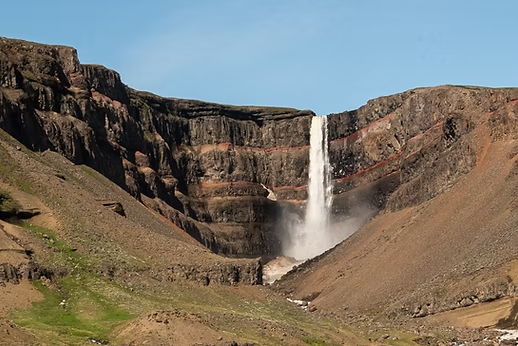
The trail and surroundings are rarely crowded, making Hengifoss a place for reflection and connection with nature. The sound of cascading water, the vastness of the cliffs, and the play of light on ancient rock create an atmosphere that feels both grounding and transcendent.
Final Thoughts
The layered waterfall of Hengifoss is more than just a geological marvel—it’s a symbol of Iceland itself: raw, powerful, ancient, and endlessly changing. It reminds visitors that beauty often lies in the details, in the slow work of time and the quiet persistence of nature.
Whether you’re an adventurer chasing Iceland’s lesser-known treasures, a photographer seeking color and texture, or simply a traveler drawn to solitude, Hengifoss offers a moment of stillness amid the wild landscapes of the East. Watching the water tumble through layers of Earth’s deep history, you can’t help but feel that you’re standing at the intersection of time, nature, and wonder.