





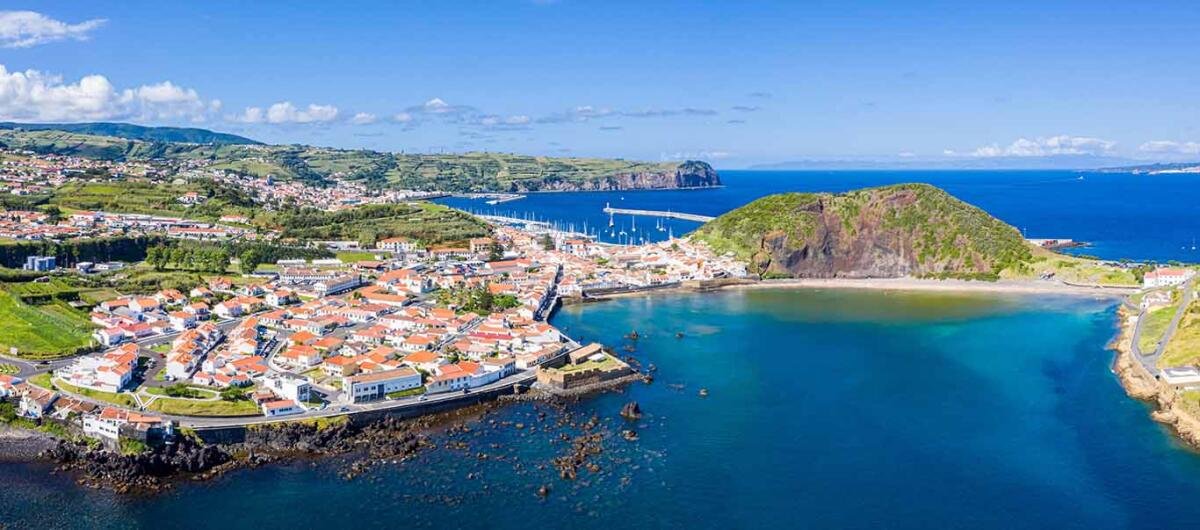

Floating in the middle of the Atlantic Ocean, halfway between Europe and North America, lies an archipelago that feels like a secret whispered by nature itself — The Azores. Often overshadowed by mainland Portugal, this cluster of nine volcanic islands is a dreamscape of emerald lakes, misty mountains, and ocean breezes scented with salt and hydrangea. For travelers seeking wild beauty with a touch of tranquility, the Azores are pure enchantment.
I began my journey on São Miguel, the largest and most visited of the islands. Known as “The Green Island,” it’s a lush world of rolling pastures, volcanic craters, and thermal springs. My first stop was Sete Cidades, one of the most iconic views in the Azores. Standing at the Vista do Rei viewpoint, I gazed upon twin lakes — one blue, one green — nestled within a massive volcanic caldera. Legend says they were formed from the tears of a shepherd and a princess who shared a forbidden love. Whether myth or geology, the scene was breathtaking.
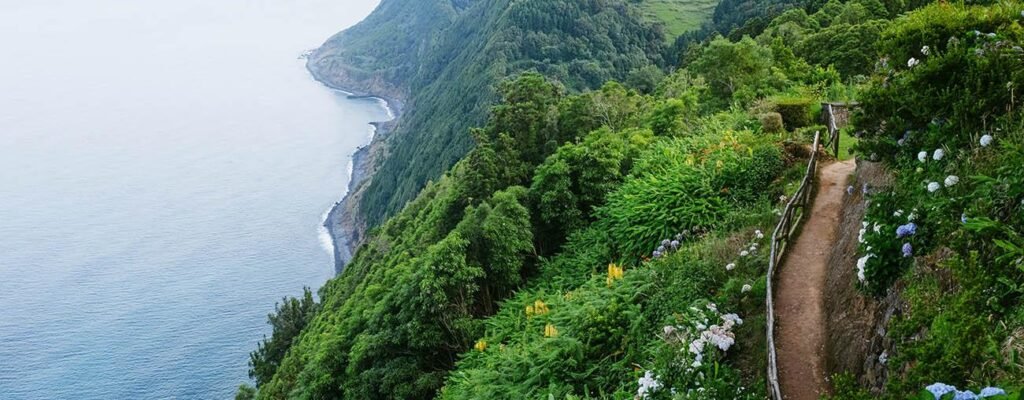
Driving through the winding mountain roads, I passed small villages where cows grazed lazily and stone cottages wore coats of moss. The pace of life here is unhurried — locals wave as you drive by, and conversations are punctuated by the sound of church bells and ocean winds. Every turn seemed to reveal a new panorama: cliffs plunging into turquoise waters, fields blanketed in hydrangeas, and steaming fumaroles hinting at the volcanic energy beneath the ground.
In Furnas, I discovered one of the island’s most fascinating traditions — Cozido das Furnas, a stew cooked underground using geothermal heat. Pots filled with meats and vegetables are lowered into natural steam vents and left to slow-cook for hours. When served, the dish is smoky, tender, and infused with the earth’s warmth — quite literally, a meal cooked by nature itself. Afterward, I soaked in the nearby thermal pools of Terra Nostra Garden, surrounded by towering ferns and blooming camellias, feeling as if I’d stepped into a prehistoric paradise.
The next leg of my journey took me to Pico Island, home to Portugal’s highest peak, Mount Pico, a 2,351-meter volcano that dominates the skyline. Though the climb is challenging, the reward is a panorama that stretches beyond the horizon — clouds drifting beneath your feet, the sea shimmering in all directions. Even if you don’t summit, the island itself is a marvel: black lava fields covered in vineyards, where grapevines grow within stone-walled enclosures to protect them from the wind. The result is a distinctive local wine, crisp and minerally, which pairs beautifully with fresh seafood caught that very morning.
Wildlife lovers will find their paradise in the surrounding waters. The Azores are one of the world’s best places for whale and dolphin watching — more than 25 species can be seen throughout the year. Setting out from Faial, our small boat cut through the waves, and soon, a pod of dolphins appeared, racing alongside us with effortless grace. Moments later, the ocean surface broke with the immense shape of a sperm whale — a silent, powerful reminder of nature’s grandeur.
Evenings in the Azores are for quiet reflection. Sitting by the harbor in Horta, I watched yachts sway gently as the sun dipped below the horizon. Travelers from around the world leave painted murals on the marina walls, a sailor’s tradition for good luck before long voyages. It’s a beautiful collage of color and memory — much like the islands themselves.
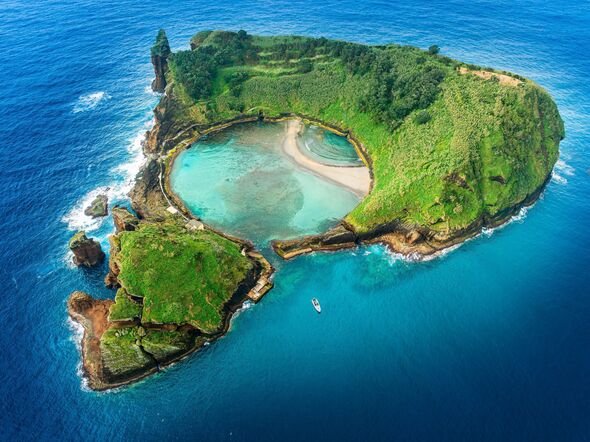
What makes the Azores so captivating is their balance of raw wilderness and simple human warmth. It’s a place where adventure and peace coexist — where you can hike through volcanic craters in the morning, bathe in hot springs by afternoon, and end your day with local cheese, wine, and conversation under a sky freckled with stars.
The Azores are more than a destination — they’re a feeling. A reminder that the world still holds untouched corners of wonder, waiting quietly in the middle of the sea.