





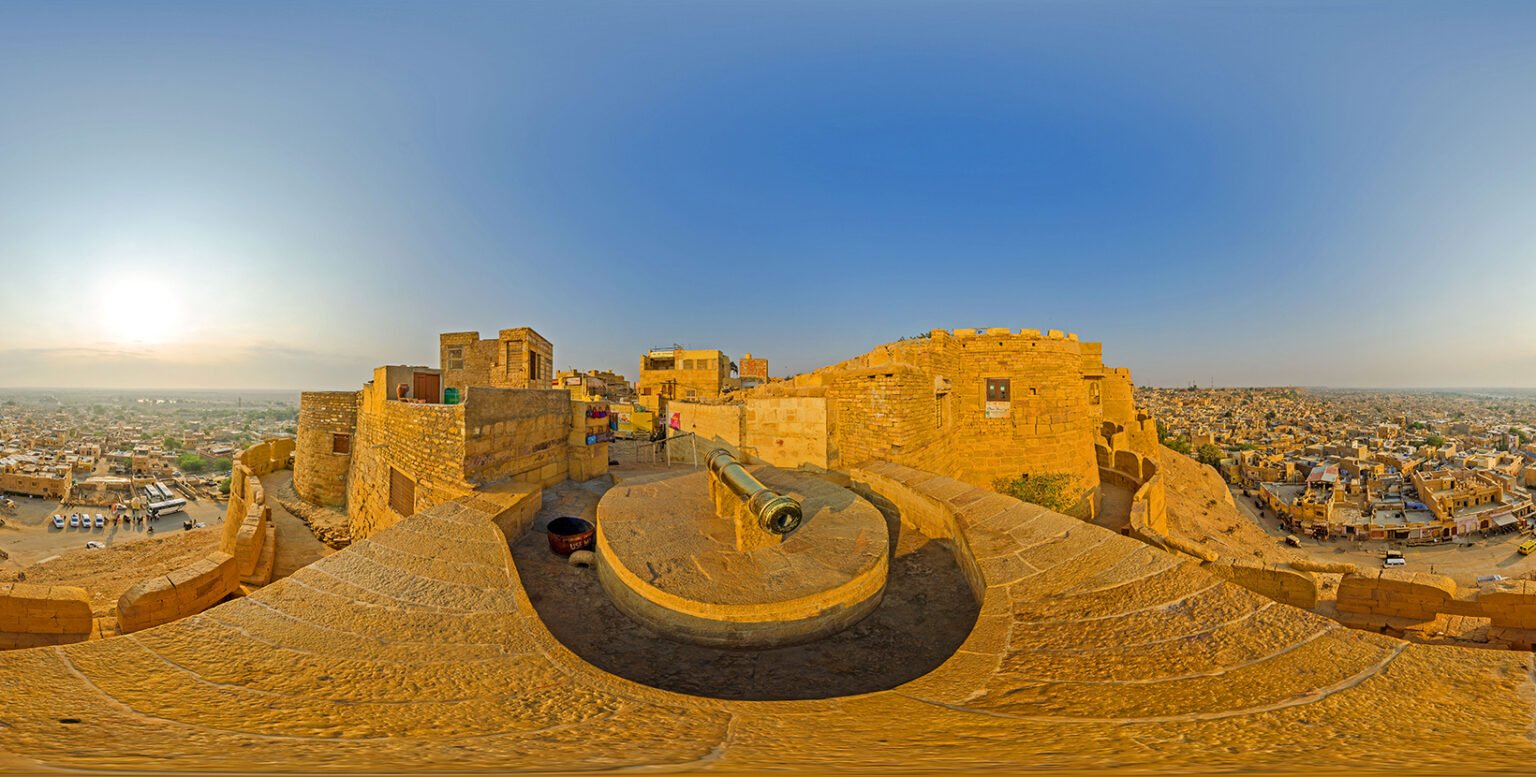

Some journeys don’t need postcard beaches or snow-dusted mountains to feel unforgettable. Sometimes, all it takes is a horizon dipped in gold, the quiet thrum of camel bells, and a sky that feels endlessly, impossibly wide. Rajasthan—the desert kingdom of India—offers exactly that kind of magic. It’s a place where every sunrise paints the dunes with melted amber, and every sunset seems to linger just a little longer, as if reluctant to let travelers go.
My journey began in Jaisalmer, the fabled Golden City rising like a sandcastle from the Thar Desert. The moment I walked into the living fort—one of the few inhabited forts in the world—the centuries seemed to fold into each other. Narrow alleyways curved under intricately carved archways, where families sold embroidered shoes, brass trinkets, and desert spices in the same stalls their ancestors might have used. The sandstone buildings glowed like gold bricks under the winter sun, making even a simple morning stroll feel cinematic.
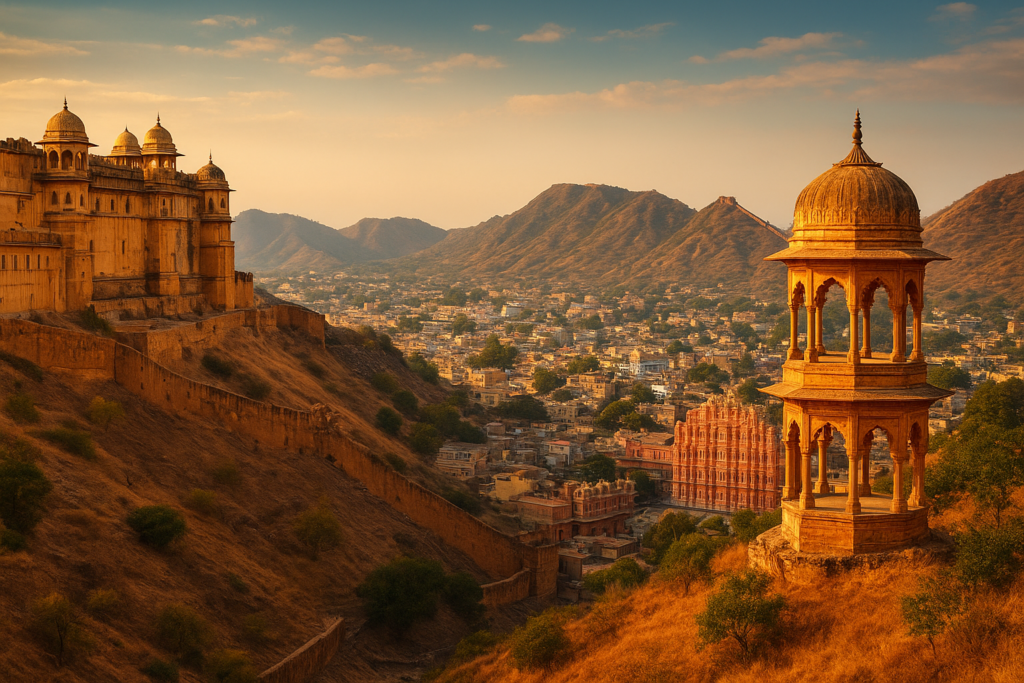
Yet the true heart of Jaisalmer lies beyond its walls, where the Sam Sand Dunes ripple outward in hypnotic waves. I joined a sunset camel safari, expecting a fun tourist moment. What I found instead was a silence so profound it felt alive. With every slow, rocking step of the camel, the modern world slipped away. At the dunes’ highest ridge, the sky erupted into a gradient of coral, lavender, and rose. As the wind curled around us, our small group remained quiet, as though speaking might disturb the sacredness of the moment. Dinner later under a canopy of stars—accompanied by the rhythmic beat of Rajasthani folk drums—felt like a dream I wasn’t ready to wake from.
From desert gold I moved to Jodhpur, the Blue City that looks like it has been dipped in indigo. Seen from atop the mighty Mehrangarh Fort, Jodhpur’s cubed homes form an ocean of blue rooftops stretching toward the horizon. The fort itself, towering dramatically over the city, is a masterpiece of Rajput architecture—massive courtyards, stained-glass windows, weapon galleries, and balconies carved so delicately they resemble lace. But what lingered with me most wasn’t the architecture—it was the stories etched into its walls. Tales of battles won, royal feasts, forbidden romances, and whispered rivalries brought the fort alive in a way no guidebook could.
Jodhpur’s bustling Sardar Market is another delight: a kaleidoscopic world of spices, silver jewelry, mirror-work textiles, and pyramids of marigold flowers. The scent of cardamom mingled with frying kachoris, and shopkeepers enthusiastically called out in Hindi and English, inviting visitors to sample saffron or try on bangles. It was crowded, chaotic, and completely glorious.
The final stop on my Rajasthan journey was Udaipur, often called the Venice of the East. Surrounded by the Aravalli hills and centered around shimmering lakes, Udaipur felt softer and more romantic than its desert siblings. Lake Pichola, especially at dusk, mirrors the colors of the sky so perfectly that the boundary between water and air dissolves. A boat ride here passes by ghats, palaces, and temples glowing in warm light—each one reflected in the still water like a watercolor painting brought to life.
The City Palace—a sprawling complex perched on the lake’s edge—unfolds like a maze of courtyards, corridors, and opulent rooms filled with mosaics, glasswork, and royal memorabilia. But the real beauty of Udaipur lies in its quiet corners: rooftop cafés with sunlit terraces, narrow lanes where tailors stitch saris by hand, and old havelis with pastel walls adorned with traditional Rajasthani frescoes.
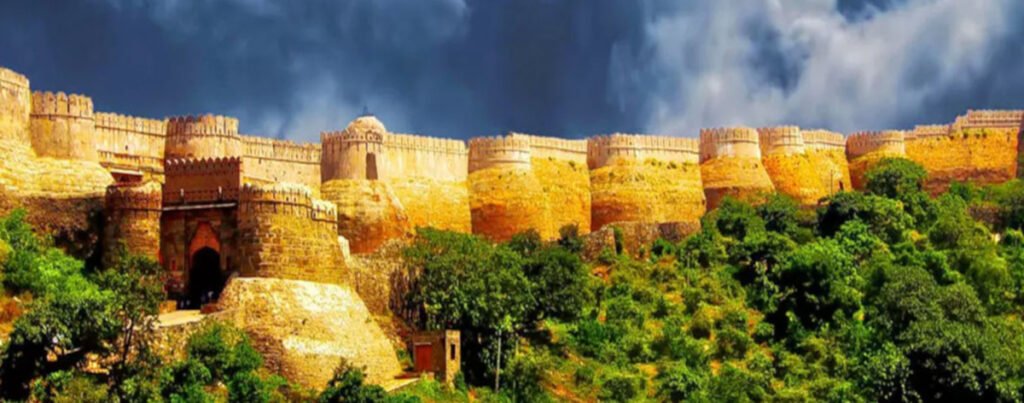
By the time I left Rajasthan, my suitcase was heavier with souvenirs, but my heart was fuller with memories: the taste of desert chai, the hum of folk songs at night, the glow of lanterns reflected in lake water, and the warmth of people who welcomed travelers like old friends.
Rajasthan isn’t just a destination—it’s a feeling. A blend of history and color, grit and grace, silence and celebration. And for anyone seeking a journey that lingers long after the trip ends, the Amber Trails of India’s desert kingdom promise a story you’ll want to relive again and again.