







In a world where technological advancements are constantly reshaping the way we travel, one mode of transportation that has remained relatively underappreciated is the airship. With the rise of electric propulsion, renewable energy, and an increasing focus on sustainability, airships are now being reimagined as a viable, eco-friendly alternative to traditional air travel. Despite their somewhat outdated image, airships have the potential to redefine air travel in the near future. Here’s a closer look at how airships could play a significant role in the future of air transportation.
The History of Airships
The history of airships dates back to the early 20th century. The most iconic example is the Zeppelin, a large, rigid airship used primarily for military and passenger travel during the 1910s and 1920s. However, airships fell out of favor after a series of high-profile accidents, most notably the 1937 Hindenburg disaster, which resulted in the tragic deaths of 36 people. Despite this, the potential for airships as a means of long-distance air travel was never entirely forgotten. In recent years, airship technology has been evolving, with many manufacturers exploring ways to modernize and improve upon the original designs.
Airships and the Environment
One of the most promising aspects of airships is their environmental potential. Unlike airplanes, which burn large quantities of fossil fuels to stay airborne, airships are able to harness lighter-than-air gases, like helium, to lift off the ground. This drastically reduces their carbon footprint and opens the door to the possibility of more sustainable travel.
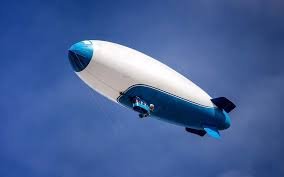
Modern airships are also being designed with electric propulsion systems, further reducing emissions and making them compatible with renewable energy sources like solar and wind power. This is particularly important in the context of climate change, where the aviation industry is facing increasing pressure to reduce its impact on the environment.
With their low energy requirements and reduced carbon emissions, airships could play a significant role in efforts to decarbonize the transportation sector, providing a cleaner, greener alternative to conventional air travel.
The Slow and Steady Advantage
While airships may never be able to replace commercial jets for long-haul flights, they offer a unique advantage when it comes to shorter, regional routes. One of the defining characteristics of airships is their slow travel speed, which could be seen as a disadvantage for those seeking to get to their destination quickly. However, in a world where many travelers are increasingly concerned about environmental impact, the ability to take their time might become an attractive proposition.
Airships are ideal for scenic, leisurely flights, offering passengers an unparalleled view of the landscape below. Imagine flying over mountains, oceans, or sprawling cities without the noise and turbulence of an airplane. With a relaxed pace, airships could become the preferred mode of transport for travelers seeking a more serene, picturesque journey, much like how people use trains for scenic rides today.
Moreover, because airships are able to hover and land in more remote locations, they could also play a role in regional transport to underserved areas. In places with limited access to airports, airships could provide a convenient alternative, connecting smaller towns and rural areas to larger cities without the need for expensive airport infrastructure.
Airships in Cargo and Logistics
Airships may not just revolutionize passenger travel—they could also transform the cargo and logistics industries. Given their ability to carry heavy loads, airships could serve as a more sustainable and cost-effective means of transporting goods to hard-to-reach areas or regions with minimal infrastructure.
For instance, airships could be used for disaster relief efforts, where their ability to land in remote areas makes them invaluable for delivering supplies to places affected by natural disasters. They could also be used for large-scale industrial shipments, where the cargo is too bulky or difficult to transport by road or rail.
Furthermore, airships offer the ability to carry oversized or fragile items with far fewer concerns about the weight restrictions imposed by conventional aircraft. This opens up possibilities for industries ranging from agriculture to heavy manufacturing to utilize airships for niche logistics needs.
Challenges Ahead
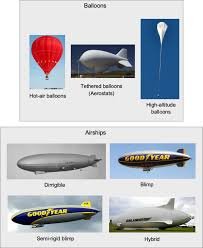
Despite their many advantages, airships do face several challenges before they can be widely adopted. One of the major hurdles is public perception—airships are often viewed as antiquated, slow, and unsafe due to their historical baggage. Modern airships would need to prove that they are as safe and reliable as any other form of air travel.
Another challenge is infrastructure development. Airships require specific docking stations, maintenance facilities, and logistical support systems that are currently lacking in many parts of the world. Creating the necessary infrastructure would require substantial investment, though some companies are already starting to develop the technology and business models needed for this.
Additionally, while airships are far more energy-efficient than airplanes, they are still vulnerable to weather conditions such as high winds and storms. Their reliance on wind currents for navigation means that flight schedules would need to be more flexible and adaptable to changing weather patterns.
The Future of Air Travel
The resurgence of airships could ultimately represent a complementary form of air travel, rather than a replacement for airplanes. With advancements in green technology, more efficient designs, and better safety standards, airships could become a key player in the movement toward sustainable, low-carbon transportation options.
As more companies explore this potential, airships could become a common sight in the skies once again, offering a cleaner, quieter, and more leisurely alternative to conventional air travel. The future of air travel may very well be a balance between the high-speed convenience of airplanes and the peaceful, eco-friendly allure of airships—making air travel a more enjoyable, sustainable, and accessible experience for all.