





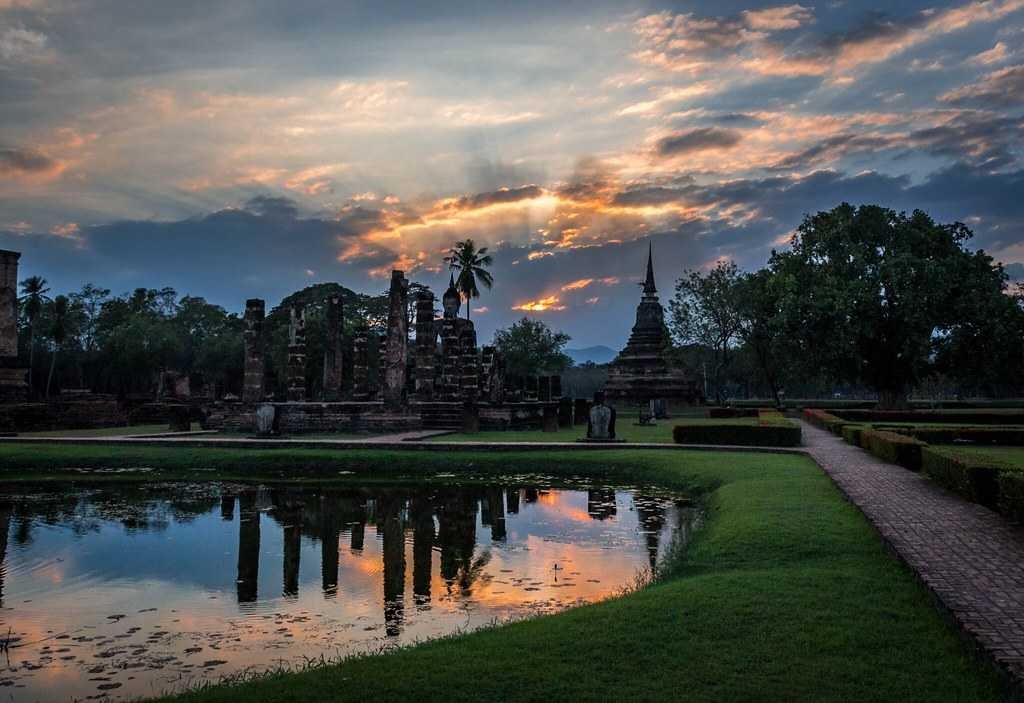

Thailand is often celebrated for its golden beaches, bustling street markets, and rich culinary traditions. Yet beyond the tourist hotspots lies a treasure trove of heritage—Thailand’s UNESCO World Heritage Sites. These sites embody the country’s deep history, spiritual traditions, and diverse ecosystems, making them a must-visit for cultural aficionados who wish to experience the nation’s soul in its purest form.
Ayutthaya: The Ancient Capital
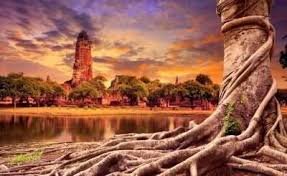
Founded in 1350, Ayutthaya Historical Park stands as one of Thailand’s most iconic UNESCO World Heritage Sites. Once the capital of the Kingdom of Siam, Ayutthaya was a thriving hub of trade and culture before it was destroyed by the Burmese in the 18th century. Today, its majestic ruins—including prang (tall reliquary towers) and massive monasteries—offer visitors a glimpse into its grandeur.
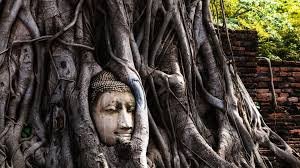
Walking among the crumbling temples and iconic Buddha head entwined in tree roots feels like stepping back in time. For cultural travelers, Ayutthaya is not just an archaeological wonder; it represents Thailand’s golden age of art, architecture, and diplomacy.
Sukhothai: Birthplace of Thai Culture
Often referred to as the “Cradle of Thai Civilization,” Sukhothai Historical Park is another UNESCO gem. Established in the 13th century, it was the first capital of Siam and the birthplace of the Thai alphabet created by King Ramkhamhaeng.
The park’s temples, particularly Wat Mahathat, reflect the elegance of early Thai art and architecture, with graceful Buddha statues that radiate serenity. Cycling through Sukhothai’s expansive grounds offers a serene way to absorb its history while enjoying the natural landscape that surrounds it. For cultural aficionados, Sukhothai is a lesson in how Thai identity was shaped through art, spirituality, and innovation.
Ban Chiang: Prehistoric Heritage
While Ayutthaya and Sukhothai highlight Thailand’s medieval glory, Ban Chiang Archaeological Site in Udon Thani showcases an even older story. This site, dating back more than 2,000 years, is considered one of Southeast Asia’s most important prehistoric settlements.
Ban Chiang is particularly famous for its intricately decorated red pottery, tools, and evidence of early rice cultivation. It provides a fascinating look into the roots of Thai civilization long before kingdoms rose and fell. For those interested in anthropology and ancient culture, Ban Chiang is a rare opportunity to connect with prehistoric life.
Dong Phayayen–Khao Yai Forest Complex: Natural Wonders
Not all of Thailand’s UNESCO sites are cultural; some celebrate the country’s biodiversity. The Dong Phayayen–Khao Yai Forest Complex covers five protected areas, including the famous Khao Yai National Park. It is home to elephants, gibbons, hornbills, and even tigers, showcasing Thailand’s ecological richness.
While cultural aficionados might come for temples and ruins, this site demonstrates how Thai heritage is also deeply tied to nature. Traditional folklore and spiritual beliefs often draw inspiration from the forests, making this UNESCO site a living connection between culture and environment.
Kaeng Krachan Forest Complex: Harmony with Nature
Another natural UNESCO site is the Kaeng Krachan Forest Complex, located along the Myanmar border. Known for its misty mountains and diverse wildlife, it highlights the importance of conservation in Thailand’s cultural narrative. Many ethnic communities still live in and around these forests, practicing traditions that blend human life with nature.
For visitors, it’s a chance to understand how culture and ecology intertwine—showing that Thailand’s heritage is not confined to temples but extends to its landscapes.
Why Cultural Aficionados Should Visit
Thailand’s UNESCO World Heritage Sites are more than just tourist destinations; they are gateways to understanding the nation’s soul. From the regal ruins of Ayutthaya and Sukhothai to the prehistoric mysteries of Ban Chiang and the ecological wonders of its forest complexes, these sites tell the story of a nation shaped by resilience, spirituality, and harmony with nature.
For cultural travelers, visiting these places is not only about sightseeing but about experiencing Thailand’s identity across time—ancient, medieval, and modern. Each site is a reminder that heritage is not static; it evolves, inspires, and continues to connect people across generations.
Final Thoughts
Thailand’s UNESCO World Heritage Sites offer an immersive journey for anyone seeking more than beaches and nightlife. They are testaments to the country’s cultural depth and natural wealth—making them truly unmissable for cultural aficionados. Whether you’re cycling through ancient ruins, studying prehistoric pottery, or trekking through lush forests, each site reveals a different facet of Thailand’s enduring legacy.
Word count: ~671
Would you like me to make this blog SEO-friendly with keywords like “Thailand UNESCO heritage,” “Ayutthaya travel,” and “Sukhothai historical park” so it’s optimized for search engines?