







Some destinations speak loudly with neon skylines and busy boulevards. Others whisper their stories through wind-carved dunes, ancient alleys, and the quiet rhythm of tradition. Yazd, tucked in the desert heart of Iran, belongs beautifully to the latter. It’s a place where the air smells of saffron and sun-warm adobe, where time feels less like a ticking clock and more like a soft, steady breath. For travelers seeking serenity, history, and a raw sense of authenticity, Yazd offers an unforgettable escape.
My journey began the moment I stepped into the old city, a UNESCO-listed maze of sun-baked walls. The houses here are the same warm beige as the surrounding desert, making the city feel almost sculpted from the earth itself. Narrow passages curved like quiet currents, leading me from one hidden courtyard to another. Above me, badgirs—the iconic wind towers—rose like ancient guardians of the skyline. Ingeniously designed centuries ago, these towers cool homes using only the passing breeze, proving sustainability isn’t modern; it’s ancestral.
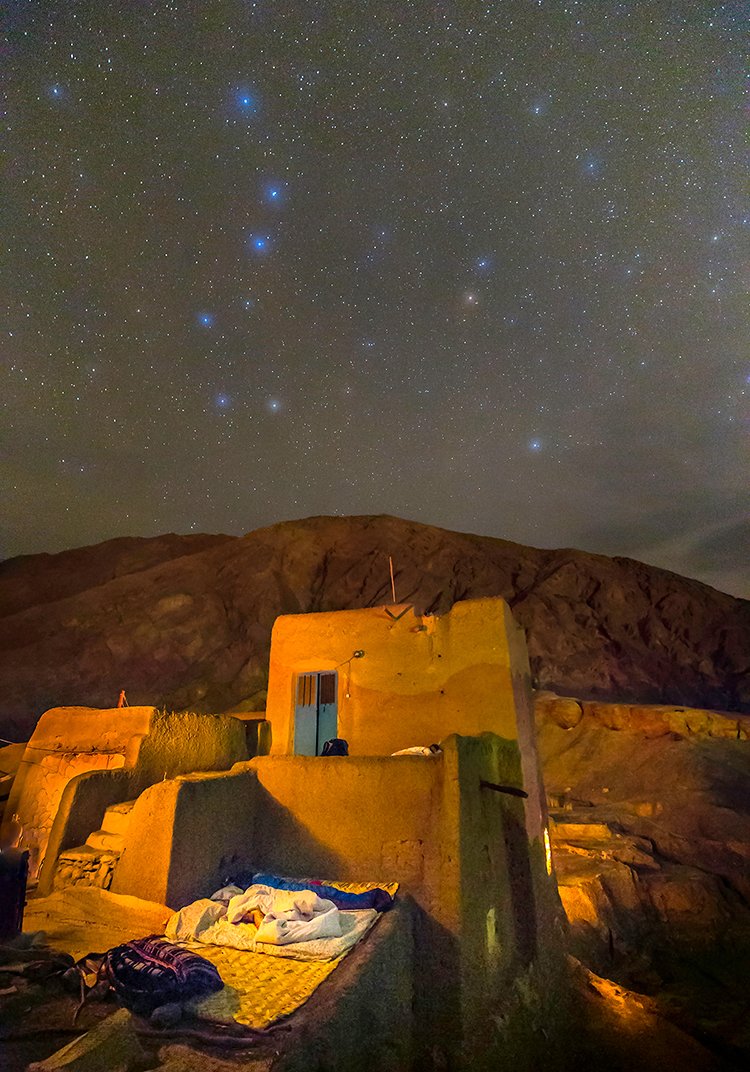
Yazd is a city not just preserved but lived in. Men cycled slowly through alleys with fresh trays of nan-e taftoon balanced on handlebars. Women in flowing black chadors disappeared gracefully into doorways carved with poetic calligraphy. Children played among pomegranate crates in corners where sunlight filtered down in dusty beams. Every step felt like walking through a living museum—one where the artifacts still laugh, bake, trade, and dream.
My first deep dive into the city’s spirit came at the Amir Chakhmaq Complex, an architectural masterpiece glowing with symmetrical alcoves. At dusk, when lanterns flickered like fireflies, the square filled with families sharing warm pastries and steaming cups of doogh. The crowd felt communal yet intimate, and for the first time on my trip, I sensed Yazd’s pulse—the gentle blend of heritage and hospitality.
No journey to Yazd is complete without tasting its most precious ingredient: saffron. Local shops, often family-run for generations, proudly display tiny glass jars of the crimson threads. I visited one such shop where an elderly vendor explained the harvesting process as though he were reciting poetry. He placed a pinch of saffron into warm water, producing a golden hue that looked almost unreal. “This is our desert’s sunlight,” he said with a smile. In Yazd, saffron is more than a spice—it’s a symbol of patience, devotion, and beauty drawn from the hard earth.
The next day took me to the Fire Temple, home to a flame said to have burned for over 1,500 years. Inside, Zoroastrian symbols glowed softly against the marble. Standing before the sacred fire felt grounding—a reminder that Yazd is a spiritual center not only for Iran but for one of the world’s oldest religions. Outside, cypress trees rustled gently as if guarding the ancient energy.
To understand Yazd fully, I ventured beyond the city to the sand dunes of the Varzaneh Desert. As the sun dropped lower, the entire landscape shifted from gold to rose to deep violet. The silence was profound—no traffic, no chatter, just the whisper of shifting sand. Camel caravans in the distance moved slowly like a mirage, reinforcing the timelessness of the place. Watching the sunset from a dune crest, I felt an inner stillness I rarely access in daily life.
My final hours in Yazd were spent wandering the Jameh Mosque, its tall blue-tiled minarets rising defiantly from the desert plain. Inside, geometric mosaics spiraled endlessly across ceilings like constellations made of turquoise. The play of light and shadow inside the prayer hall created a calm, sacred atmosphere that made me linger longer than planned.
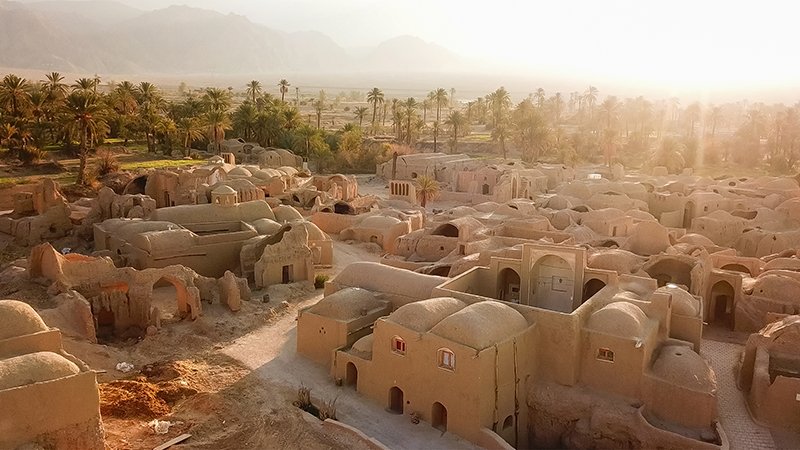
Yazd isn’t a city of extremes; it’s a city of subtleties. It doesn’t overwhelm you—it gently invites you in. It’s perfect for travelers who crave culture, quiet, and connection rather than spectacle. Between its saffron-tinged flavors, whispering dunes, and deeply rooted traditions, Yazd offers something rare: a journey inward, as much as outward.
For anyone searching for a travel experience that feels meaningful, warm, and truly unforgettable, Yazd’s desert soul might just be waiting for you.