






Rome—the Eternal City—is a place where every step feels like walking through centuries of art, faith, and culture. Among its many wonders, two landmarks offer an unforgettable glimpse into the city’s soul: the Church of Saint Vincent and Anastasius at Trevi and the world-famous Trevi Fountain. Nestled close to each other in the heart of Rome, they embody the timeless harmony between sacred devotion and artistic grandeur. A walk between these two sites is not just a stroll—it’s a spiritual and aesthetic pilgrimage through the essence of Roman heritage.
1. Beginning at Saint Vincent and Anastasius Church
The Church of Saint Vincent and Anastasius at Trevi (Santi Vincenzo e Anastasio a Trevi) stands quietly amid the lively streets near the Trevi Fountain. Built in the 17th century by architect Martino Longhi the Younger, this Baroque masterpiece reflects the splendor and religious fervor of its era. It was commissioned during the papacy of Pope Innocent X and completed in 1650, dedicated to Saint Vincent of Zaragoza and Saint Anastasius of Persia—two martyrs known for their courage and steadfast faith.
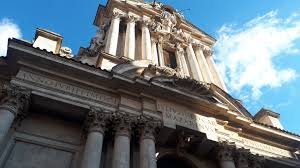
The façade of the church is a vision of ornate Baroque design, featuring Corinthian columns, sculpted angels, and intricate stone reliefs. Its grandeur commands attention, yet its beauty lies in its subtlety—an elegant structure surrounded by bustling Roman streets, offering calm amidst chaos.
Inside, the church houses several beautiful altars and artworks, including paintings that depict scenes from the lives of the two saints. But what makes this church particularly unique is its unusual connection to the Vatican. It once served as the official burial site for the hearts and internal organs of 22 Popes, removed during embalming rituals and preserved here in urns—a tradition that continued until the late 19th century. This sacred connection makes Saint Vincent and Anastasius one of Rome’s most fascinating yet often overlooked religious landmarks.
2. Walking Through the Heart of Rome
Leaving the church, the narrow cobblestone lanes guide visitors deeper into the heartbeat of central Rome. This short walk—just a few minutes long—offers an enchanting experience that blends history, street life, and architecture.
You’ll pass elegant cafés serving espresso and gelato, souvenir shops selling artisan crafts, and the melodic sound of fountains echoing through stone alleyways. Every turn reveals something quintessentially Roman—a glimpse of an ancient column, a weathered doorway adorned with flowers, or the laughter of tourists mingling with locals.
As you approach the Trevi Fountain, the streets open up into one of the most magical squares in Europe. The hum of the city fades into the mesmerizing sound of cascading water.
3. The Trevi Fountain: Rome’s Living Masterpiece
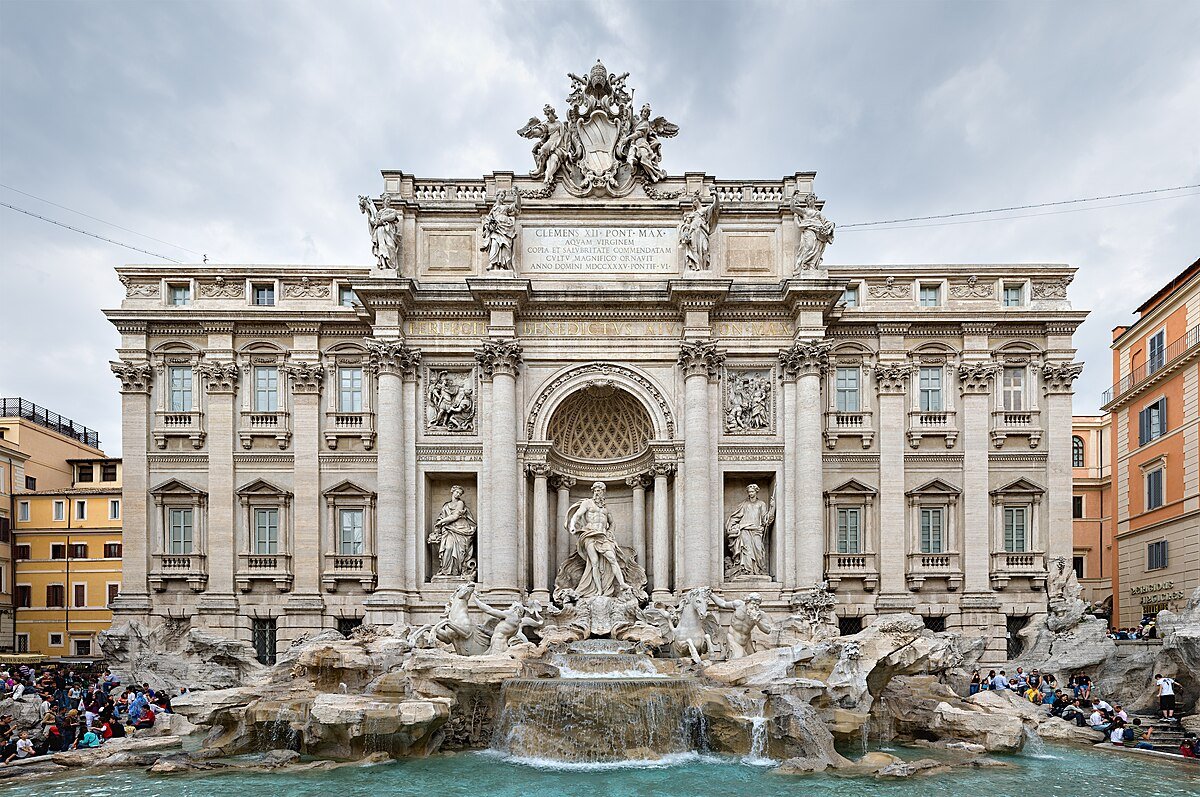
The Trevi Fountain (Fontana di Trevi) is more than a monument—it is a theatrical spectacle of water, stone, and light. Designed by Nicola Salvi and completed in 1762 by Giuseppe Pannini, the fountain stands at the end of the Aqua Virgo aqueduct, an ancient Roman waterway dating back to 19 BCE. This connection to Rome’s original aqueduct system makes the Trevi Fountain not only an artistic marvel but also an engineering triumph that bridges ancient and modern Rome.
At its center stands Oceanus, the god of all waters, majestically commanding his chariot pulled by sea horses. One horse is calm, the other restless—symbolizing the contrasting moods of the sea. Surrounding him are allegorical figures representing abundance, health, and nature, carved in white travertine marble that gleams in sunlight and glows by night.
The Trevi Fountain has long been associated with legend and romance. Tradition says that if you throw a coin over your left shoulder into the fountain with your right hand, you ensure your return to Rome. Two coins promise love, and three mean marriage. Each year, over €1 million in coins are collected from the fountain and donated to charity, helping feed and support the city’s needy.
4. A Blend of the Sacred and the Spectacular
The proximity of Saint Vincent Church and the Trevi Fountain is no coincidence—they both embody the spirit of Rome as a city of faith and beauty. One represents the solemn devotion of centuries-old Catholic tradition; the other celebrates art, mythology, and the triumph of human creativity. Together, they tell the story of how Rome’s soul was built: layer by layer, faith by faith, and stone by stone.
Walking from the church to the fountain, you experience a living dialogue between religion and art, quiet reflection and exuberant expression. The journey reminds every visitor that Rome’s greatness lies not only in its monuments but in how seamlessly it weaves the sacred with the spectacular.
5. Ending Your Walk: The Eternal Allure of Rome
As you stand before the Trevi Fountain, perhaps with a coin in hand, you feel the same awe that has moved travelers for centuries. Behind you, the Church of Saint Vincent and Anastasius stands as a reminder of Rome’s enduring spirituality. In front of you, the fountain gushes with vitality—a symbol of life, love, and continuity.
Rome, after all, is not just a destination; it’s an experience. The short walk from Saint Vincent Church to the Trevi Fountain captures the essence of what makes the city eternal—a perfect blend of devotion, artistry, and human wonder.
In every stone and every drop of water, you can feel the heartbeat of history. And as the evening sun reflects off the fountain’s ripples, you understand why Rome has captivated hearts for over two millennia—it is a place where the divine and the beautiful coexist effortlessly.