





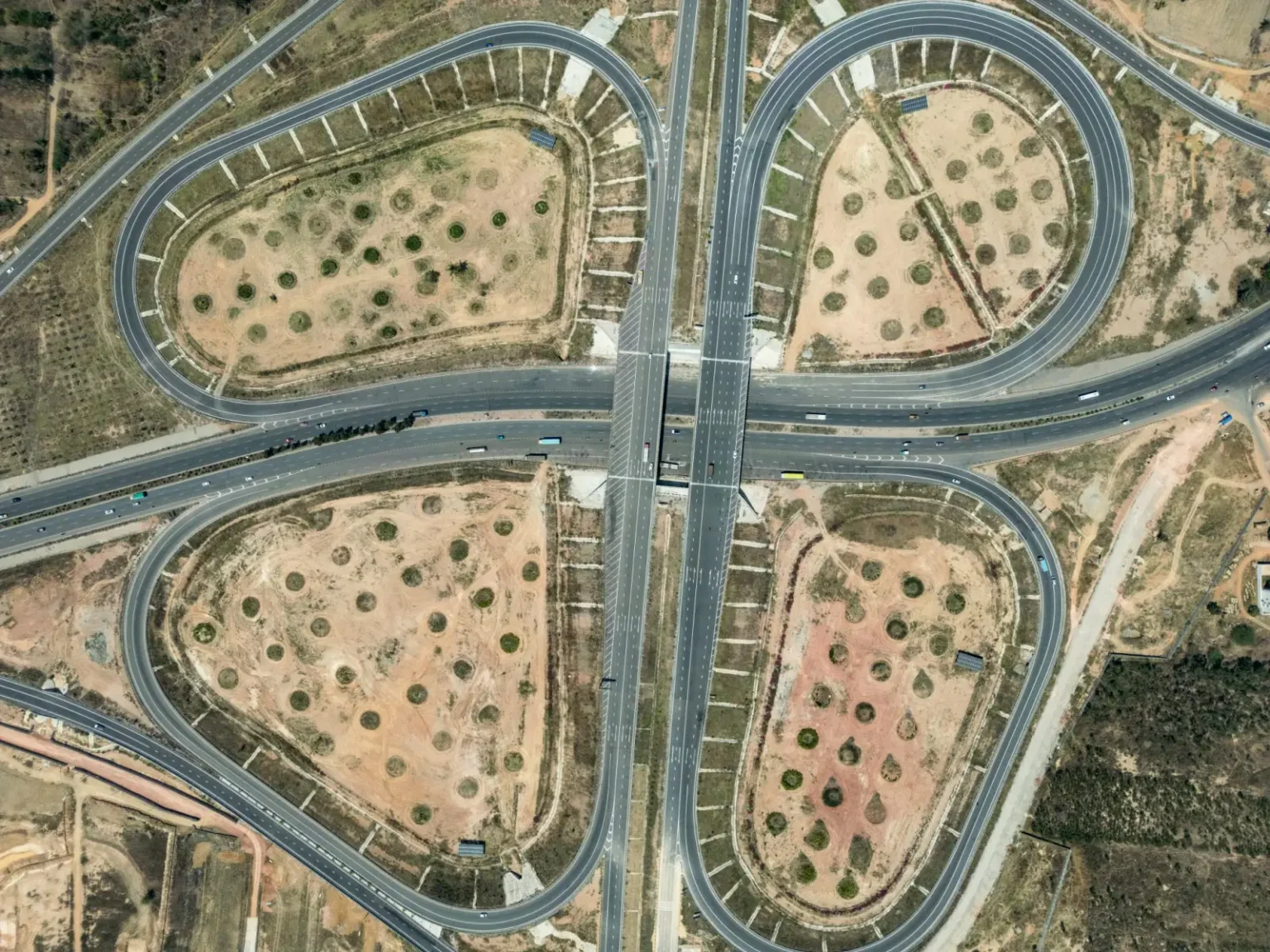

Roads are the arteries of modern civilization. They connect cities, power economies, enable trade, and shape how people live and move. While railways and air travel often dominate headlines, it is road infrastructure that quietly supports everyday life on a massive scale. Some countries have built road networks so vast that they stretch millions of kilometers, reflecting decades of development, urban expansion, and economic ambition. Here’s a look at the five countries with the largest road networks in the world—and what makes them truly giant.
1. United States: The Global Road Giant
The United States boasts the largest road network on Earth, spanning more than 6.5 million kilometers. This immense system includes interstate highways, state roads, county routes, and local streets that reach nearly every corner of the country.
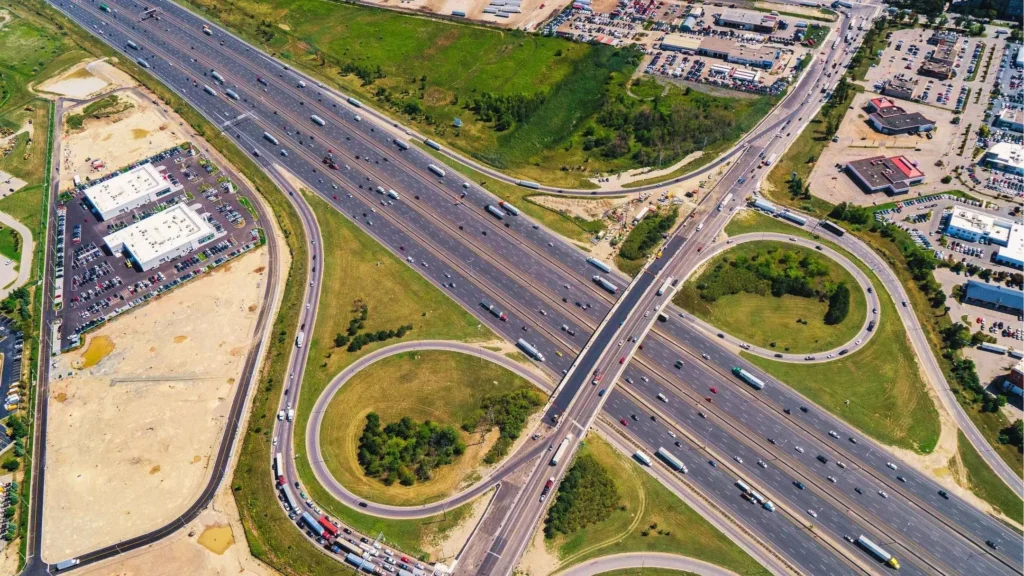
The backbone of the network is the Interstate Highway System, designed for long-distance, high-speed travel and critical for freight transport. Roads play a central role in American life, supporting car-centric cities, suburban expansion, and one of the world’s largest logistics and trucking industries. From sprawling urban freeways to rural backroads, the U.S. road network reflects the country’s scale and dependence on automobiles.
2. India: Rapid Expansion Meets Massive Demand
India has the second-largest road network in the world, with over 6.3 million kilometers of roads—and it continues to grow rapidly. Roads are the primary mode of transportation in the country, carrying the majority of passenger and freight traffic.
National highways form only a small percentage of the total network but handle a disproportionately large volume of traffic. In recent years, major infrastructure programs have focused on expanding expressways, improving rural connectivity, and reducing travel times between cities. India’s road network is not just vast; it is a critical driver of economic development and regional integration.
3. China: Infrastructure at Unprecedented Speed
China ranks third globally, with a road network exceeding 5.2 million kilometers. What sets China apart is the speed and scale at which this network has been built. In just a few decades, the country constructed one of the world’s most extensive expressway systems, connecting megacities, industrial hubs, and remote regions.
China’s highways are central to its manufacturing and export-driven economy. Massive investments in road infrastructure have improved internal mobility, boosted trade efficiency, and supported urbanization. The country’s ability to plan and execute large-scale projects has made its road network a symbol of modern infrastructure development.
4. Brazil: Connecting a Continental-Scale Country
Brazil has the fourth-largest road network globally, totaling more than 1.7 million kilometers. Given the country’s vast geography and diverse terrain, roads are essential for linking cities, agricultural regions, ports, and inland communities.
While Brazil relies heavily on roads for freight transport, challenges remain in terms of maintenance and quality, especially in remote areas. However, roads play a vital role in supporting agriculture exports such as soybeans and beef, making the network crucial to both domestic mobility and global trade.
5. Russia: Roads Across Extreme Landscapes
Rounding out the top five is Russia, with a road network of over 1.5 million kilometers. Spanning eleven time zones, Russia’s roads traverse some of the world’s harshest climates, from frozen tundra to mountainous terrain.
Road development in Russia is shaped by geography and weather, which can make construction and maintenance difficult. Despite these challenges, roads remain essential for regional connectivity, resource transport, and linking remote communities to urban centers.
Why Road Networks Matter
Large road networks are more than just statistics—they reflect economic priorities, population distribution, and development strategies. Roads enable trade, reduce transportation costs, and improve access to education, healthcare, and employment. In developing economies, expanding road connectivity can lift entire regions by opening them to markets and services.
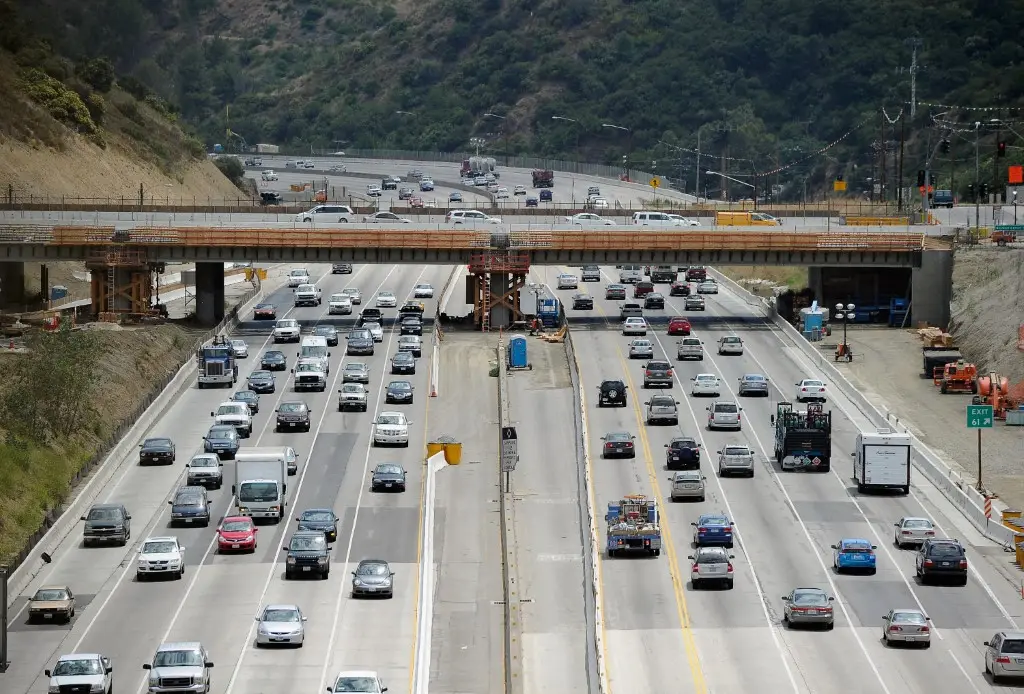
At the same time, massive road networks raise concerns about environmental impact, urban congestion, and sustainability. Governments are increasingly focusing on smarter infrastructure, electric vehicle readiness, and better public transport integration.
Final Thoughts
The world’s largest road networks tell a story of ambition, growth, and necessity. From the car-driven culture of the United States to the rapidly expanding highways of India and China, roads remain the backbone of global mobility. As technology and sustainability reshape transportation, these giant networks will continue to evolve—carrying not just vehicles, but the future of economic and social connection.