







At the southern edge of South America, where land and sky seem to blur into infinity, lies Patagonia — a realm of wind, wilderness, and wonder. Shared by Chile and Argentina, this vast region feels like another planet. Glaciers creak and thunder, turquoise lakes shimmer under jagged peaks, and herds of guanacos graze beneath skies so clear they seem to stretch forever. For travelers seeking solitude, raw beauty, and a reminder of nature’s untamed power, Patagonia is the edge of the world — in the best possible way.
The Call of the Wild
Patagonia’s landscape is as diverse as it is dramatic. In the north, rolling steppes stretch endlessly, dotted with sheep farms and lonely estancias. In the south, mountains rise abruptly — the Andes carving the land into valleys, fjords, and icy plains. It’s a region where every turn brings a new surprise: a mirror-like lake, a sudden glacier, or a rainbow bursting over wind-whipped grasslands.
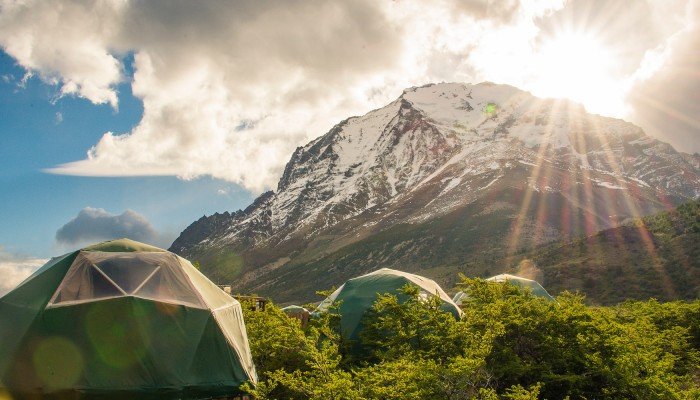
The most iconic sight of all lies within Torres del Paine National Park in Chile. Here, granite towers — the Torres — rise over emerald forests and the icy blue waters of Lago Pehoé. Hiking trails weave through this UNESCO Biosphere Reserve, offering some of the most spectacular scenery on Earth. Whether you choose the legendary W Trek or the longer O Circuit, you’ll find yourself dwarfed by nature, walking beneath condors that soar effortlessly above.
The Sound of Silence
What makes Patagonia so special isn’t just its grandeur — it’s the silence. There are moments when you’ll stand alone on a ridge, the wind whipping around you, and realize there’s no sound but your heartbeat and the whisper of the breeze. It’s humbling. In a world filled with noise, Patagonia reminds you what quiet truly means.
Travelers often speak of feeling small here, but in a freeing way. To be surrounded by such vastness, where horizons stretch beyond imagination, is to feel profoundly alive. It’s a landscape that demands respect — and rewards those who listen.
Ice, Water, and Time
Few places showcase the raw forces of nature like Perito Moreno Glacier in Argentina’s Los Glaciares National Park. This immense river of ice stretches over 19 miles long and towers nearly 200 feet above the water. Unlike most glaciers on Earth, Perito Moreno is still advancing, constantly cracking and collapsing into Lago Argentino with thunderous splashes.
Visitors can stand on viewing platforms or even strap on crampons to walk across the ice, exploring deep blue crevasses and shimmering caves. The sound of the glacier calving — a boom echoing across the valley — is something you never forget. It feels like the Earth exhaling.
Nearby, the Fitz Roy Range around the town of El Chaltén offers another kind of magic. Mount Fitz Roy, often shrouded in mist, is a siren for hikers and climbers from around the world. The trails here lead through alpine forests, along rivers, and to glacial lakes where reflections of the peaks dance on still waters. Sunrise at Laguna de los Tres, when the first light turns the mountains pink and gold, is pure Patagonia perfection.
People of the Frontier
Despite its remoteness, Patagonia isn’t empty. Scattered across its vastness are communities that have learned to live in harmony with the land. The gauchos, or Patagonian cowboys, still ride across the steppe on horseback, tending flocks much as their ancestors did. In small towns like Puerto Natales or El Calafate, travelers are welcomed with hearty meals of grilled lamb and stories of life at the edge of civilization.
You’ll meet artists, adventurers, and dreamers — all drawn by the region’s magnetic pull. There’s something about Patagonia that stirs the soul and reshapes one’s sense of perspective.
When to Go and What to Know
The best time to visit is between November and March, when the Southern Hemisphere’s summer brings long days and milder weather. But even then, Patagonia’s conditions are unpredictable — sunshine can turn to snow in minutes. Layers, windproof jackets, and sturdy boots are essential.
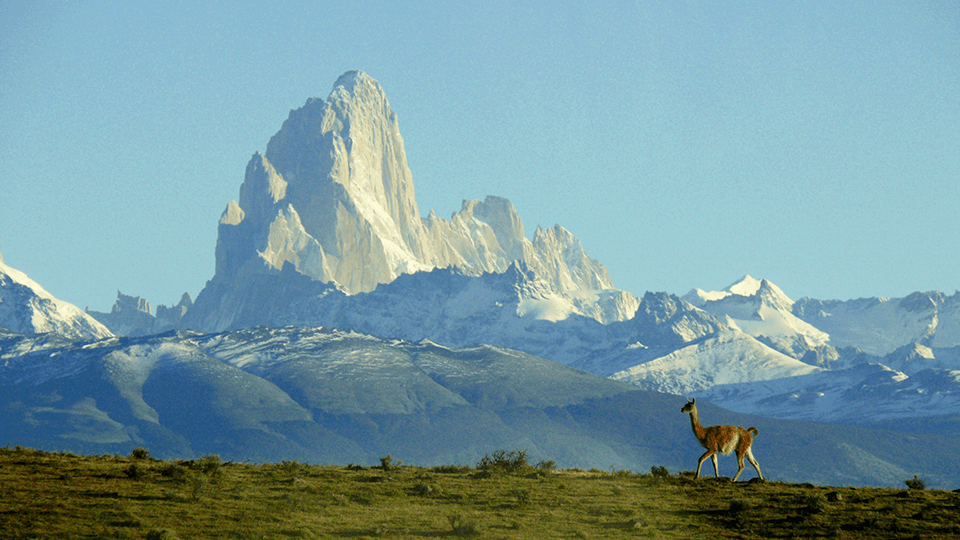
Whether you come to hike, photograph, or simply breathe the pure air, Patagonia rewards every effort. It’s not an easy place to reach, but that’s part of its charm — it stays wild because it demands commitment.
A Land That Stays With You
Leaving Patagonia feels like leaving another world. The memories linger: the wind’s endless song, the glint of sunlight on ice, the vastness that makes human worries seem small. Patagonia doesn’t just show you nature’s beauty — it shows you its power, its patience, and its peace.
At the end of the Earth, where time stretches thin, you’ll find something rare: silence, space, and the stirring reminder that the world is still full of wild places waiting to be loved.