





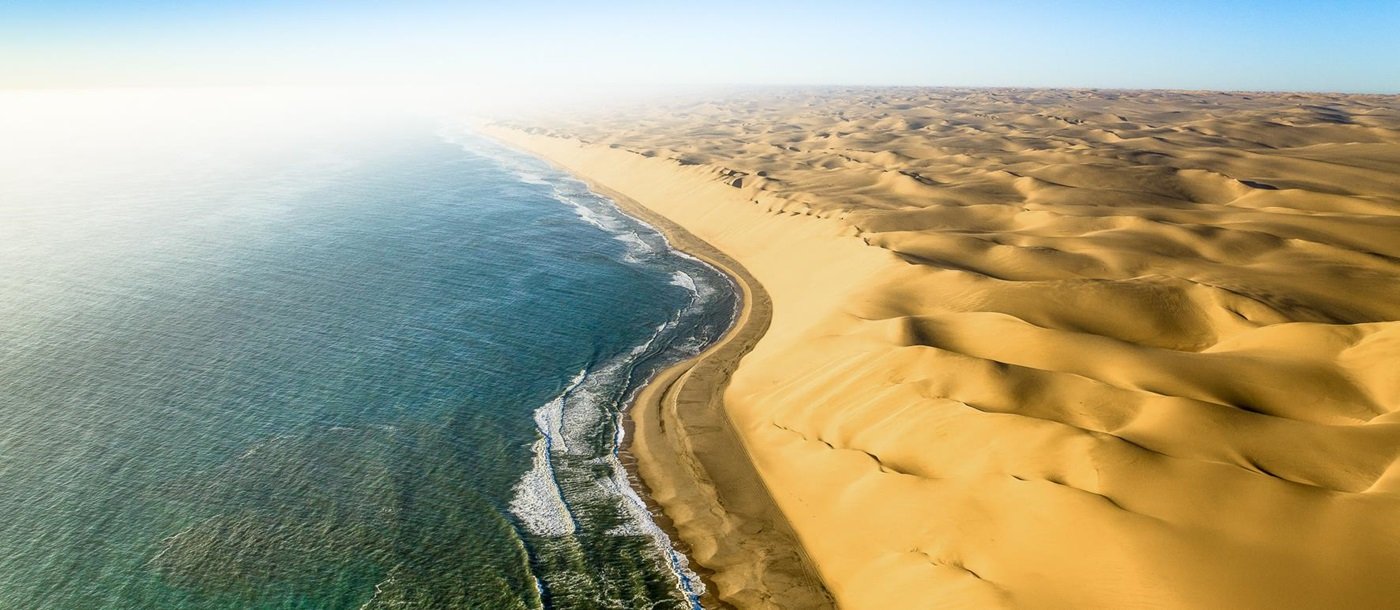

In the far reaches of southwestern Africa lies one of the planet’s most hauntingly beautiful landscapes — Namibia’s Skeleton Coast. Desolate yet captivating, this stretch of coastline is a place where the desert meets the sea, where fog rolls in from the Atlantic to embrace endless dunes, and where silence speaks louder than any sound. Known as “the land God made in anger,” it is, paradoxically, one of the most soul-stirring destinations on Earth.
The Skeleton Coast owes its name to the countless shipwrecks that dot its shores — rusting remains of vessels swallowed by thick fog and treacherous currents. Their skeletal frames stand half-buried in sand, a reminder of both human fragility and nature’s dominance. As I drove along the rough tracks leading north from Swakopmund, the air grew cooler and saltier, and soon, the dunes gave way to ocean waves crashing with relentless rhythm.
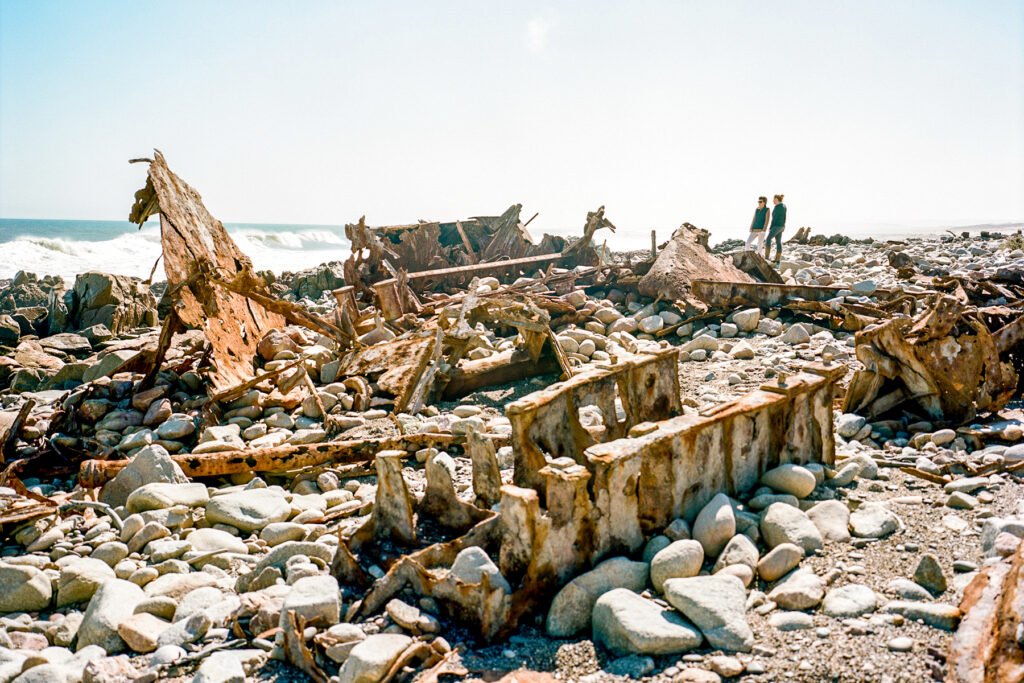
The feeling of isolation here is profound. The horizon stretches endlessly, broken only by the ghostly silhouettes of wrecks like the Eduard Bohlen, which now lies stranded hundreds of meters inland — a surreal sight that perfectly embodies the coast’s shifting sands. Standing before it, I felt as though I were staring at a time capsule swallowed by the desert.
But the Skeleton Coast is far more than a graveyard of ships. It’s a living wilderness, teeming with unexpected life. The cold Benguela Current, which sweeps northward along the coast, fuels a rich marine ecosystem. Offshore, seals, dolphins, and whales thrive, while inland, desert-adapted animals — from brown hyenas to jackals and even elephants — have learned to survive in this harsh environment. Visiting Cape Cross, home to one of the world’s largest Cape fur seal colonies, was unforgettable. The sight — and sound — of thousands of seals lounging, barking, and splashing in the surf was pure chaos and charm combined.
Further north, the journey becomes an expedition into silence. The sand glows gold in the afternoon light, sculpted into rippling dunes by the wind. My guide pointed out the delicate tracks of geckos and beetles — tiny reminders that even here, life persists. Nights on the Skeleton Coast are something else entirely. With no cities for hundreds of kilometers, the sky erupts in stars. The Milky Way stretched overhead like a celestial river, and the only sound was the faint whisper of the ocean breeze. It’s the kind of stillness that humbles you — the world reduced to sky, sand, and self.
A highlight of my journey was a scenic flight over the coastline — a breathtaking way to grasp the vastness of this wild land. From above, the desert’s dunes appeared like waves frozen in motion, and the Atlantic shimmered in deep blue contrast. The remains of wrecks, seal colonies, and even the occasional elephant could be spotted from the air. The aerial view reveals the Skeleton Coast’s true paradox — a landscape both lifeless and full of life, brutal yet breathtakingly beautiful.
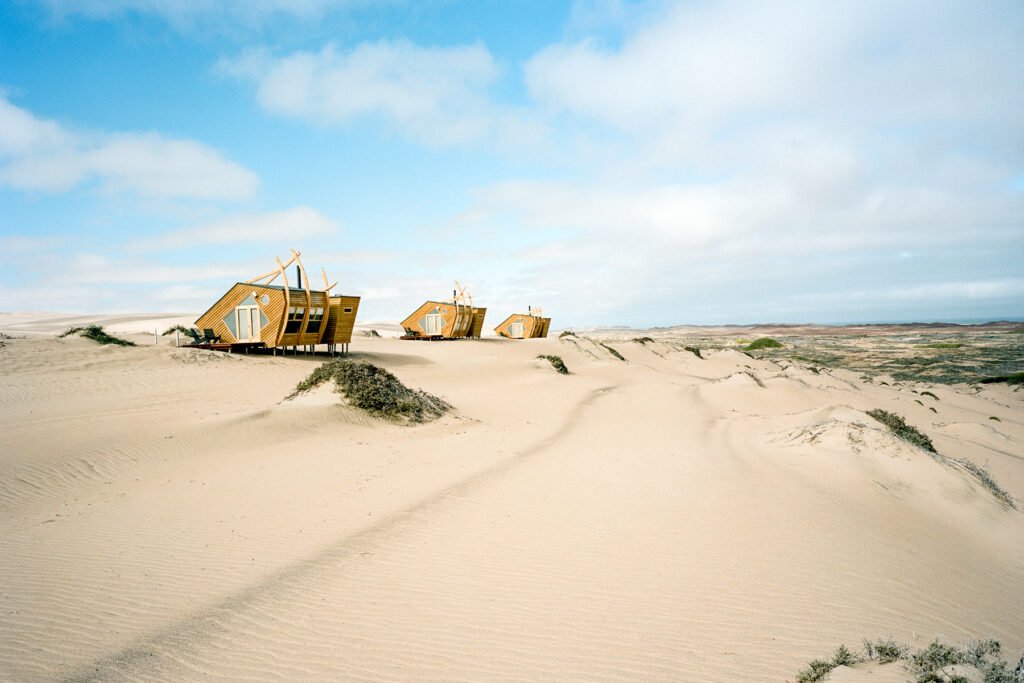
Further inland lies Damaraland, where rugged mountains rise from desert plains, and ancient San rock engravings tell stories from thousands of years ago. The region’s shifting colors — ochre, bronze, and dusty rose — seem to glow under the African sun. Staying in a remote lodge built into the rocks, I watched the evening light paint the land in gold before darkness settled, carrying the soft call of distant wildlife.
What makes the Skeleton Coast so special isn’t just its scenery — it’s the feeling it evokes. It’s a place that strips away noise and distraction, leaving only awe. It reminds you that nature doesn’t need to be lush or gentle to be magnificent. Its beauty lies in its emptiness, its strength in its silence.
As I left, a fog rolled in from the ocean, swallowing the dunes behind me. The landscape disappeared as suddenly as it had appeared — a ghost retreating into the mist. The Skeleton Coast may be one of Earth’s loneliest places, but its silence lingers long after you leave, a whisper of wind and sand echoing in memory.