







Hydrogen is rapidly emerging as a critical player in the global shift toward clean energy. As the most abundant element in the universe, hydrogen has vast potential—not just as a fuel, but as a transformative force across industries. Recent innovations are pushing hydrogen from theoretical promise to real-world application. Here’s a look at the most exciting advancements in hydrogen technology that you should be aware of.
1. Green Hydrogen Production: Cleaner Than Ever
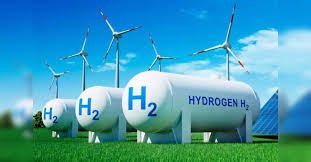
One of the biggest challenges in hydrogen energy has been producing it sustainably. Traditional methods often rely on fossil fuels (like natural gas), resulting in “gray hydrogen” with a large carbon footprint. However, new developments in green hydrogen—produced by splitting water via electrolysis using renewable electricity—are changing the game.
Innovations include:
- PEM (Proton Exchange Membrane) Electrolyzers: More efficient and compact than traditional alkaline electrolyzers.
- Solid Oxide Electrolyzers: Offering high efficiency by operating at elevated temperatures.
- Solar-thermal and photoelectrochemical methods: Using sunlight directly to split water without the need for grid power.
These advances are making green hydrogen more cost-competitive, driving rapid adoption in Europe, Asia, and parts of the U.S.
2. Hydrogen Fuel Cells for Heavy Transport
While electric batteries are dominant in passenger vehicles, hydrogen fuel cells are gaining momentum in long-haul trucking, buses, trains, and even ships. Why? Fuel cells offer longer range and faster refueling—key for large vehicles that can’t afford long charging times.
Notable innovations:
- Hydrogen-powered trains (like Alstom’s Coradia iLint in Germany) are already operational.
- Hydrogen-powered ships and ferries are under development, with Norway and South Korea leading the charge.
- Next-gen fuel cells from companies like Toyota, Hyundai, and Nikola are improving power density and lifespan, helping overcome previous limitations.
3. Hydrogen Aviation: Zero-Emission Flights
The aviation industry is responsible for a significant share of global emissions. Hydrogen-powered aircraft are being seen as a viable path to decarbonize air travel.
Key players:
- Airbus has revealed plans for hydrogen-powered commercial aircraft by 2035 under its ZEROe project.
- Startup ZeroAvia has already flown hydrogen-electric planes for short-range flights.
- New cryogenic storage technologies are being developed to efficiently store hydrogen on board aircraft, addressing a major technical hurdle.
4. Hydrogen Storage and Transport Breakthroughs
Hydrogen is tricky to store and transport because of its low density and tendency to leak. But recent breakthroughs are addressing these challenges:
- Liquid organic hydrogen carriers (LOHCs): Allow hydrogen to be bonded with liquid compounds for safer transport.
- Solid-state hydrogen storage: Using metal hydrides or porous materials to trap hydrogen atoms.
- Cryo-compression and advanced tank materials: Making it easier and safer to store hydrogen under high pressure or at low temperatures.
These developments are crucial for building a scalable hydrogen economy.
5. Hydrogen for Industrial Decarbonization
Heavy industries—like steelmaking, cement, and chemicals—are some of the hardest to decarbonize. Hydrogen is proving to be a key solution.
Recent progress:

- Green steel production using hydrogen instead of coal is already underway in Sweden with projects like HYBRIT.
- Ammonia and fertilizer production using green hydrogen instead of gray or blue variants.
- Pilot plants for hydrogen-based cement processes are being tested, offering hope for cleaner construction.
6. Hydrogen Blending in Natural Gas Grids
Some utilities are beginning to blend hydrogen with natural gas in existing pipelines—usually at levels of 10–20%. This reduces carbon emissions from heating and cooking without the need to completely overhaul infrastructure.
Though still in testing phases in most countries, this blending approach could serve as a transitional method while full hydrogen infrastructure develops.
7. National Hydrogen Strategies and Global Investment
Governments are investing heavily in hydrogen infrastructure. Noteworthy developments include:
- The EU’s Hydrogen Strategy aims to produce 10 million tons of green hydrogen by 2030.
- Japan and South Korea are leading in hydrogen vehicle deployment and fueling stations.
- The U.S. Hydrogen Hubs initiative is funding regional hubs to support hydrogen production, transport, and usage.
Private investment is following, with companies like BP, Shell, and Tesla-adjacent ventures entering the hydrogen race.
A Future Fueled by Hydrogen?
Hydrogen is no longer a fringe idea—it’s a pillar of the global clean energy transition. From aviation and shipping to heavy industry and national power grids, hydrogen innovations are opening up new possibilities across the economy. While challenges remain—particularly around infrastructure, cost, and efficiency—ongoing breakthroughs are pushing hydrogen into the mainstream.
If you’re interested in sustainability, technology, or energy innovation, hydrogen is one trend you can’t afford to ignore.