





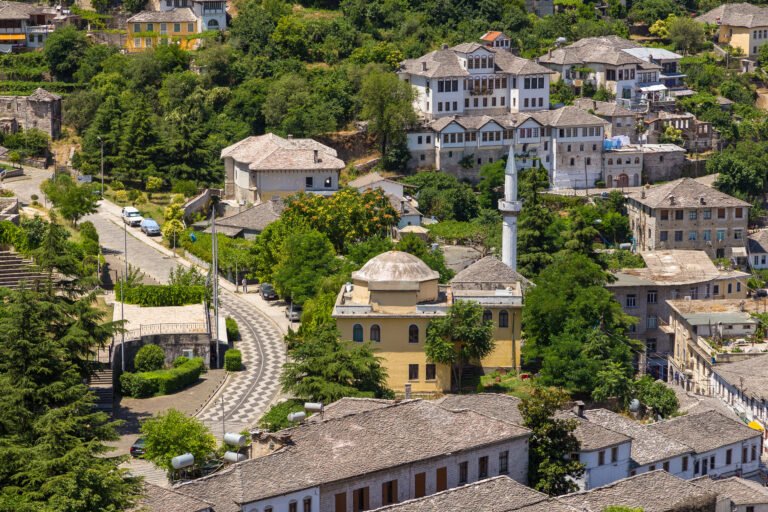

Hidden in southern Albania, Gjirokastër is a destination that feels like stepping into another era. Known as the “City of Stone,” this UNESCO World Heritage site is celebrated for its dramatic Ottoman-era architecture, cobbled streets, and mountain-framed landscapes. For travelers searching for a destination rich in culture, history, and authenticity, Gjirokastër offers an unforgettable experience away from crowded tourist routes.
The first thing that captures attention in Gjirokastër is its architecture. Stone houses with slate roofs cascade down the hillside, creating a striking and cohesive cityscape. These traditional tower houses were built centuries ago and designed for both family life and defense. Walking through the old town feels like moving through a living museum, where history is not hidden behind glass but woven into daily life.
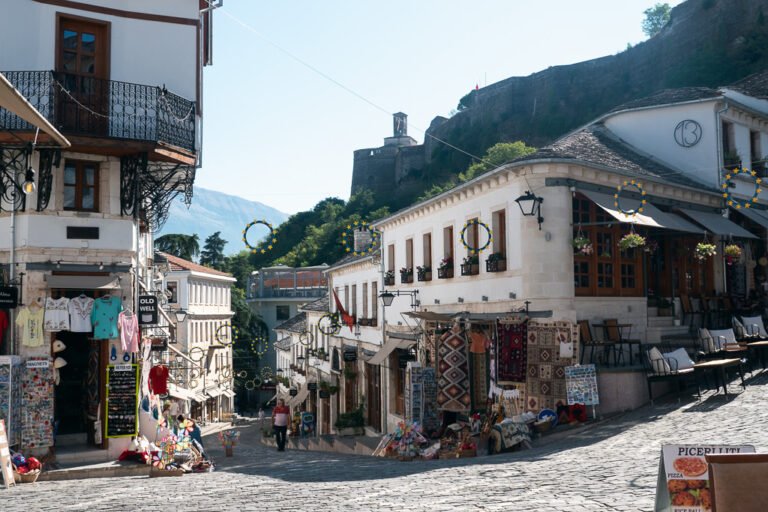
At the heart of the city stands Gjirokastër Castle, an imposing fortress that dominates the skyline. Perched high above the town, the castle offers panoramic views of the Drino Valley and surrounding mountains. Inside, visitors can explore courtyards, tunnels, and museums that reveal Albania’s complex past, including periods of occupation, resistance, and transformation. The castle is also a cultural venue, hosting festivals and events that bring history into the present.
Gjirokastër’s streets are an experience in themselves. The old bazaar area, with its narrow stone pathways and arched shopfronts, invites slow exploration. Small artisan shops sell handmade crafts, embroidered textiles, and locally produced goods. Cafés and teahouses tucked along the streets provide perfect spots to rest, observe local life, and enjoy traditional Albanian hospitality.
Food is an essential part of discovering Gjirokastër. The local cuisine reflects the region’s agricultural roots and Mediterranean influences. Dishes are simple yet flavorful, often made with fresh vegetables, herbs, cheese, and meat. Travelers should try specialties such as qifqi—rice balls seasoned with herbs and baked rather than fried—or slow-cooked stews served with homemade bread. Dining in family-run restaurants offers not just a meal, but a warm and personal cultural exchange.
Culture and storytelling are deeply embedded in Gjirokastër’s identity. The city is the birthplace of renowned Albanian writer Ismail Kadare, whose works often draw inspiration from the region’s history and atmosphere. Visiting his former home, now a museum, provides insight into how place and memory shape creativity. Literature, folklore, and oral history remain important parts of local culture, passed down through generations.
Nature lovers will also find much to enjoy in and around Gjirokastër. The surrounding countryside features rolling hills, rivers, and mountain landscapes ideal for hiking and exploration. Short trips from the city lead to traditional villages, ancient ruins, and natural springs. These quieter surroundings offer a peaceful contrast to urban travel and reveal the rural rhythms of southern Albania.
What makes Gjirokastër particularly appealing is its authenticity. Tourism here feels respectful and unhurried. Locals go about their daily routines, children play in the streets, and elders gather to talk and observe the world around them. Travelers are welcomed not as spectators, but as guests curious to learn and listen.
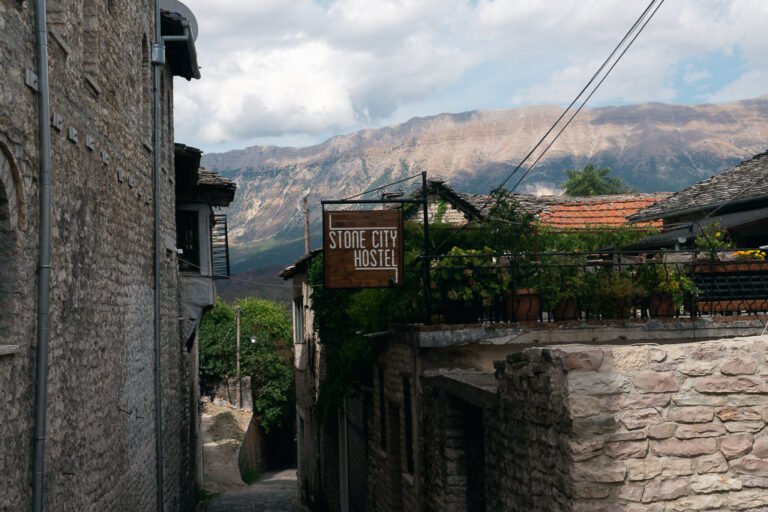
Gjirokastër also represents a bridge between past and present. While deeply rooted in tradition, the city is slowly embracing modern creativity through cultural events, small guesthouses, and local initiatives aimed at preserving heritage. This balance ensures that Gjirokastër remains alive rather than frozen in time.
For travelers seeking a destination with character, depth, and soul, Gjirokastër stands out. It offers history carved in stone, stories whispered through narrow streets, and moments of quiet connection that linger long after the journey ends. In discovering Gjirokastër, travelers don’t just visit a place—they step into a story still being written.