






Tucked away in the Austrian Alps lies one of Europe’s most awe-inspiring natural wonders — Liechtensteinklamm. This magnificent gorge, near the picturesque town of St. Johann im Pongau in Salzburg, is a destination that seems to belong to another world. With its roaring waterfalls, moss-covered cliffs, and narrow pathways winding through ancient stone, Liechtensteinklamm invites travelers into an enchanting landscape carved by time itself.
A Natural Marvel Shaped by Centuries
The name “Liechtensteinklamm” combines “Liechtenstein,” after Prince Johann II of Liechtenstein who funded the gorge’s opening to the public in 1875, and “Klamm,” meaning “gorge” in German. Over thousands of years, the Großarler Ache River has relentlessly carved its way through solid rock, forming one of the deepest and most dramatic gorges in the Alps. Today, the gorge stretches nearly four kilometers long and plunges up to 300 meters deep — a true testament to nature’s patience and persistence.
From the moment you enter, the atmosphere shifts. The air turns cooler and damper, filled with the rhythmic sound of rushing water echoing off the steep, narrow walls. Light filters down through the mist in golden shards, illuminating the glistening rock and mossy ledges. It feels like stepping into a natural cathedral — one sculpted by water, wind, and time.
Walking Through the Heart of the Gorge
The wooden pathways and bridges that snake through the gorge are both thrilling and safe, allowing visitors to get close to the raw beauty of the cliffs and waterfalls. Each twist and turn of the trail offers a new perspective: a hidden waterfall here, a glimmer of turquoise water there. The sense of scale is humbling — towering rock walls seem to touch the sky, and yet the narrow walkways feel intimate, like a secret passage into the earth.
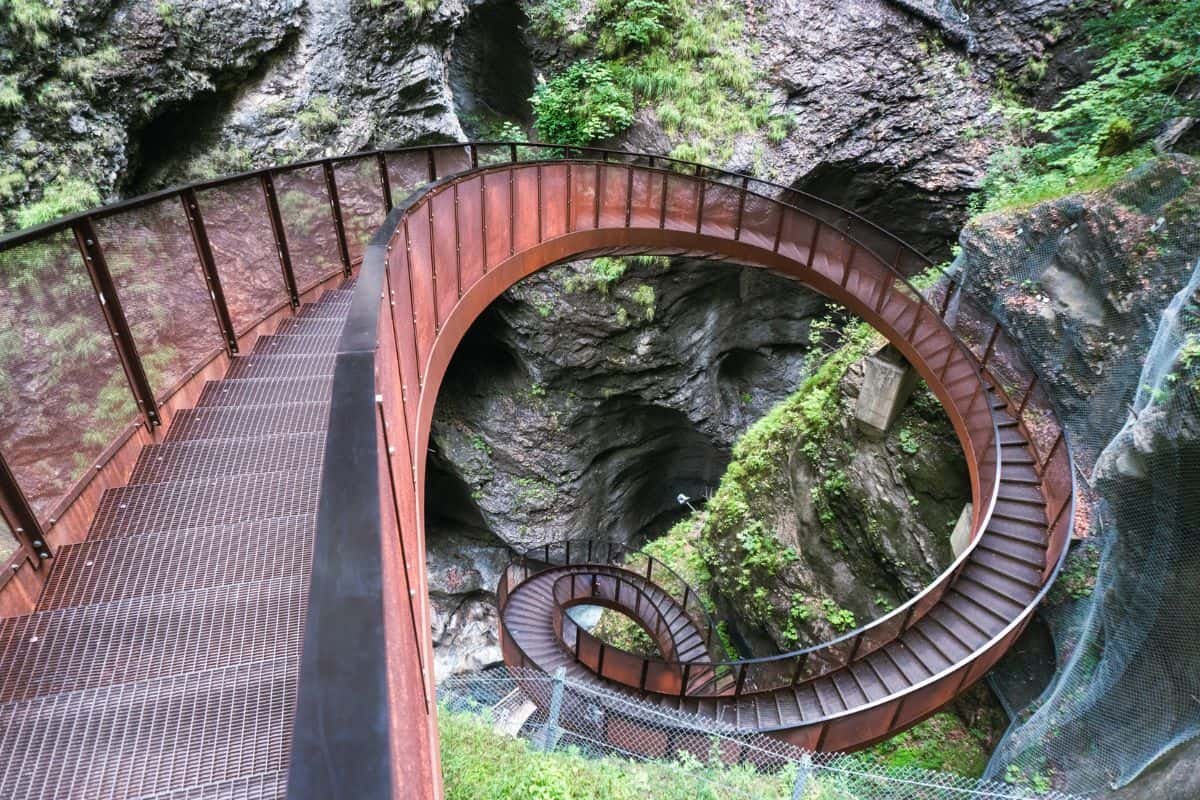
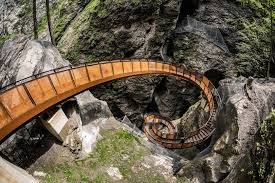
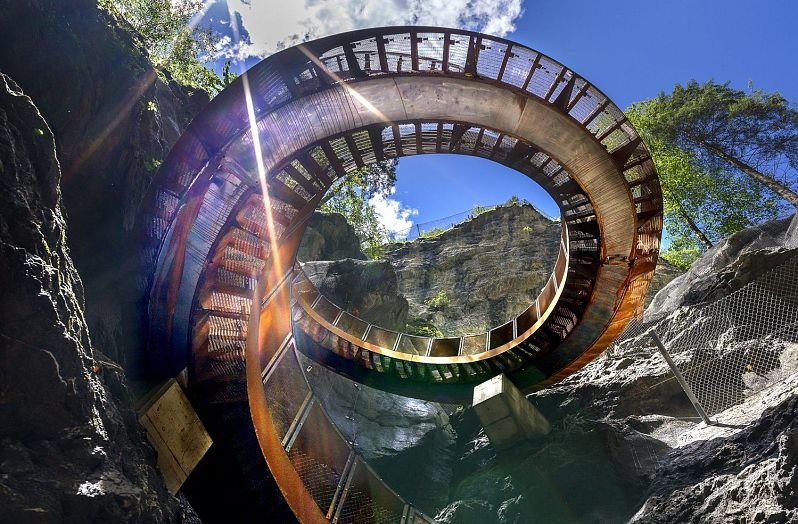
A highlight for many visitors is the majestic waterfall at the end of the gorge, which crashes dramatically into the depths below. The sound reverberates through the canyon, mingling with the cool mist that gently envelops you. In 2020, after several years of restoration work, Liechtensteinklamm reopened with improved safety features and a new architectural wonder — a spiral staircase called the “Helix.” This modern, steel spiral winds elegantly along the rock, offering visitors breathtaking views and a dynamic new way to experience the gorge’s grandeur.
A Place of Serenity and Wonder
While Liechtensteinklamm is known for its power and spectacle, it’s also a place of deep serenity. The sound of water rushing past, the cool alpine air, and the play of light and shadow create a meditative experience that feels far removed from the rush of modern life. It’s a reminder of how humbling and healing nature can be when experienced up close.
Beyond the gorge, the surrounding Salzburg region offers endless opportunities for adventure. The nearby town of St. Johann im Pongau is an ideal base, with cozy alpine lodges, local restaurants, and easy connections to other natural attractions. Hikers and cyclists can explore trails through the valleys and meadows, while winter transforms the area into a snowy wonderland for skiing and snowboarding.
Tips for Visiting Liechtensteinklamm
- Location: St. Johann im Pongau, Salzburg, Austria
- Season: Open from May to October, when snowmelt swells the river and conditions are safest.
- Duration: Allow 1–2 hours to fully explore the gorge and enjoy the walk.
- Accessibility: The trail is well maintained but includes stairs and narrow sections, so it’s best suited for moderate fitness levels.
- Photography Tip: Visit in the morning or late afternoon for the best natural light streaming through the gorge.
A Hidden Jewel of the Alps
Liechtensteinklamm isn’t just a tourist attraction — it’s a journey into the very heart of nature. Each droplet of water, each weathered rock face, tells a story that spans centuries. For travelers looking to connect with the raw, untamed beauty of the Austrian Alps, this gorge offers an experience that’s both thrilling and peaceful.
As you emerge from the canyon and look back at the narrow passage disappearing into the cliffs, you’ll understand why Liechtensteinklamm continues to capture the imagination of visitors from around the world. It’s not only one of Austria’s greatest natural treasures — it’s a place where the Earth itself seems alive, whispering the timeless secrets of water and stone.