




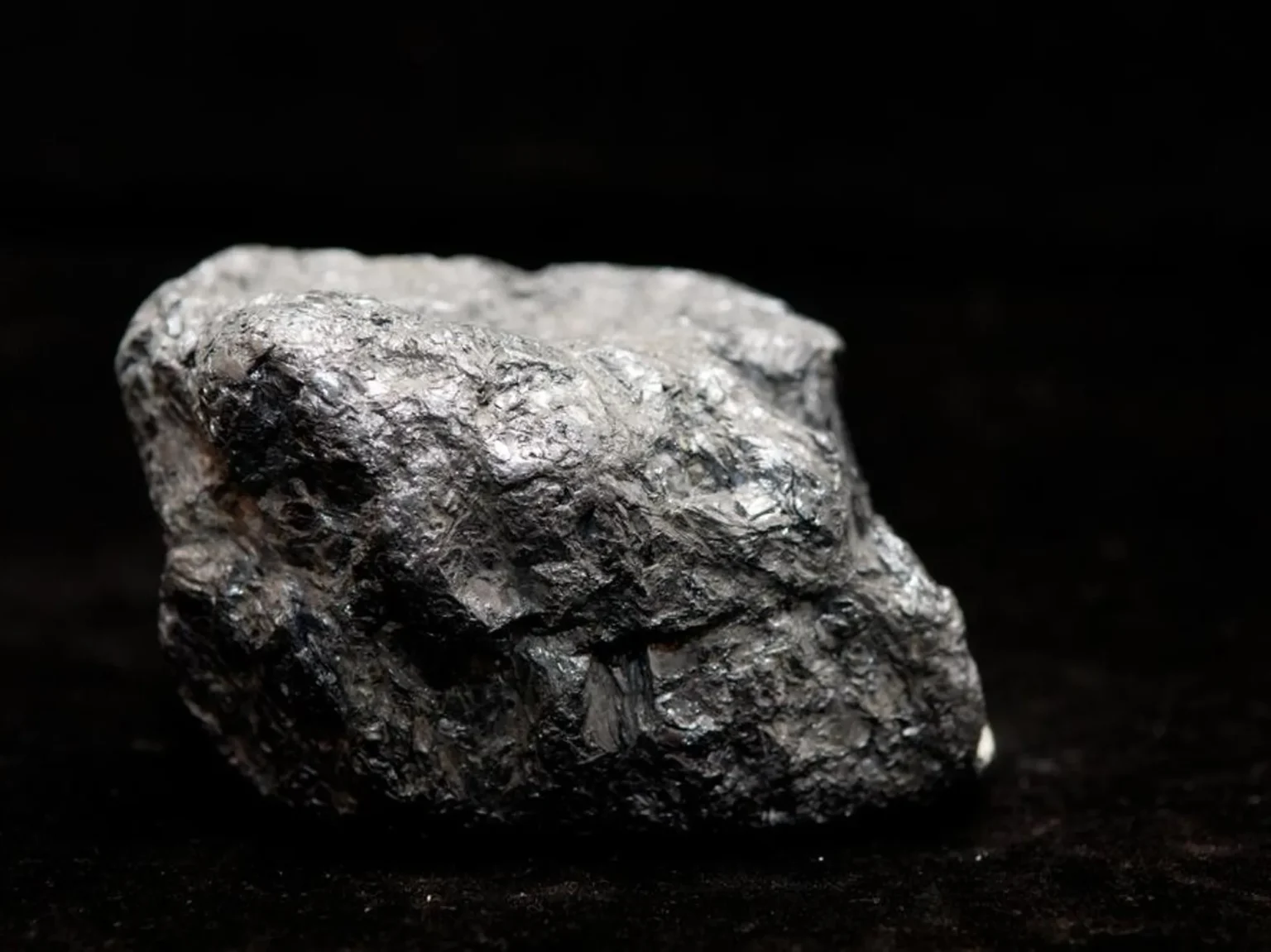

Rare earth elements (REEs) may sound obscure, but they are the lifeblood of modern technology. These 17 metallic elements — including neodymium, dysprosium, and terbium — power everything from smartphones and electric vehicles to wind turbines and defense systems. As the global demand for green energy and advanced electronics grows, control over rare earth reserves has become a matter of both economic and geopolitical importance. So, which countries hold the world’s largest reserves of these valuable resources? Let’s explore the global leaders shaping the future of the rare earth industry.
1. China
China is by far the dominant player in the rare earth sector, both in production and reserves. With an estimated 44 million metric tons of REE reserves, the country accounts for nearly 40% of the world’s total. Inner Mongolia’s Bayan Obo Mine is the largest rare earth deposit on Earth.
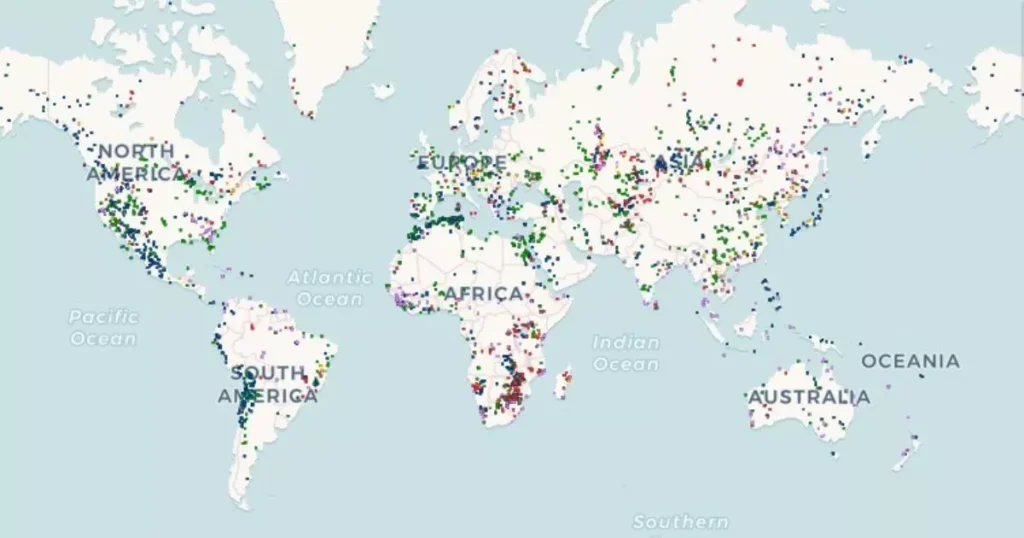
Over the decades, China has built a near-monopoly on the global rare earth supply chain — from mining and refining to manufacturing. This dominance gives China significant leverage in high-tech industries, including electric vehicles, renewable energy, and defense technology. However, growing environmental concerns and stricter export policies have recently pushed other countries to diversify their supply sources.
2. Vietnam
Vietnam ranks second, with approximately 22 million metric tons of rare earth reserves. The country’s northern regions, particularly Lai Châu and Lào Cai, contain rich deposits of critical minerals.
In recent years, Vietnam has emerged as a key alternative to China, attracting major investments from Japan, South Korea, and the United States. With strong government support and global partnerships, Vietnam aims to become a sustainable and reliable supplier of rare earth materials for the international market.
3. Brazil
Brazil boasts around 21 million metric tons of rare earth reserves, mainly located in the states of Minas Gerais, Goiás, and Bahia. While Brazil has not yet fully developed its extraction and refining capacity, it has enormous potential to become a major global supplier.
Its vast geological diversity and resource-rich land give it an edge, and the Brazilian government has been increasingly focused on developing a strategy to balance environmental protection with industrial growth in this sector.
4. Russia
Russia holds roughly 12 million metric tons of rare earth reserves, making it one of the most resource-rich nations in the world. The Lovozero and Kola Peninsula deposits are among its most significant.
However, geopolitical tensions and economic sanctions have slowed down investment and technological partnerships. Despite this, Russia continues to expand its domestic production capacity to support its growing aerospace and defense industries.
5. India
India possesses around 6.9 million metric tons of rare earth reserves, primarily along its coastal regions — especially in Kerala, Tamil Nadu, and Odisha. Much of India’s rare earth potential lies in its monazite-rich beach sands, which also contain thorium, a potential nuclear fuel.
India is increasingly recognizing the strategic importance of rare earths and is seeking to strengthen its extraction and processing capabilities. Government initiatives aim to partner with private and international companies to boost production while maintaining environmental safeguards.
6. Australia
Australia is another significant player, with around 4.2 million metric tons of reserves. The Mount Weld Mine in Western Australia, operated by Lynas Rare Earths, is one of the world’s richest and most active rare earth mines outside China.
Australia’s stable political environment and transparent regulations make it a trusted supplier for countries seeking alternatives to Chinese dominance. Its mining industry is also at the forefront of sustainable and ethical resource extraction practices.
7. United States
The U.S. holds about 2.3 million metric tons of rare earth reserves, primarily concentrated in the Mountain Pass Mine in California. Once the world’s leading producer, the U.S. lost ground to China in the 1990s but has since been working to rebuild its supply chain.
The American government has designated rare earths as “critical minerals,” and initiatives are underway to expand domestic mining and develop refining infrastructure to reduce dependence on imports — especially from China.
8. Greenland
Greenland, though not yet a major producer, is estimated to have 1.5 million metric tons of untapped rare earth reserves. Its Kvanefjeld deposit is one of the largest undeveloped REE resources in the world.
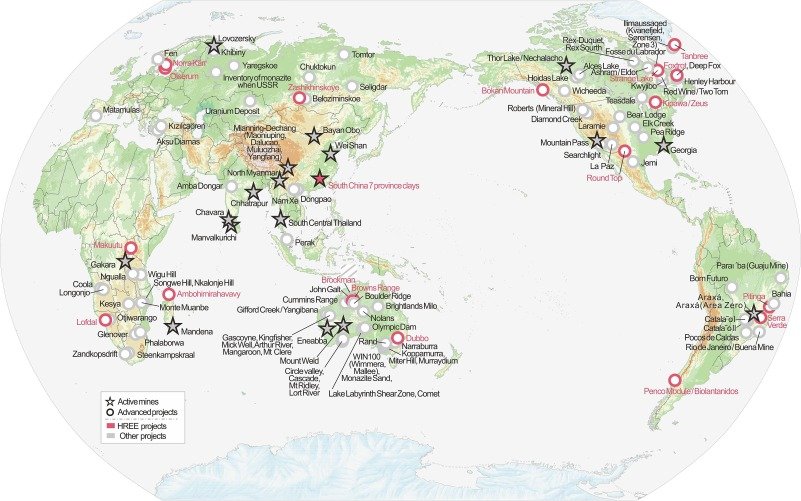
The island’s strategic location and mineral wealth have attracted global interest, particularly from Western nations seeking secure and sustainable rare earth sources. However, environmental and political debates continue around mining operations in the fragile Arctic ecosystem.
Global Outlook: A Race for Resources
As the transition to clean energy accelerates, rare earth elements are becoming as strategically important as oil once was. Nations are racing to secure reliable supplies for electric vehicles, wind turbines, and defense applications. While China still dominates, the emergence of Vietnam, Brazil, and Australia signals a shift toward a more diversified and sustainable global market.
The future of rare earths will depend not only on who controls the reserves but also on who can refine, recycle, and innovate in this critical industry. Sustainable mining, responsible sourcing, and international cooperation will be key to ensuring that these vital elements power progress — without costing the planet.