





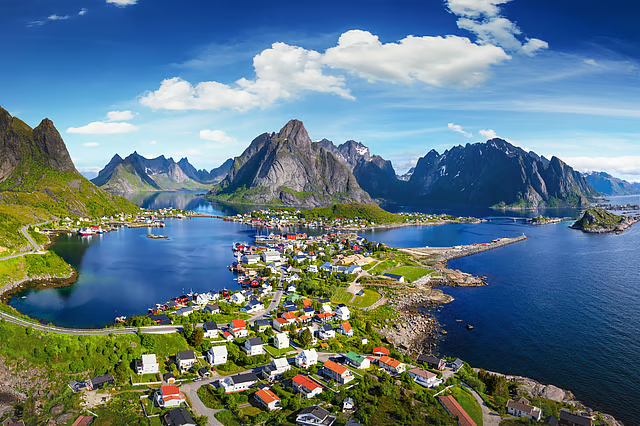

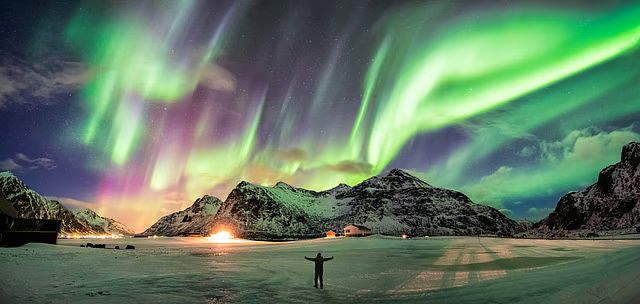
Rising dramatically from the icy waters of the Norwegian Sea, the Lofoten Islands are often praised for their sharp peaks, red fishing cabins, and northern lights. But beyond the famous viewpoints lies a quieter world filled with hidden beaches, peaceful fishing villages, and landscapes that feel almost untouched by time. Travelers who venture off the main routes discover a side of Lofoten that feels deeply personal — a collection of secret corners where nature still takes the lead.
Secret Beaches and Silent Shores
While many visitors flock to well-known coastal spots, Lofoten hides countless lesser-known beaches that reward those willing to explore. Small coves with powdery white sand and turquoise water appear between rugged cliffs, often empty except for seabirds and drifting waves. Some beaches require a short hike across grassy hills or rocky paths, adding a sense of adventure before the peaceful reward.
These remote shorelines feel surreal — tropical-looking sands contrasted with Arctic mountains. During summer, the midnight sun paints the sky in golden hues, creating a soft glow that lasts for hours. In winter, waves crash against snow-covered rocks, turning the coastline into a dramatic, moody landscape perfect for photographers.
The quiet of these hidden beaches invites reflection. Sitting alone by the water, surrounded by towering peaks and endless sea, offers a rare sense of calm that’s hard to find in more crowded travel destinations.
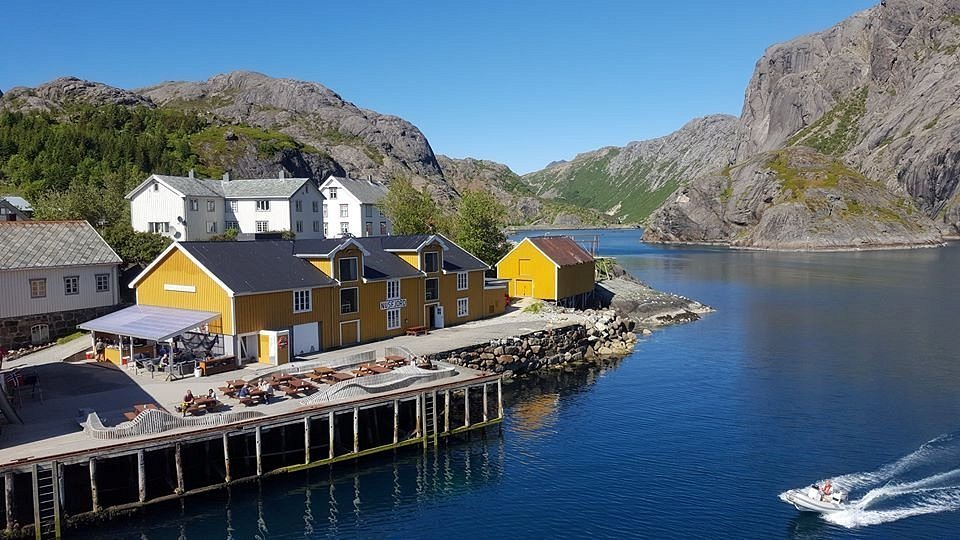
Beyond the postcard-perfect towns lie smaller villages where traditional Arctic life continues much as it has for generations. In quiet harbors, colorful wooden cabins — known as rorbuer — sit on stilts above the water. Fishing boats gently sway in the docks, and locals share stories shaped by the sea’s rhythm.
Villages like Nusfjord and Henningsvær reveal authentic slices of Norwegian coastal culture. Here, visitors can learn about centuries-old cod fishing traditions, taste freshly caught seafood, and observe daily life unfolding without the rush of larger tourist hubs.
Walking through these villages feels like stepping into a living museum — wooden racks filled with drying fish, narrow alleys lined with art galleries, and cozy cafés tucked into colorful cabins. Each harbor tells a story of resilience, community, and the powerful connection between people and nature.