






For years, food has been one of the main reasons people travel. We plan itineraries around famous restaurants, viral cafés, and must-try local dishes. But in 2026, travelers are moving beyond simple tastings and guided food tours. A new trend is taking over: culinary immersion trips — journeys where food isn’t just sampled, it’s lived.
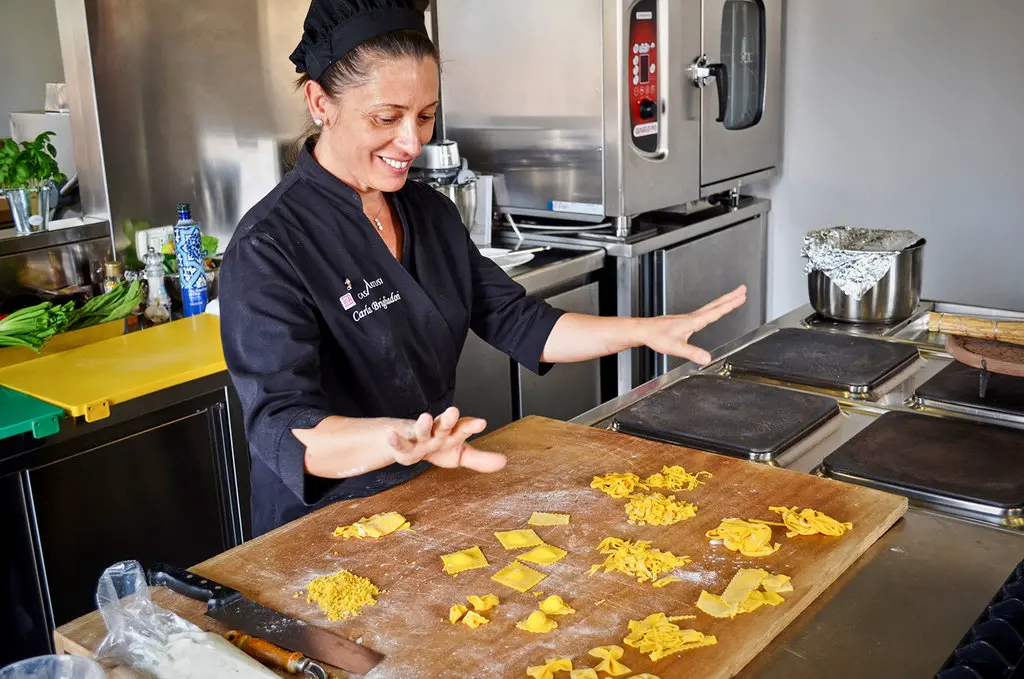
Instead of snapping a photo of a beautifully plated dish and moving on, travelers now want to knead the dough, stir the sauce, harvest the vegetables, and understand the story behind every bite.
What Is a Culinary Immersion Trip?
A culinary immersion trip goes deeper than a typical food-focused vacation. It involves hands-on experiences that connect travelers to local culture through cooking, farming, and traditional food preparation.
These trips often include:
- Cooking classes in family homes
- Farm stays with seasonal harvesting
- Market tours with local chefs
- Traditional food preservation workshops
- Learning ancestral recipes passed down generations
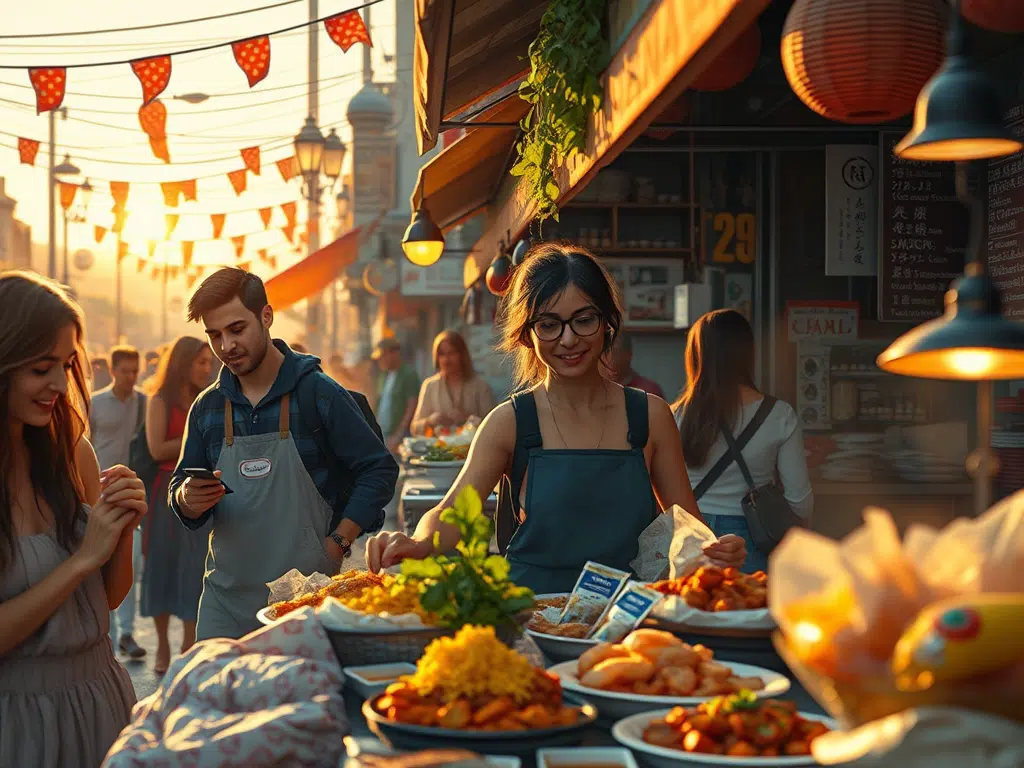
It’s not about luxury dining alone — it’s about authenticity and participation.
From Tourist to Temporary Local
The biggest shift in travel today is the desire to experience destinations like a local. Food naturally becomes the gateway.
When you wake up early to visit a village market, negotiate prices in a different language, or learn why a certain spice blend is sacred to a region, you gain cultural insight that no sightseeing tour can offer.
In Italy, you might spend a week mastering fresh pasta techniques in a countryside villa. In Thailand, you could learn how to balance sweet, sour, salty, and spicy flavors using herbs picked that morning. In Mexico, you might grind corn by hand to make traditional tortillas.
These are not staged experiences — they are everyday rituals shared with visitors.
The Rise of Slow Food Travel
Culinary immersion trips align closely with the broader “slow travel” movement. Instead of rushing through multiple cities, travelers stay longer in one place, allowing time to learn and connect.
Food preparation requires patience. Fermentation takes days. Bread baking takes hours. Traditional sauces may simmer slowly over wood fires. Immersion trips embrace this rhythm.
By slowing down, travelers gain appreciation for the labor, history, and emotion behind each dish.
Sustainability and Farm-to-Table Awareness
Another reason culinary immersion travel is growing is the global focus on sustainability.
Many trips now include:
- Organic farm stays
- Farm-to-table dining experiences
- Fishing excursions with local communities
- Lessons in seasonal cooking
Travelers want to understand where their food comes from and how it impacts the environment. Harvesting olives, collecting eggs, or learning about regenerative agriculture builds awareness that extends beyond the trip.
Food becomes a lens to understand climate, culture, and community.
A Social and Emotional Experience
Food has always brought people together. Culinary immersion trips amplify this connection.
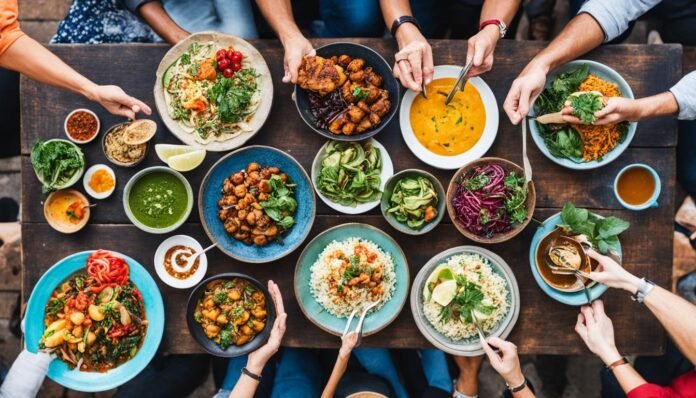
Sharing meals around long communal tables creates instant bonds between strangers. Cooking together breaks language barriers. Even simple acts — chopping vegetables side by side — build friendships.
For solo travelers, these trips provide structured social interaction. For couples or families, they offer meaningful shared activities.
The memories created aren’t just about taste — they’re about laughter, stories, and human connection.
Learning a Skill, Not Just Collecting Photos
Unlike many vacations that focus on sightseeing, culinary immersion trips leave you with a tangible skill.
You return home knowing how to make authentic dishes, recreate spice blends, or prepare traditional desserts. Each time you cook that recipe again, you revisit the trip.
Food becomes a souvenir that never fades.
Wellness Through Food
There’s also a growing connection between culinary travel and wellness. Travelers are increasingly interested in:
- Mediterranean diet principles
- Ayurvedic cooking traditions
- Plant-based cuisine workshops
- Fermentation for gut health
These experiences combine travel, education, and personal well-being.
Why This Trend Is Here to Stay
Culinary immersion trips reflect a broader shift in travel priorities. People are no longer satisfied with surface-level experiences. They want meaning, interaction, and growth.
Food is universal, emotional, and deeply cultural. It tells stories of migration, tradition, survival, and celebration. When travelers step into a kitchen instead of a restaurant queue, they move closer to those stories.
In a world where destinations can feel crowded and over-photographed, culinary immersion offers something rare: intimacy.
It transforms travel from passive consumption into active participation.
And perhaps that’s why this trend resonates so strongly. Because when you truly learn how a culture eats, you begin to understand how it lives.
In the end, culinary immersion trips are not just about tasting the world — they’re about becoming part of it, one shared meal at a time.