






Few natural events on Earth rival the scale, drama, and beauty of the wildebeest migration. Often called the “Great Migration,” this extraordinary journey sees over a million wildebeest, joined by hundreds of thousands of zebras and gazelles, move across the vast plains of East Africa in a continuous search for fresh grass and water. More than just a wildlife spectacle, the migration is a powerful reminder of nature’s rhythm and resilience.
What Is the Wildebeest Migration?
The wildebeest migration is a year-round cycle that takes place primarily between Tanzania’s Serengeti National Park and Kenya’s Maasai Mara Reserve. Unlike migrations with a clear start and end, this one follows rainfall patterns. The herds move in a large circular route, guided by instinct, survival, and the promise of nourishment.
At its heart, the migration is about life. Wildebeest travel hundreds of kilometers to find grazing land, give birth to their young, and avoid predators. Every step of the journey is filled with tension, movement, and breathtaking scenes that have captivated explorers, photographers, and nature lovers for generations.
The Annual Cycle of the Migration
The migration unfolds in phases throughout the year. Early in the year, the herds gather in the southern Serengeti, where nutrient-rich grass supports calving season. In a short span of weeks, hundreds of thousands of calves are born, creating one of the most remarkable baby booms in the animal kingdom.
As the dry season approaches, the herds begin moving northwest through the Serengeti. By mid-year, they reach the northern regions, where one of the most dramatic moments occurs—the river crossings. Crossing crocodile-filled rivers is perilous, yet necessary, and these crossings have become some of the most iconic images of African wildlife.
Toward the end of the dry season, the herds enter the Maasai Mara in Kenya, where fresh grass awaits. When the rains return to the south, the cycle begins again, and the animals gradually move back toward the Serengeti.
A Battle for Survival
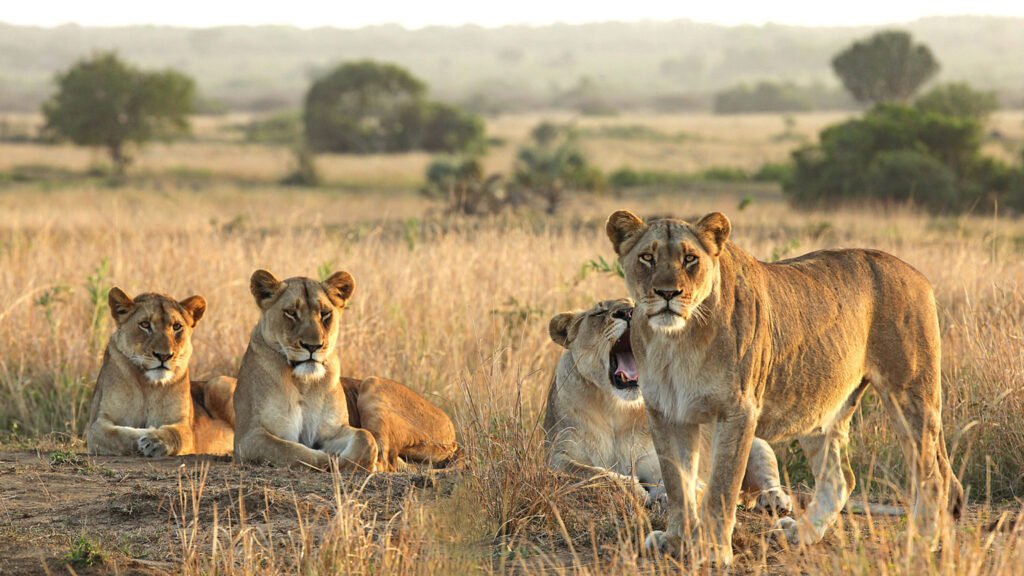
The Great Migration is not just a journey; it is a constant test of survival. Predators such as lions, cheetahs, hyenas, and crocodiles closely follow the herds, taking advantage of moments of weakness. River crossings are especially dangerous, with strong currents and lurking predators claiming many lives.
Yet this harsh reality is part of what makes the migration so powerful. It highlights the delicate balance of ecosystems, where every species plays a role. Despite the risks, the herds persist, driven by instinct and the need to survive.
Why the Migration Matters
Beyond its visual spectacle, the wildebeest migration is essential to the health of the ecosystem. As the herds move, they graze grasslands evenly, fertilize the soil, and support predator populations. This natural cycle maintains biodiversity and ensures the long-term sustainability of the region.
The migration also plays a vital role in local economies. Safari tourism provides livelihoods for communities while encouraging conservation efforts. Protecting migration routes and habitats is crucial to preserving this natural wonder for future generations.
Best Time to Experience the Migration
There is no single “best” time to witness the migration—it depends on what you want to see. Calving season offers scenes of new life and predator activity, while river crossings deliver heart-pounding drama. Even quieter periods reveal massive moving herds stretching across the horizon, an awe-inspiring sight in itself.
Planning around seasonal movements allows travelers to experience different chapters of the same incredible story.
A Living Symbol of Wild Africa
The wildebeest migration is more than a wildlife event—it is a symbol of untamed Africa. It represents movement without borders, life shaped by nature rather than human design. Watching the herds thunder across the plains is a humbling experience, reminding us of the raw power and beauty of the natural world.
In a rapidly changing planet, the Great Migration stands as a living miracle—one that continues to inspire wonder, respect, and a deeper appreciation for the wild.