





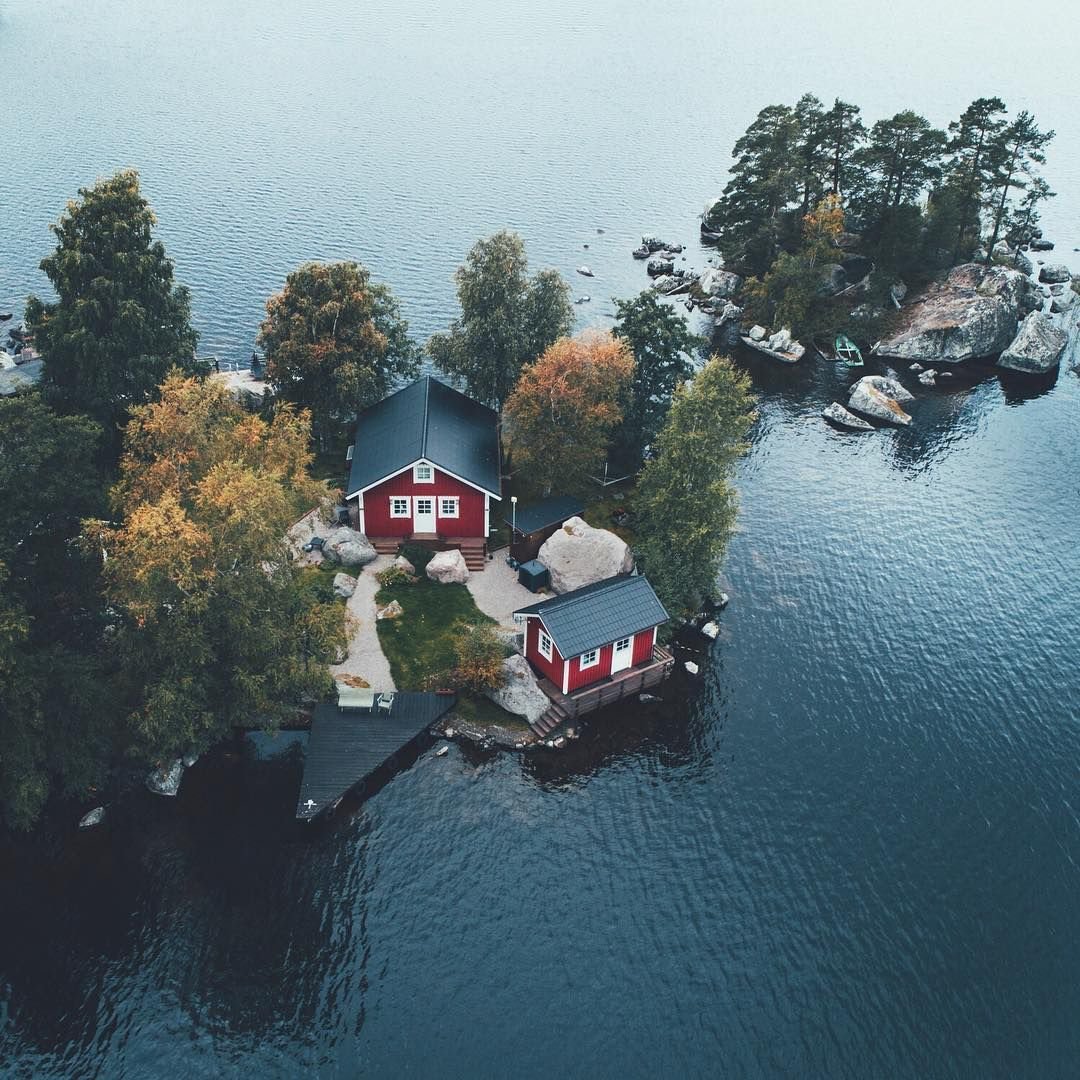

Imagine waking up in a small wooden cottage surrounded by pine forests, stepping outside to watch the morning mist drift across calm blue waters, and spending the day exploring quiet islands with barely another traveller in sight. This is the beauty of Sweden’s Stockholm Archipelago, a remarkable collection of thousands of islands scattered across the Baltic Sea. Just beyond the busy streets of Stockholm, this peaceful coastal world offers rocky shorelines, traditional fishing villages, hidden swimming spots, and a slower way of experiencing Scandinavia.
Although Stockholm attracts visitors from across the world, its surrounding archipelago remains surprisingly overlooked by many international travellers. For those willing to venture beyond the city, it offers a completely different side of Sweden, where nature takes centre stage and everyday life follows the rhythm of the sea.
A World of Thousands of Islands
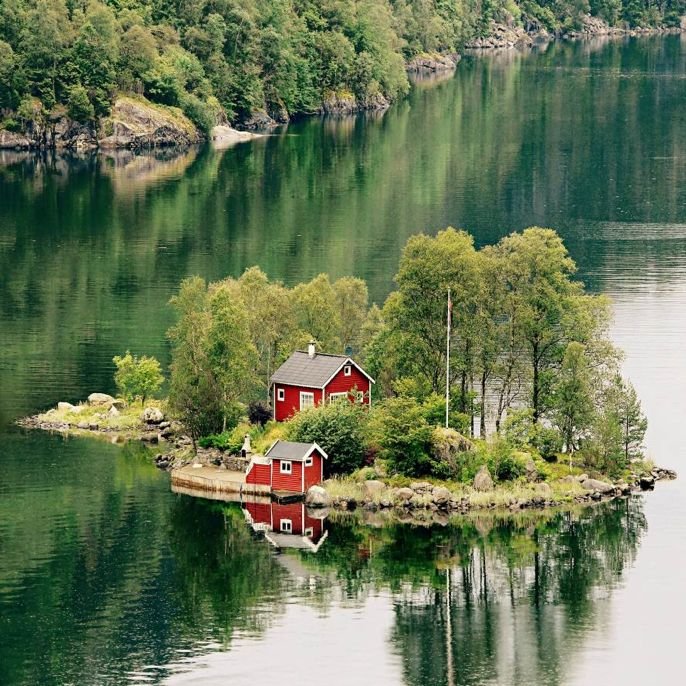
The Stockholm Archipelago stretches eastwards from the Swedish capital into the Baltic Sea and consists of approximately 30,000 islands, islets, and rocky skerries. Some are large enough to support permanent communities, while others are little more than tiny pieces of rock surrounded by water.
What makes this region so fascinating is its incredible variety. There are forest-covered islands with wooden cottages, small fishing settlements with colourful houses, and isolated rocky shores that seem almost untouched. The landscape changes throughout the journey, creating a sense of discovery with every passing island.
The archipelago is also closely connected to Stockholm through regular passenger ferries and boat services. This makes it possible to leave the city in the morning and spend the afternoon exploring a peaceful island without travelling particularly far.
Vaxholm: The Charming Gateway to Island Life
One of the best places to begin exploring the Stockholm Archipelago is Vaxholm. Often described as the gateway to the islands, this charming coastal town is known for its colourful wooden buildings, waterfront cafés, and relaxed atmosphere.
The town’s most recognisable landmark is Vaxholm Fortress, a historic defensive structure located on a small island near the harbour. Visitors can explore its history, enjoy beautiful waterfront views, and take leisurely walks through the surrounding streets.
Vaxholm is also a wonderful place to experience traditional Swedish island culture. Small restaurants serve fresh seafood, local shops sell handmade products, and boats regularly arrive carrying residents and visitors. Despite being one of the more accessible destinations in the archipelago, it retains much of its peaceful character.
Grinda: Forest Trails and Quiet Beaches
For travellers looking to escape busy towns, Grinda offers a beautiful combination of forests, open landscapes, and natural swimming areas. Located within the central archipelago, the island is particularly popular among people who enjoy outdoor activities without needing complicated travel arrangements.
Walking trails pass through pine forests and open meadows, eventually leading to rocky coastlines and quiet waterfront spots. During summer, visitors can swim in the Baltic Sea, enjoy a picnic beside the water, or simply spend an afternoon listening to the gentle movement of the waves.
Grinda also offers accommodation and dining options, making it possible to stay overnight and experience the island after the day-trippers have departed.
Sandhamn: A Traditional Island with a Maritime Soul
Another fascinating destination is Sandhamn, an island known for its maritime history, sailing culture, and beautiful coastal scenery. Located further out in the archipelago, it has long been an important meeting point for sailors and boating enthusiasts.
Its narrow lanes are lined with traditional wooden houses, small guesthouses, and waterfront restaurants. During summer, the harbour becomes lively with sailing boats, while the surrounding beaches and walking paths provide plenty of opportunities to enjoy nature.
Despite its popularity among Swedish holidaymakers, Sandhamn still offers a refreshing alternative to conventional European seaside destinations.
Discovering Sweden’s Wildlife and Natural Beauty
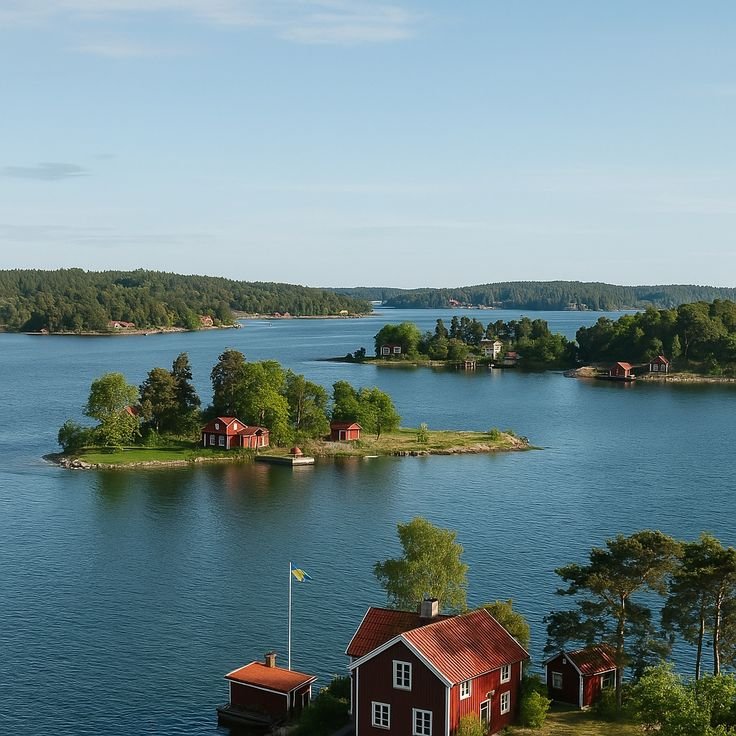
The Stockholm Archipelago is not just about charming villages and beautiful coastlines. It is also home to diverse wildlife and natural habitats. Depending on the season and location, visitors may spot sea eagles, seals, seabirds, and other wildlife along the islands.
Kayaking is one of the best ways to explore the quieter parts of the region. Paddling between small islands allows visitors to discover hidden coves, narrow waterways, and rocky beaches that are difficult to reach by larger boats.
The archipelago is particularly beautiful during summer, when long daylight hours provide plenty of time for outdoor exploration. Autumn brings a different atmosphere, with colourful forests, cooler temperatures, and quieter ferry routes.
When Is the Best Time to Visit?
June to August is generally the best period to explore the Stockholm Archipelago. The weather is relatively mild, ferry connections are frequent, and outdoor activities are widely available. Summer is also the season when traditional island cafés, guesthouses, and restaurants are most active.
For travellers who prefer fewer visitors, late spring and early autumn can be equally rewarding. However, some seasonal services and accommodation options may operate on reduced schedules.
A Scandinavian Escape Worth Discovering
Sweden’s Stockholm Archipelago offers something increasingly difficult to find in popular travel destinations: space, silence, and the freedom to explore without following a crowded tourist trail. Whether you are wandering through Vaxholm’s historic streets, swimming off Grinda’s rocky shores, or watching sailing boats pass through Sandhamn’s harbour, the experience feels wonderfully unhurried.
For travellers seeking beautiful landscapes, authentic island communities, and a different perspective on Scandinavian life, this extraordinary collection of islands deserves far more attention. Sometimes, the most memorable journeys begin just beyond the places everyone already knows.