






On a remote island in the South Pacific, a towering structure of wooden poles and forest vines rises above the village. Men gather nearby as people watch from below. One by one, the divers climb the tower, secure vines around their ankles and leap headfirst towards the earth. There are no elastic cords, safety nets or modern equipment. Just careful preparation, extraordinary courage and a tradition passed down through generations.
This is naghol, the extraordinary land-diving ceremony of Pentecost Island in Vanuatu. Often described as an inspiration for modern bungee jumping, the ritual is far more than a spectacular display of bravery. It is deeply connected to local beliefs, the yam harvest and the cultural identity of the communities who continue to practise it.
For travellers searching for places where living traditions matter as much as natural beauty, Pentecost Island offers a remarkable journey into the heart of the Pacific.
An Island Far From the Usual Tourist Trail
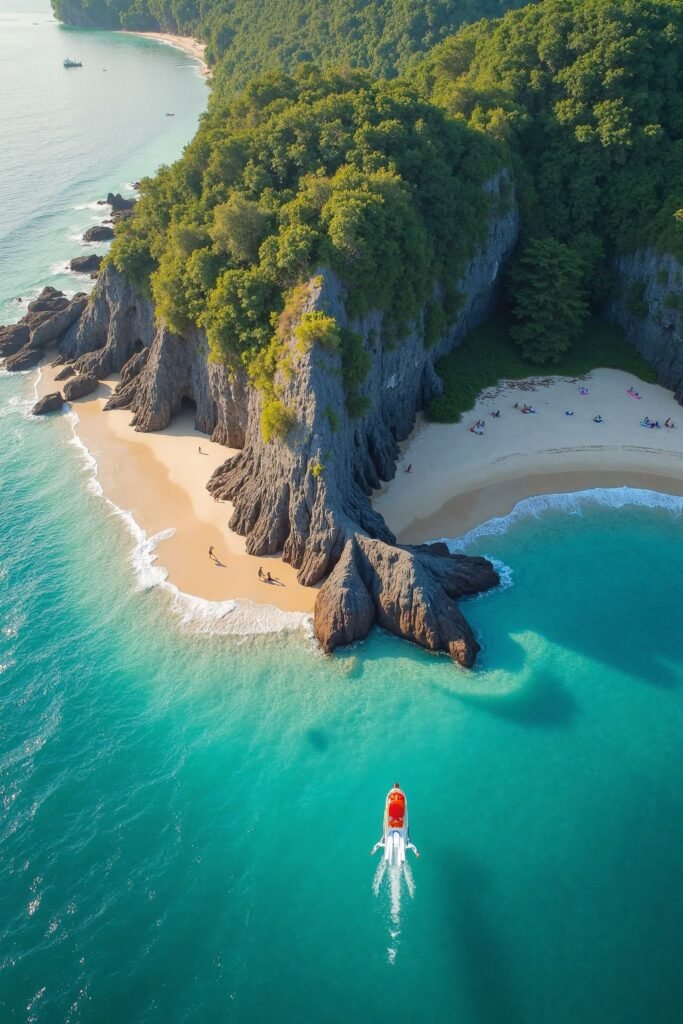
Part of the South Pacific nation of Vanuatu, Pentecost lies northeast of the capital, Port Vila. Unlike destinations known for large resorts and crowded beaches, the island offers a quieter experience shaped by traditional villages, rugged landscapes and strong community connections.
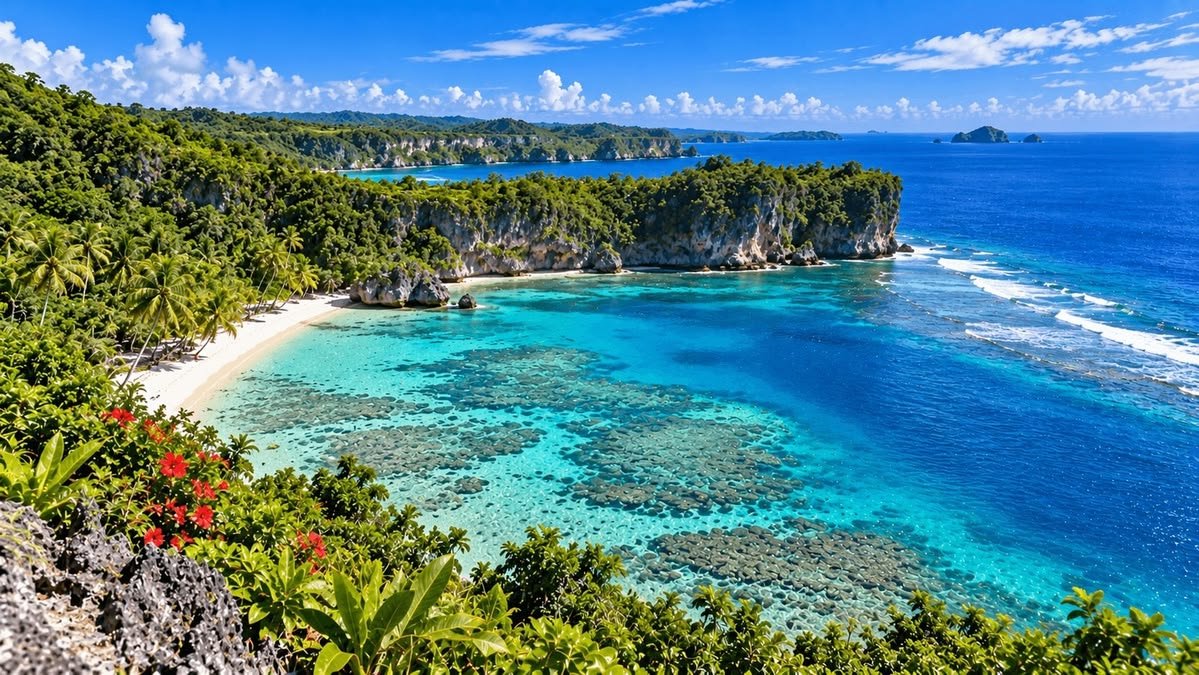
Green hills descend towards the coast, while tropical vegetation covers much of the interior. Small settlements are scattered across the island, and daily life remains closely connected to the land, family and customary practices.
Getting here takes planning. Travellers typically arrange domestic flights or other transport through Vanuatu’s travel network, with schedules and connections varying by season. Accommodation is generally simpler than in the country’s main resort areas, often involving locally run bungalows or guesthouses.
That relative remoteness is part of Pentecost’s appeal. Visitors come not just to see an extraordinary ceremony but also to experience an island where culture is woven into everyday life.
Naghol: The Land-Diving Ceremony
The most famous tradition on Pentecost is naghol, also spelt nagol. Practised particularly in the island’s south, it involves men and boys diving from tall wooden towers with tree vines attached to their ankles. The towers can reach approximately 20 to 30 metres, and their construction requires considerable skill.
The ceremony is traditionally associated with the yam harvest. According to local beliefs, the dives help encourage a plentiful crop, while participation can also represent courage, maturity and a young man’s passage into adulthood. The event brings communities together through preparation, singing, dancing and shared celebrations.
The vines are carefully selected and measured for each diver. Their length must be calculated with extraordinary precision: they need to slow the fall so that the diver’s head or shoulders come close to the ground without striking it dangerously. The practice carries real risks, which makes the experience even more striking to witness.
Although naghol is frequently compared with modern bungee jumping, the two are not interchangeable. On Pentecost, land diving remains a cultural ceremony with its own history, meaning and community responsibilities. Its significance goes far beyond the thrill of watching someone leap from a tower.
When to Witness This Extraordinary Tradition
Timing matters if you hope to see naghol in person. The traditional season generally runs from April through June, with ceremonies often held on Saturdays, although dates and locations can vary.
The ritual takes place when the vines used for diving are suitable and the communities are ready for the season. Visitors should confirm the schedule with local organisers or the official tourism office before booking flights and accommodation.
It is worth arranging the visit through an established local operator. This helps with transport, access and understanding the expectations of the host community. A ceremony should never be treated as an event that outsiders can simply turn up to watch without permission.
When attending, follow local instructions, ask before taking close-up photographs and respect areas reserved for participants. The divers are not performers in an ordinary tourist show; they are taking part in a tradition that belongs to their community.
Beyond the Tower: Discovering Pentecost’s Natural Beauty
Land diving may be the island’s best-known attraction, but it is not the only reason to visit. Pentecost offers opportunities for village visits, coastal walks, hiking and exploring its tropical surroundings.
Depending on the location and arrangements made with local hosts, travellers may be able to visit waterfalls, learn about traditional crafts or experience local food and customs. These encounters offer a broader understanding of the island than a short visit to the diving tower alone.
Allow time to talk with guides and community members, whose knowledge can reveal the stories and values behind the places you see. Local hospitality often becomes one of the most memorable parts of a journey to a remote destination.
Planning a Responsible Visit
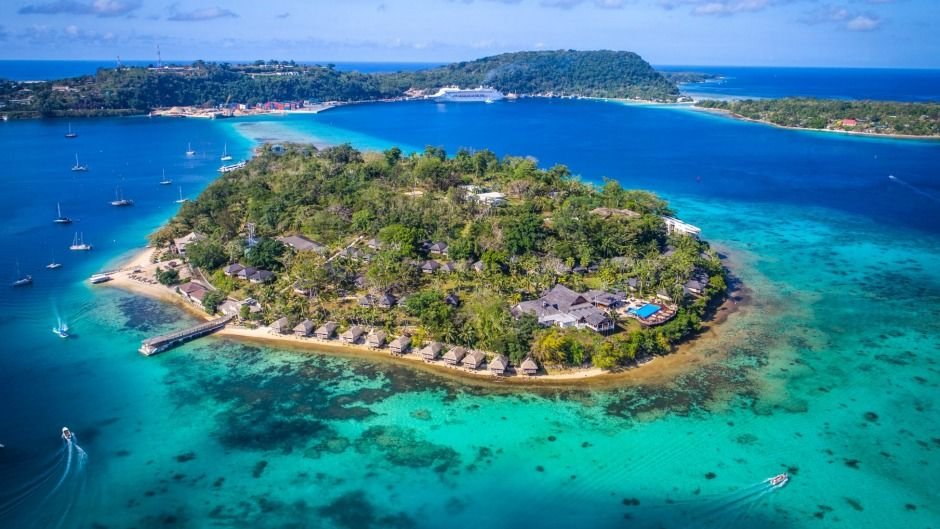
Vanuatu’s drier months generally fall between April and October, but tropical weather can still affect flights, boats and road travel. Build flexibility into your itinerary and confirm transport before departure. Carry sufficient local currency, as banking facilities can be limited outside major centres.
Choose locally operated accommodation and tours where possible, and ask how visitor fees support the community. Respecting local customs is especially important when attending ceremonies that hold cultural and spiritual significance.
A Journey Into a Living Tradition
Pentecost Island offers something increasingly rare in modern travel: the opportunity to witness a tradition that remains meaningful to the people who practise it.
The tower, the vines and the dramatic leaps may capture the photographs, but the deeper story lies in the knowledge required to build the structure, the beliefs surrounding the harvest and the generations who have kept naghol alive.
For travellers willing to venture beyond familiar Pacific resorts, Pentecost is a reminder that the world’s most extraordinary experiences are not always about scenery. Sometimes, they are about understanding a place through the traditions its people continue to cherish.