






Imagine waking up to a mountain so enormous that, for a moment, you forget you are looking through a window. Snow rests along its ridges, clouds drift past its summit, and the morning sun slowly turns the surrounding peaks golden. There is no need to rush outside or search for a viewpoint. The scenery is already waiting beside your bed.
This is the appeal of Switzerland’s mountain hotels, where panoramic windows, contemporary architecture and carefully designed interiors bring the Alps into everyday life. From secluded retreats above Zermatt to high-altitude hotels surrounded by snow-covered peaks, these properties make the landscape the most memorable part of the stay.
The Omnia, Zermatt: A Room With a View of the Matterhorn
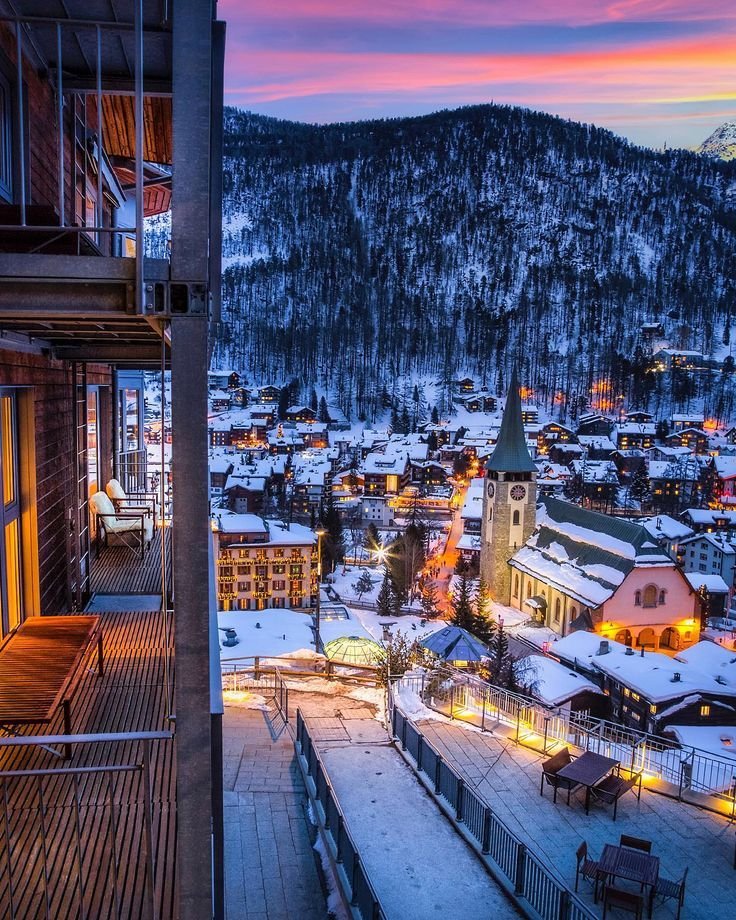
In Zermatt, where the Matterhorn dominates the skyline, The Omnia takes a modern approach to Alpine hospitality. Built into the mountainside above the village, the hotel combines glass, stone and warm timber with an architectural style that feels contemporary without ignoring its surroundings.
Large windows and balconies bring the mountain scenery into the rooms, while terraces and wellness facilities provide additional places to appreciate the view. After a day spent exploring the village or walking mountain trails, guests can return to a quieter atmosphere above the busy streets.
The location is particularly appealing to travellers who want dramatic scenery without feeling completely cut off from civilisation. Zermatt is a car-free resort, and mountain railways provide access to viewpoints and hiking areas throughout the region.
At The Omnia, the design does not need to compete with the Matterhorn. It simply gives the mountain room to command attention.
3100 Kulmhotel Gornergrat: Sleeping Above the Clouds
For a stay where altitude becomes part of the adventure, 3100 Kulmhotel Gornergrat offers an extraordinary setting high above Zermatt. Sitting at approximately 3,100 metres, it is surrounded by some of the most impressive mountain scenery in the Swiss Alps.
The hotel has modern Alpine-style rooms with views towards the Matterhorn or Mont Blanc, depending on the accommodation. Its remote position makes the experience feel very different from staying in a conventional resort hotel. Here, the mountains are not distant decorations; they fill the horizon.
One of the greatest advantages of staying overnight is experiencing the landscape after day visitors have departed. The light changes, the air becomes colder, and the surrounding peaks can appear almost unreal beneath a clear night sky.
Access is via the Gornergrat railway from Zermatt, so travellers should check operating arrangements and allow time for the journey. The altitude also deserves consideration, particularly for anyone unaccustomed to high mountain environments.
Hotel Coeur des Alpes: Contemporary Comfort in the Mountains
Not every Alpine escape needs to involve an isolated mountaintop. Hotel Coeur des Alpes, also in Zermatt, offers a more intimate boutique experience, combining modern Alpine interiors with views of the Matterhorn.
Wood, stone and glass give the rooms a warm, understated character. The design feels connected to the mountain setting without relying on heavy decoration or traditional chalet styling. Guests can enjoy panoramic scenery from the accommodation and relax in the wellness area after spending time outdoors.
Its position near the village centre and mountain transport makes it a practical option for travellers planning to combine hotel relaxation with hiking, sightseeing or winter sports.
The appeal is in the balance: a comfortable retreat with an unmistakably Alpine atmosphere, where the views remain central to the experience.
Why Glass Architecture Works So Well in the Alps
Mountain architecture has always been shaped by its environment. Traditional chalets use timber and sloping roofs to suit Alpine weather, while contemporary hotels increasingly incorporate expansive glazing to capture natural light and panoramic views.
The effect is especially striking when interiors are kept simple. Neutral colours, natural materials and uncluttered furniture allow the landscape to become the room’s main visual feature. In winter, snow-covered slopes provide a dramatic backdrop; in summer, green meadows and rocky summits create an entirely different atmosphere.
Still, a glass wall alone does not guarantee a spectacular stay. Room orientation, floor level, neighbouring buildings and the weather all affect what guests actually see. When booking, check whether the room faces the mountains you want to admire rather than assuming every category offers the same panorama.
When to Experience Switzerland’s Mountain Hotels
Summer and early autumn are excellent for hiking, scenic train journeys and long days spent exploring mountain villages. The landscapes are greener, and many trails become accessible as the snow retreats.
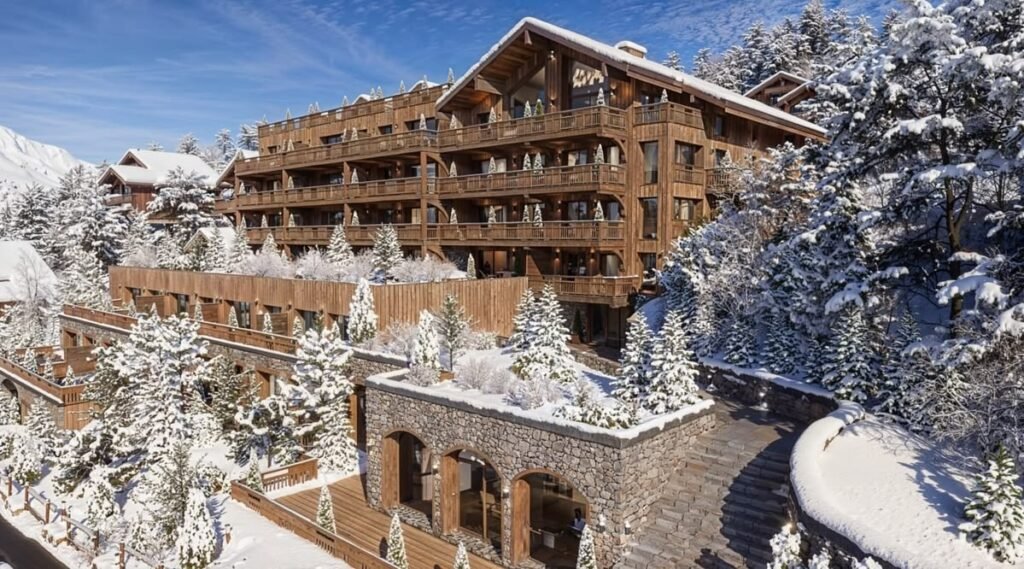
Winter brings a different kind of beauty, with snow-covered peaks, ski slopes and cosy evenings indoors. However, weather can affect mountain transport, and high-altitude destinations may be significantly colder than the villages below.
Whenever you visit, pack layers and leave room in your itinerary for changing conditions. Alpine weather can shift quickly, and even the most impressive panoramic window cannot guarantee a clear view every morning.
A Stay Where the Scenery Comes First
Switzerland’s mountain hotels offer more than luxurious rooms and impressive architecture. They provide a chance to experience the Alps without constantly searching for the next viewpoint.
Sometimes, the most memorable moment is a sunrise over the Matterhorn. Sometimes, it is watching clouds pass beneath a high-altitude hotel while the rest of the world seems far away.
And sometimes, it is simply sitting beside a vast glass window with a warm drink, realising that you have absolutely no reason to hurry outside. In these Alpine retreats, the view is not an extra. It is the entire reason to stay.