





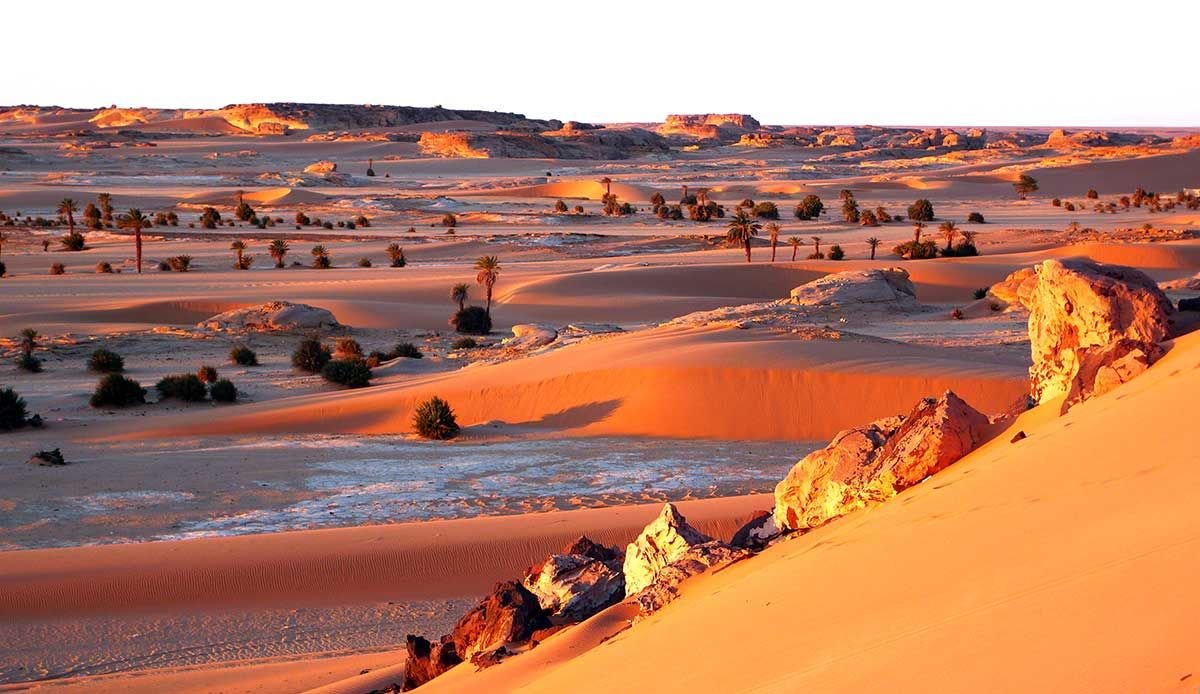

Somewhere in the empty quarter of northeastern Chad, wind and water have spent millions of years carving a landscape that looks less like desert and more like ruined architecture. Sandstone arches rise out of the sand like collapsed cathedral naves. Labyrinths of eroded canyon wind between towers locals call “castles.” And in the depths of one canyon, a permanent pool holds a population of crocodiles that has somehow survived here since the Sahara was green. This is the Ennedi Plateau, and it remains one of the least-visited UNESCO World Heritage Sites on Earth, for reasons that go well beyond simple remoteness.
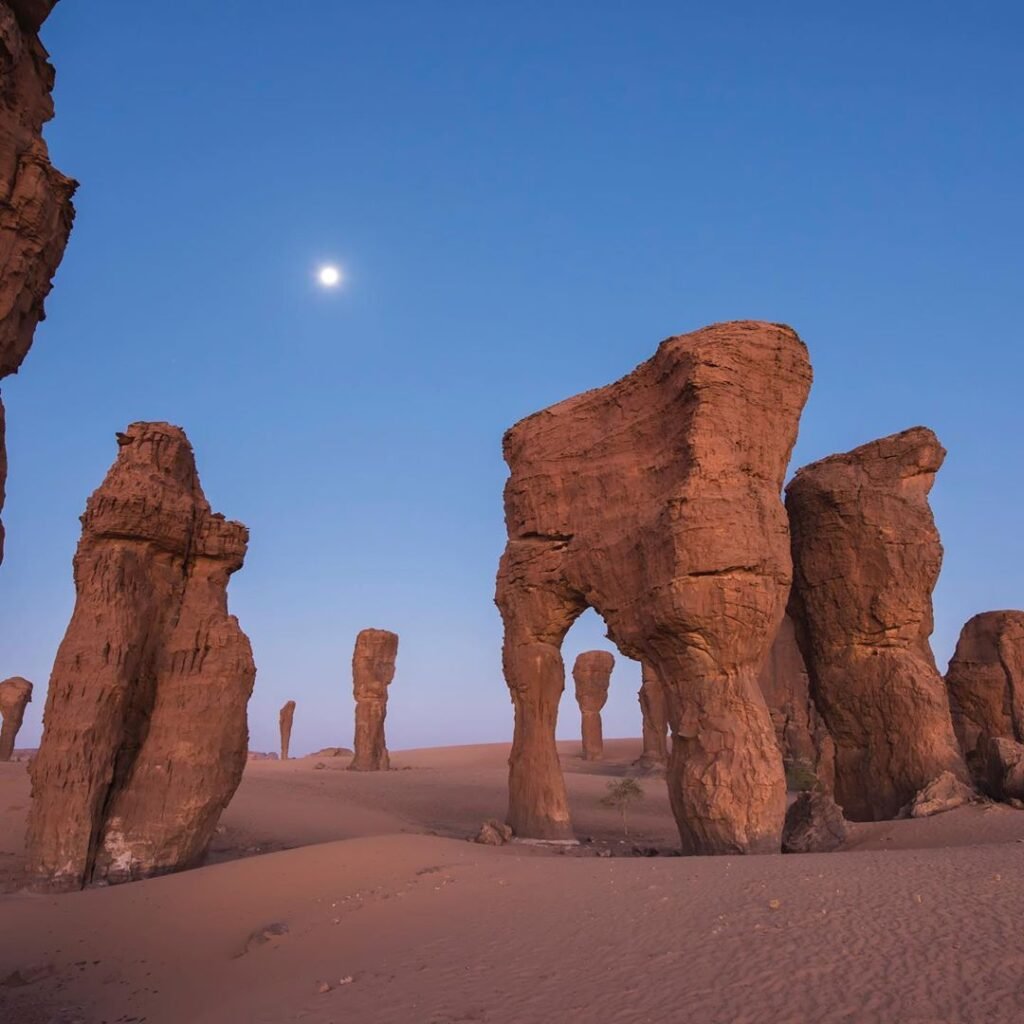
A Landscape Built by Ten Thousand Years of Erosion
Ennedi earned its 2016 UNESCO inscription as a mixed natural and cultural site, one of a small handful worldwide recognised for both categories simultaneously, spanning more than 50,000 square kilometres of sculpted cliffs, arches, mushroom-shaped rock formations, and water catchments locals call gueltas. UNESCO’s own citation describes it as a superlative example of an erosional sandstone landscape, its complex of arches, pillars, and labyrinths among the most extensive and visually striking anywhere in the world. Beneath the surface drama, the massif also functions as an ecological refuge, sheltering plant and animal species that have survived here since the “Green Sahara” period thousands of years ago, when this entire region held lakes and grassland rather than desert.
The Guelta d’Archei and Its Desert Crocodiles
The plateau’s most famous single feature is the Guelta d’Archei, a permanent pool tucked deep within a canyon, sustained year-round by underground water sources despite sitting in one of the driest environments on Earth. Remarkably, the guelta still supports a small, isolated population of West African crocodiles, a genuine relic species stranded here since the Sahara’s last wet period, now surviving in a pool that shouldn’t, by any reasonable expectation, still hold water at all. Camel caravans still pass through the site regularly, herders bringing livestock to drink from the same pool that’s sustained travellers and animals across this stretch of desert for centuries.
Rock Art Spanning Ten Millennia
Ennedi holds one of the largest and most significant collections of rock art anywhere in the Sahara, thousands of paintings and engravings scattered across caves and exposed rock faces, some layered directly on top of earlier work from different eras. That layering is scientifically valuable in its own right, researchers can trace roughly ten thousand years of climate change and cultural shift through the different artistic styles stacked one atop another at sites like Manda Gueli Cave. The archaeological record here provides a genuinely rare, continuous testimony to human presence across a landscape whose environment has fundamentally transformed multiple times over that span.
What Visiting Actually Requires
It’s essential to be direct about this: the US State Department maintains a Level 4 “Do Not Travel” advisory for the entirety of Chad as of 2026, citing crime, terrorism, civil unrest, kidnapping risk, landmines in certain areas, and severely limited healthcare infrastructure. This isn’t a minor caution to skim past. Anyone considering Ennedi should read their government’s current advisory in full, understand what it specifically covers, and make a genuinely informed decision rather than treating the landscape’s beauty as a reason to discount the warning. In practice, travel here happens almost exclusively through specialist expedition operators who arrange the required government permit, known as an autorisation de circuler, alongside experienced local guides from the gateway town of Fada, essential given the complete absence of formal infrastructure once inside the reserve itself.
What a Trip Actually Looks Like
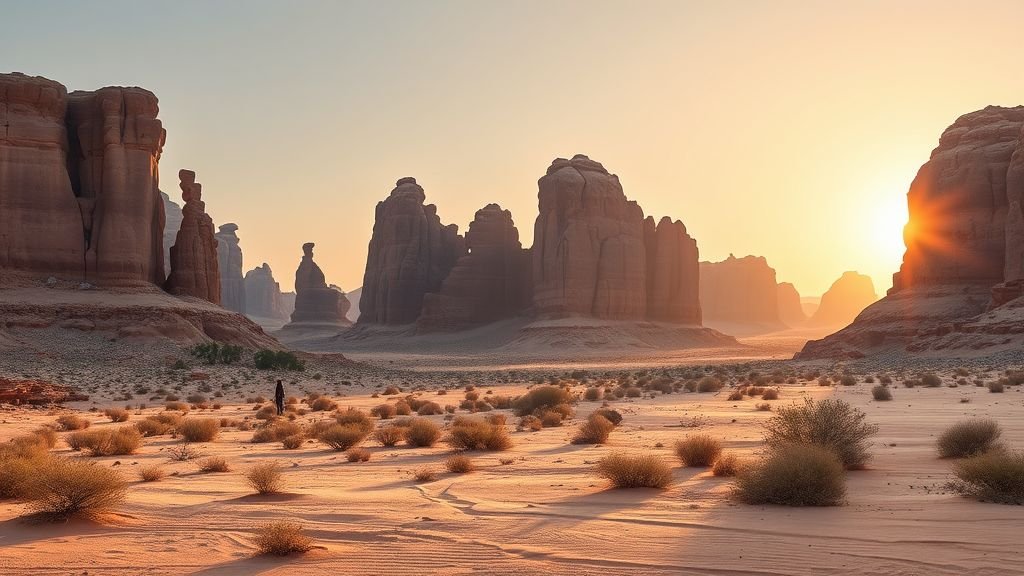
There are no hotels or permanent facilities within Ennedi, visitors wild camp under the stars for the duration of any expedition, carrying all water and supplies, since even 3 litres per person per day represents a bare minimum against the region’s heat. A small number of semi-permanent luxury tented camps, like Camp Warda, have emerged near the reserve to serve higher-end travellers, though outside these camps, conditions remain genuinely basic. African Parks has managed the reserve in partnership with Chad’s government since 2018, working to curb illegal hunting and unsustainable resource use while supporting the roughly 30,000 local community members who move through Ennedi annually, their livelihoods still directly tied to the water and grazing land the massif provides.
Why It Still Matters
Ennedi remains one of the most extraordinary sandstone landscapes on Earth, precisely because so few outside visitors have ever seen it. That’s not purely a romantic framing, it reflects a genuine, ongoing security reality that any responsible account of this place has to include rather than gloss over for the sake of a better travel story. For readers weighing whether Ennedi belongs on a bucket list rather than an actual near-term itinerary, understanding both halves of that story, the genuine wonder of the landscape and the genuine risk of reaching it, is the only honest way to engage with a place this remarkable and this complicated at once.