





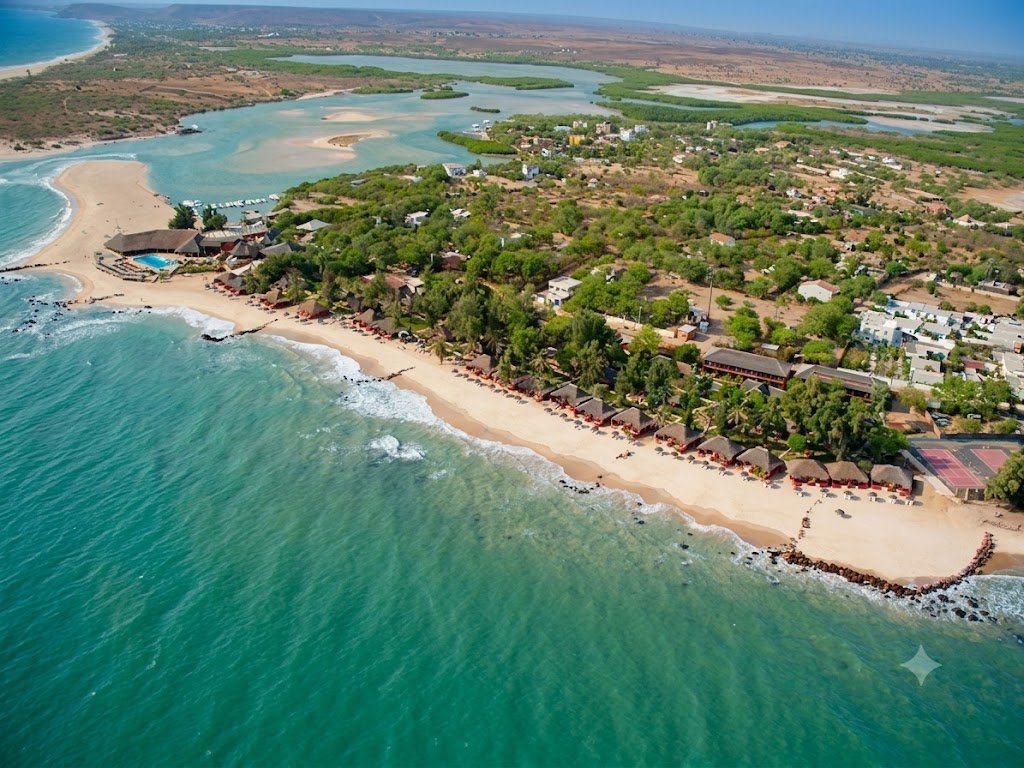

When most people start planning a tropical getaway, their minds usually go straight to the usual suspects: the surf spots in Portugal, the beaches in Thailand, or an island resort in the Caribbean. But if you look far off the well-trodden tourist track, right along the westernmost tip of Africa, something really special is happening.
With hundreds of miles of sun-soaked Atlantic beaches, a music and art scene that hums with energy, and a culture centered around welcoming strangers, Senegal is quietly becoming the destination everyone will be talking about.
For anyone who is tired of fighting crowds in over-commercialized beach towns, Senegal offers something that’s getting harder to find: a coast that feels raw, soulful, and completely authentic.
What It Feels Like to Experience Teranga
You can’t really talk about Senegal without talking about Teranga. It’s a Wolof word that gets translated as hospitality, but it goes way deeper than that. It’s a whole way of life based on generosity, warmth, and making anyone who visits feel like family. Pair that spirit with a coast stretching over 300 miles, and you get a trip that stays with you long after you leave.
What’s amazing about the coast here is just how much it changes as you move along it. Up in Dakar, the capital sits on a rocky peninsula where art galleries, rooftop bars, and buzzing nightlife sit right next to world-class surf breaks. Just a five-minute boat ride off the coast is Île de N’Gor, a tiny, car-free island where artists, surfers, and travelers hang out in quiet courtyard cafes.
If you head south down the coast to the Petite Côte, the city noise fades away into peaceful golden-sand coves and sleepy fishing villages. Keep going even further south, and the ocean weaves into the Siné-Saloum Delta—a massive, quiet maze of mangrove forests and small islands. Floating through these calm channels on a wooden boat with pelicans flying overhead feels like stepping onto another planet.
A Cultural Engine on the Atlantic
Senegal isn’t just a place to lounge on the sand; it’s an absolute powerhouse of culture. Dakar has long been one of the creative capitals of West Africa, famous for its fashion, contemporary art, and music.
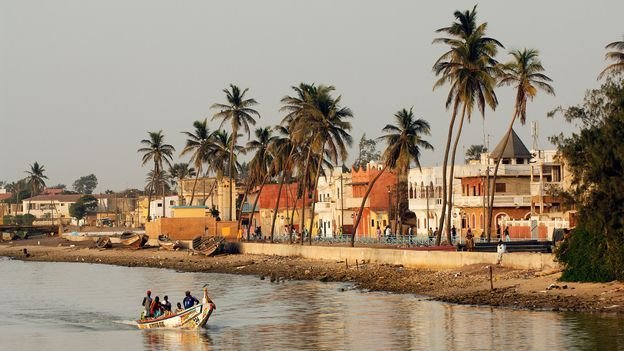
As you walk through coastal towns, that creative energy is everywhere. Brightly painted wooden fishing boats line the sand, market stalls overflow with colorful hand-woven textiles, and the sound of drumming often drifts down the beach as the sun sets.
And then there’s the food. You can’t leave without trying Thieboudienne, the national dish of slow-cooked spiced rice, fresh ocean fish, and vegetables. Eating a steaming bowl of it right by the water, paired with a cold glass of fresh hibiscus tea, is easily one of the highlights of being here.
Why Senegal’s Moment Is Right Now
The secret has been getting out for a while, but it feels like everything is coming together right now. With more direct flights opening up from major international hubs, getting to Dakar is simpler than it used to be.
Even better, Senegal is leaning into smart, small-scale tourism rather than building giant concrete resort strips. The focus is on boutique eco-lodges, community-run nature reserves, and preserving local heritage. It hits that rare sweet spot: comfortable and safe enough to travel easily, but wild and unpolished enough to feel like a real adventure.
The takeaway? Travel is shifting. People are looking for places that feel real, where you can connect with local culture and enjoy incredible nature without feeling like you’re on a conveyor belt. Senegal delivers all of that and more. If you’re looking for a trip that will actually move you, it’s time to head west.