




If you look at a globe, the top of North America stretches out into a vast, silent expanse of jagged mountain ranges, tundra, and frozen seas. Most people know it exists, but very few ever make the trip up to see it for themselves.
That massive northern frontier—spanning the Yukon, the Northwest Territories, and Nunavut—represents one of the last truly untouched wildernesses left on the planet.
It’s a place where highways give way to dirt tracks, caribou herds outnumber human residents by the thousands, and the sky feels twice as wide as anywhere else on Earth.
Yukon: Gold Rush History and Alpine Frontiers
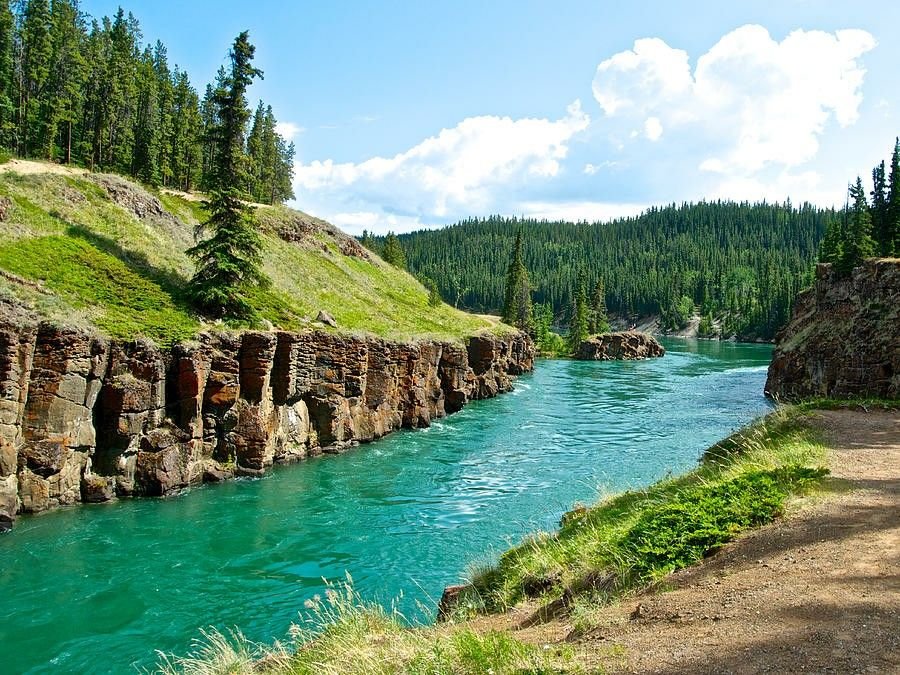
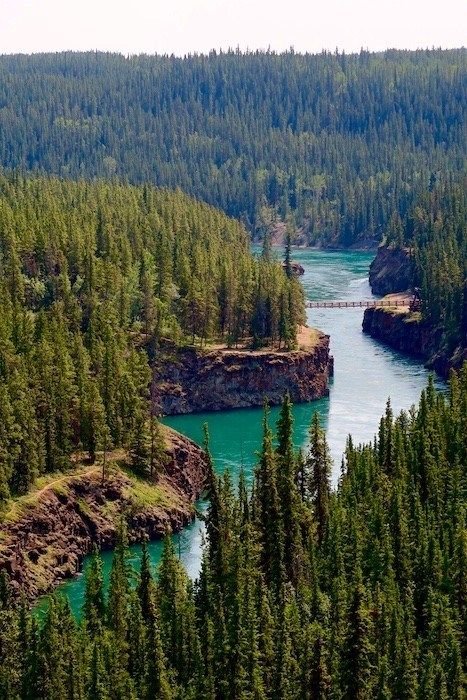
Bordering Alaska, the Yukon is defined by sweeping alpine landscapes and a colorful past.
This is the territory that captured the world’s imagination during the Klondike Gold Rush of 1896. Today, you can still wander through historic Dawson City, walking along wooden boardwalks and past frontier-style buildings that look almost exactly as they did when prospectors arrived with dreams of striking it rich.
Beyond its history, Yukon is an outdoor adventurer’s paradise. It’s home to Kluane National Park and Reserve, where Mount Logan—Canada’s highest peak at 19,551 feet—rises above the largest non-polar icefield in the world.
Driving north along the famous Dempster Highway, you cross the Arctic Circle, passing through Tombstone Territorial Park’s sharp granite peaks and vast tundra valleys that turn brilliant shades of red and gold every autumn.
Nunavut: Inuktitut Culture and Arctic Ocean Horizons
If Yukon is defined by mountains and rivers, Nunavut is defined by sheer scale, ice, and deep cultural heritage.
Formed in 1999 as an autonomous territory governed by the Inuit, Nunavut covers roughly one-fifth of Canada’s entire landmass. Yet, there are no highways connecting its twenty-five isolated communities to each other or to the rest of Canada. To get anywhere here, you travel by air, snowmobile, or boat.
In the capital of Iqaluit on Baffin Island, modern life meets centuries-old tradition. Visitors can explore traditional Inuit art—from intricate soapstone carvings to woven printmaker art—and learn how local hunters have navigated the Arctic climate for thousands of years.
During the summer months, when the sun barely dips below the horizon, icebreakers and zodiac boats navigate past towering glaciers, looking for bowhead whales, narwhals, walruses, and polar bears roaming the sea ice.
What Draws People to the Far North?
Traveling through Canada’s territories isn’t a typical resort vacation. It requires patience, flexible plans, and a genuine respect for extreme environments. But for those who make the journey, the rewards are unforgettable:
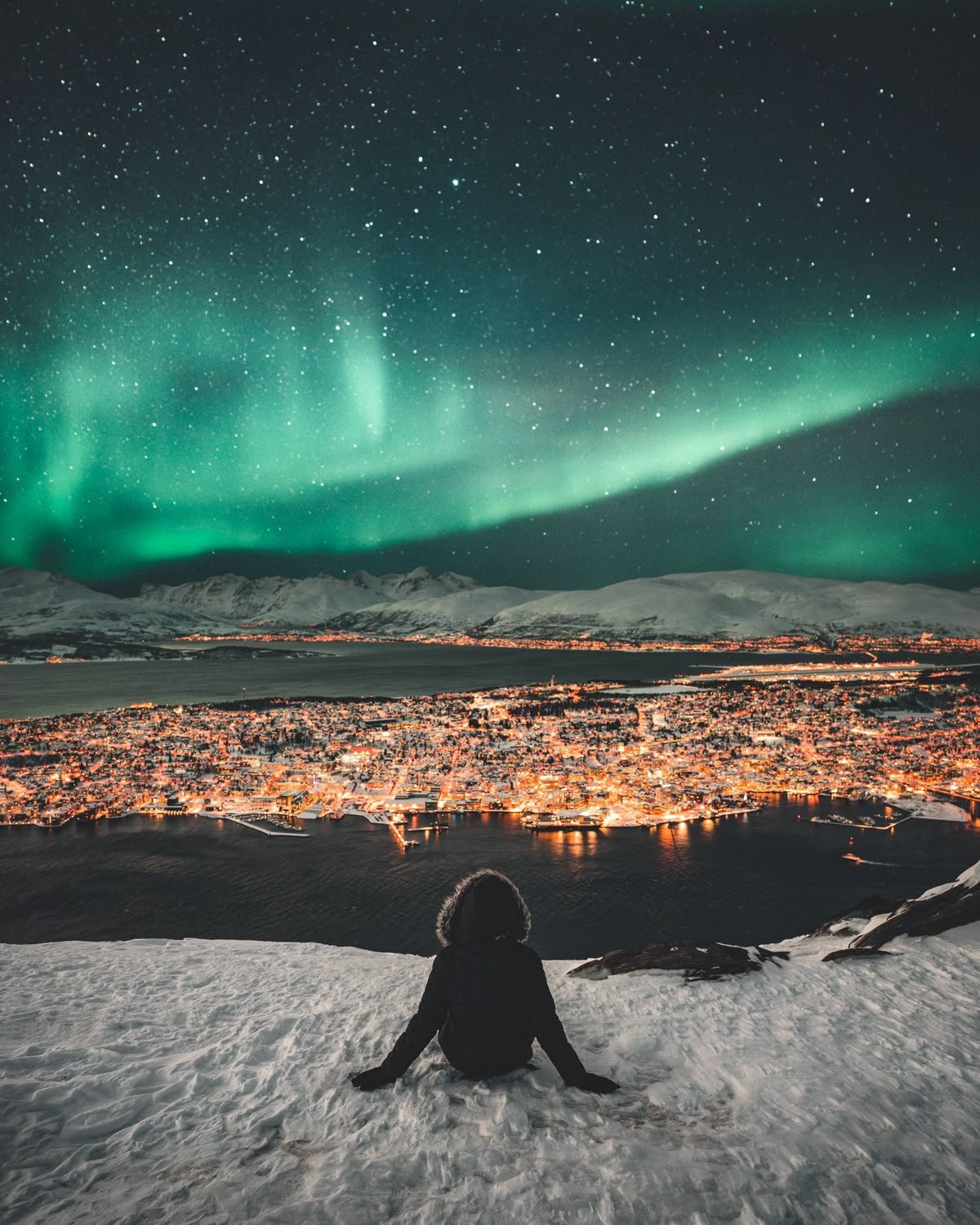
- The Aurora Borealis: Because towns like Whitehorse and Yellowknife sit directly beneath the Northern Lights oval, the Far North offers some of the clearest, most reliable aurora viewing in the world from autumn through early spring.
- Wild Wildlife Encounters: This is one of the few places left where large-scale animal migrations still happen naturally. Watching thousands of Porcupine caribou move across the tundra is a humbling reminder of what wild spaces used to look like.
- The Midnight Sun: In the height of summer, the sun stays up for nearly 24 hours a day, giving you endless daylight to hike, fish, or explore deep into the night.
Protecting a Fragile Ecosystem
The Arctic and sub-Arctic regions are undergoing massive changes due to global climate shifts. Melting permafrost, shifting sea ice, and changing wildlife patterns are real, daily challenges for northern communities.
Visiting Canada’s Far North means practicing responsible, low-impact travel. Supporting local Indigenous-led tour operators, respecting local wildlife boundaries, and learning about northern traditions ensures that these fragile landscapes stay protected for generations to come.
The Ultimate Journey North
Canada’s Far North isn’t just a destination on a map; it’s a perspective check. Standing on a windswept Arctic plateau under a sun that never sets, surrounded by hundreds of miles of open tundra, you realize just how massive and wild our planet still is.