





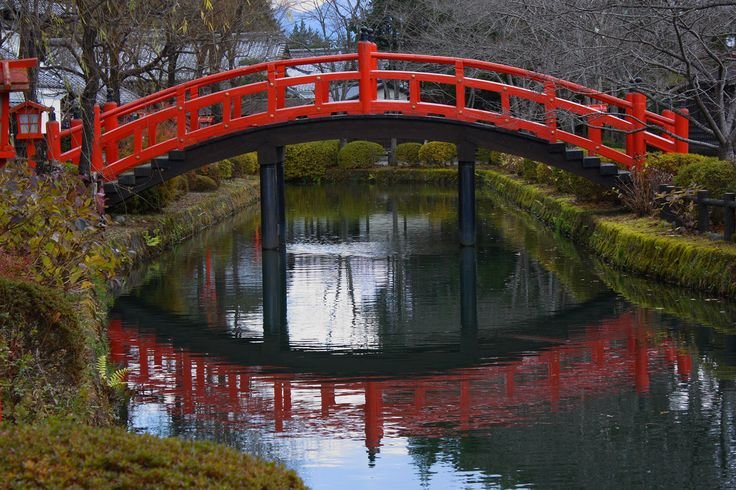

Japan has a particular talent for placing extraordinary things in proximity to ordinary life and then creating, through ritual and infrastructure and a certain cultural insistence on the correct relationship between humans and landscape, a buffer zone between the two that preserves both.
Kamikochi is the purest expression of that talent. A high alpine valley in the Northern Japanese Alps — the Hida Mountains — at 1,500 metres above sea level, accessed by a single road that private vehicles are permanently banned from using, it receives a fraction of the attention that Japan’s famous tourist circuits attract and offers, in exchange for the mild inconvenience of reaching it, a landscape that belongs in the conversation with the finest alpine valleys in the world.
Not the Swiss Alps. Not Yosemite. Not the Dolomites. Kamikochi. A valley that most visitors to Japan — including most visitors who go to Kyoto and Osaka and Tokyo and consider themselves thorough — have never heard of.
The Valley and What It Holds
The Azusa River runs through Kamikochi at the particular clarity of water that has recently left a glacier — cold, fast, and possessed of a green-blue colour that reads differently at different hours of the day. The river’s course is interrupted at the valley’s centre by Taisho Pond — a lake created in 1915 when the eruption of Mount Yake dammed the river, its surface reflecting the Hotaka range with a precision that makes every photograph of it look like it was composed rather than taken.
The Hotaka range defines the valley’s eastern wall: a row of peaks above 3,000 metres, the highest of which — Okuhotaka — reaches 3,190 metres and is the third-highest mountain in Japan. In summer, the snowfields on the upper faces remain even as the valley floor runs green with beech forest, dwarf bamboo, and the specific alpine wildflowers that bloom in the brief window between snowmelt and the return of cold. The visual contrast — snow above, deep green below, the river threading between — is Kamikochi’s signature, and it appears in every direction from the valley floor.
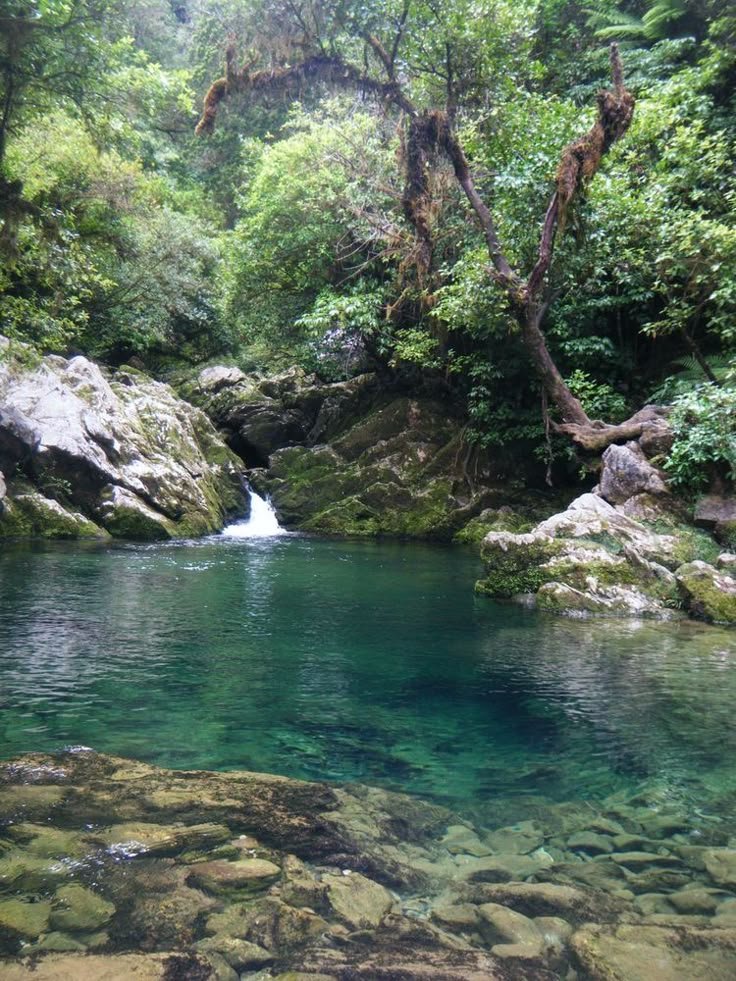
The Kappa Bridge — the valley’s central landmark, a wooden suspension bridge over the Azusa — is where most visitors arrive and many remain. For those who walk further along the valley’s well-maintained trails, the landscape opens progressively: Myojin Pond, where the water is gin-clear over a bed of pale stones and the mountains above are reflected in a stillness that the river itself never achieves; Yokoo, at the valley’s furthest accessible point, where the trail meets the beginning of the serious climbing routes to the Hotaka peaks; and the stretches in between where, on weekdays in June or September, it is entirely possible to walk for an hour along the Azusa without encountering another person.
Why Private Cars Are Banned — and Why It Matters
The ban on private vehicles in Kamikochi is not a recent environmental gesture. It has been in place since 1975 — a decision made when it became clear that unrestricted vehicle access would transform the valley floor into a car park and the Azusa River corridor into an exhaust-choked through-road. The ban is total and has never been meaningfully challenged. Access is by bus or taxi from the terminal at Nakanoyu, or by foot over the mountain passes from neighbouring valleys.
The practical consequence of this policy is a silence that alpine valleys accessible by road almost never achieve. There are no engine sounds in Kamikochi. The noise floor of the valley is the river, the wind in the beech canopy, and the occasional percussion of a woodpecker working a dead tree somewhere above the trail. That acoustic environment — rare in any populated landscape, extraordinary in a country of Japan’s density — is Kamikochi’s most underwritten quality and the one that most affects how the valley is experienced.
Japan’s environmental protection of Kamikochi extends beyond the vehicle ban. The valley sits within Chubu-Sangaku National Park, established in 1934, one of Japan’s oldest and most strictly managed protected areas. Commercial development within the park is tightly controlled — the accommodation available in the valley itself consists of a handful of mountain lodges and hotels that have operated for decades under strict architectural guidelines, producing a built environment that the landscape absorbs rather than dominates.
The Seasons That Change Everything
Kamikochi is closed from mid-November to late April — sealed by snow and accessible only to those willing to enter on skis or snowshoes, which a small and dedicated community does. The official season runs from late April, when the valley opens with a Shinto ceremony at Kappa Bridge that has welcomed the season since the 1930s, to mid-November, when the last autumn leaves fall and the road closes again.
Late April and May bring the specific beauty of the valley emerging from snow: bare branches with new leaf, the river high and fast with meltwater, the peaks still fully white above the greening valley floor. Crowds are moderate and the light is the long, low light of the Japanese spring that photographers travel significant distances to find.
June is the secret month. Before the Japanese summer holiday season begins in earnest, Kamikochi in June is quieter than at almost any other point in the open season. The valley is fully green. The wildflowers are at their peak. The weather is mild rather than hot. Weekdays in June in Kamikochi offer a quality of solitude that summer proper will not.
Late September and October bring the autumn colour that Japan’s alpine zones do with a specificity that the rest of the world cannot replicate. The beech forest above the valley floor turns in stages — yellow, then orange, then the particular deep red of the Japanese rowan — against snow that has returned to the upper peaks. The combination of autumn colour and fresh snow is Kamikochi at its most extravagantly beautiful, and the period that demands advance accommodation booking.
The Cultural Layer Beneath the Landscape
Kamikochi entered Western consciousness through a specific door: Walter Weston, a British missionary and mountaineer who spent time in the Japanese Alps in the 1890s and published accounts of the Hotaka range that introduced the region to European alpinism. A relief of Weston’s face is mounted on a rock near Kappa Bridge — a cultural curiosity in a Japanese national park, acknowledged without rancour and placed in context by the Japanese Alpine Club that Weston helped establish.
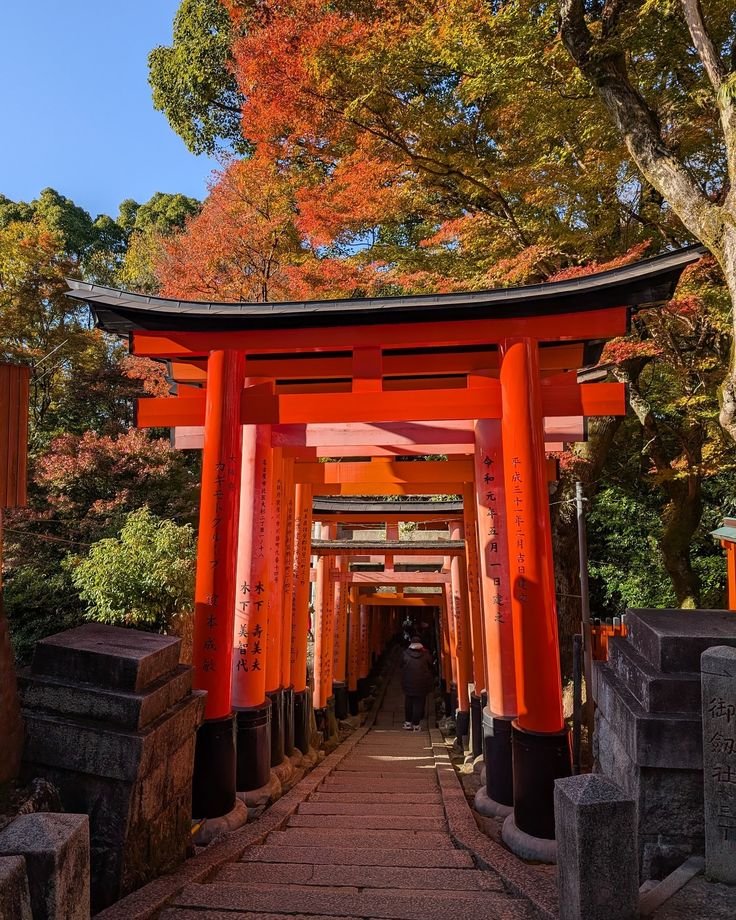
The valley’s deeper cultural identity is Shinto. The mountains above Kamikochi — particularly Okuhotaka — are sacred in the Shinto tradition, their summits the residence of kami (spirits) who have been honoured by the communities of the valleys below for centuries before the arrival of either mountaineering or tourism. The opening ceremony in April and the closing ceremony in November are not performed for visitors. They are performed for the mountain.
Walking in Kamikochi with awareness of this dimension — that the landscape is not merely scenically beautiful but spiritually inhabited in a tradition that predates the Japanese nation-state — produces a different quality of attention than scenic appreciation alone. The valley asks something of the visitor who arrives knowing this. Most visitors who stay long enough find they are willing to give it.
How to Go
Kamikochi is reached from Matsumoto — a city of 240,000 in Nagano Prefecture, served by direct limited express trains from Shinjuku in Tokyo (approximately 2.5 hours) and from Nagoya. From Matsumoto, the Matsumoto Electric Railway and connecting bus service reaches the valley entrance in approximately 90 minutes.
Accommodation within the valley — at lodges including the historic Kamikochi Imperial Hotel, opened in 1933, and the more modest alpine huts further up the valley — books out months in advance for October weekends. The June window remains comparatively accessible.
From Osaka and Kyoto, the valley is a comfortable day trip via the Shirasawa Kaido highway route or a logical overnight stop on the journey between the Kansai region and the Japanese Alps circuit that continues to Takayama and Shirakawa-go.
Go in June. Go on a weekday. Walk past Kappa Bridge. Follow the Azusa River until the valley quietens and the mountains fill the sky and the water is so cold and clear over the pale stones that you stop, involuntarily, and stay longer than you planned.