





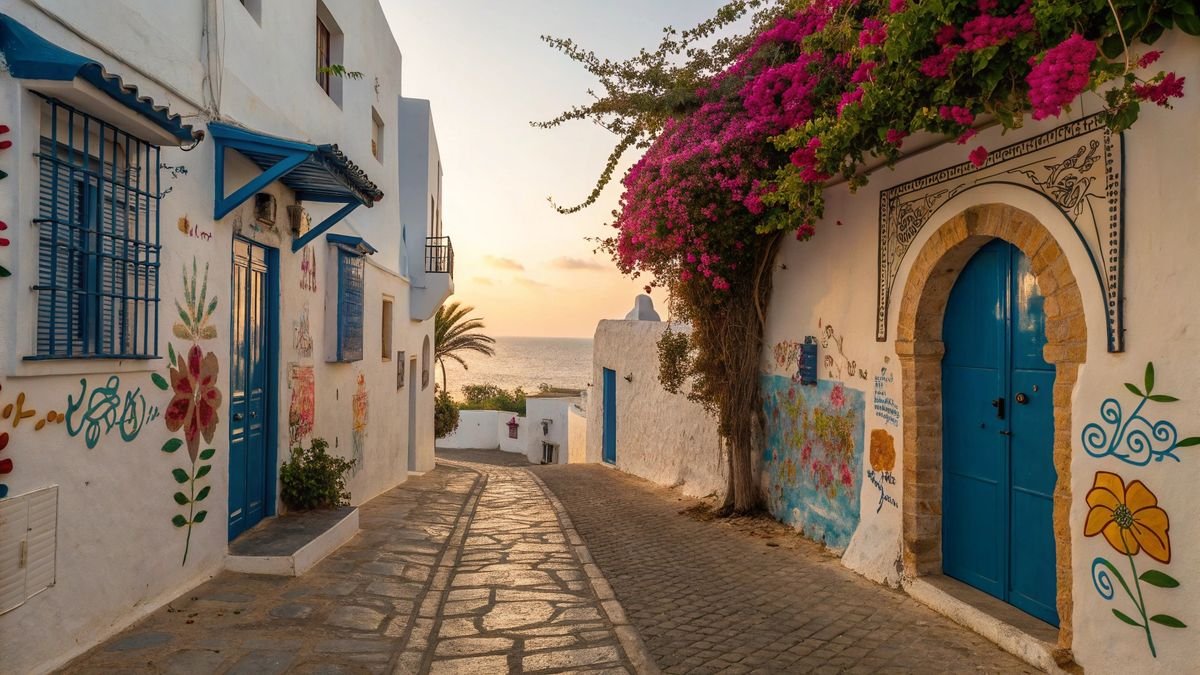

The two-week holiday is a luxury that most people’s lives — their work schedules, their budgets, their family commitments — cannot reliably accommodate. What most people actually have is a long weekend. Two and a half days, sometimes three, occasionally four if a public holiday aligns favourably and a manager is feeling generous.
The mistake most people make with those days is underestimating them.
A well-planned weekend trip does not feel like a consolation prize for the longer holiday you could not take. It feels like its own complete thing — a contained, intentional experience with a beginning, a middle, and an ending that sends you back to ordinary life genuinely refreshed rather than simply rested.
The destinations below are specifically chosen for their ability to deliver a full travel experience in a compressed timeframe — places where the density of what is available means that 60 hours of genuine engagement produces memories that a fortnight in the wrong place never would.
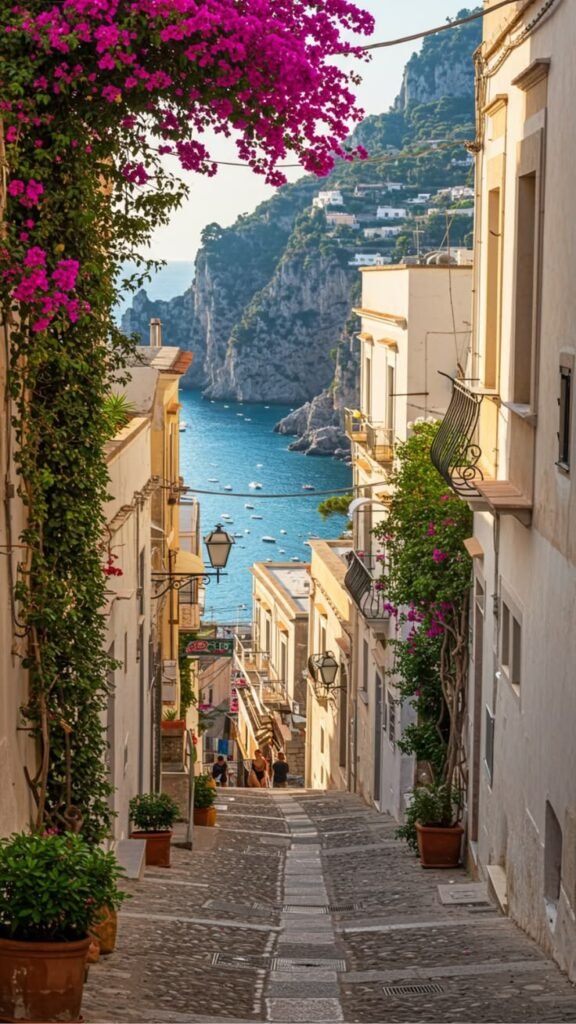
Europe
1. Porto, Portugal — Three Days of Pure Character
Porto may be the most rewarding short-break destination in Europe per square kilometre of walkable city. The Ribeira waterfront, the azulejo-tiled church facades, the port wine cellars of Vila Nova de Gaia directly across the Douro River, and the particular melancholy beauty of fado music heard from a doorway on a warm evening together create a city of extraordinary sensory richness that reveals itself completely within 48 hours.
Fly in Friday evening, walk the Ribeira Saturday morning, cross the river for a port wine tasting in the afternoon, eat grilled fish at a restaurant with a terrace view of the bridge on Saturday night. Sunday — São Bento railway station for the azulejo panels, the Livraria Lello bookshop, and the cable car to the sea. Fly home Sunday evening having experienced something complete.
Best for: Culture, food, wine, and architecture lovers. Flight time from London: 2 hours 20 minutes.
2. Ljubljana and Lake Bled, Slovenia — Nature Meets City in 72 Hours
Ljubljana’s compact, walkable city centre — castle, dragon bridge, riverside café culture — can be genuinely explored in a single day, leaving the remaining 48 hours for Lake Bled, 55 kilometres north. The lake, with its island church and clifftop castle reflected in still water against an alpine backdrop, is one of Europe’s most iconic natural scenes — and unlike most iconic scenes, it delivers fully in person.
Combine the two in a single long weekend: Friday night arrival in Ljubljana, Saturday morning in the city, Saturday afternoon drive to Bled, Sunday morning row to the island, Sunday afternoon hike to Vintgar Gorge. A 72-hour trip that covers a capital city and one of Europe’s most celebrated natural landscapes simultaneously.
Best for: City and nature combination seekers. Flight time from London: 2 hours 30 minutes.
3. Seville, Spain — The City That Lives Outdoors
Seville’s outdoor life — its tapas culture, its orange-tree lined streets, its flamenco performances in cave venues in the Triana neighbourhood — is best experienced in the shoulder months of April, May, or October when the heat is manageable and the city is operating at full social intensity without the peak summer crowds.
The Alcázar palace, the cathedral and Giralda tower, the Barrio Santa Cruz, and a flamenco performance consume two days without effort. The third day belongs to wandering — following noise and smell through streets that were not on the plan, eating at counters where nobody speaks English, understanding why this city has a reputation for producing the most sociable urban culture in Spain.
Best for: Culture, food, nightlife, and architecture. Flight time from London: 2 hours 25 minutes.
4. Kotor, Montenegro — Medieval Drama on a Budget
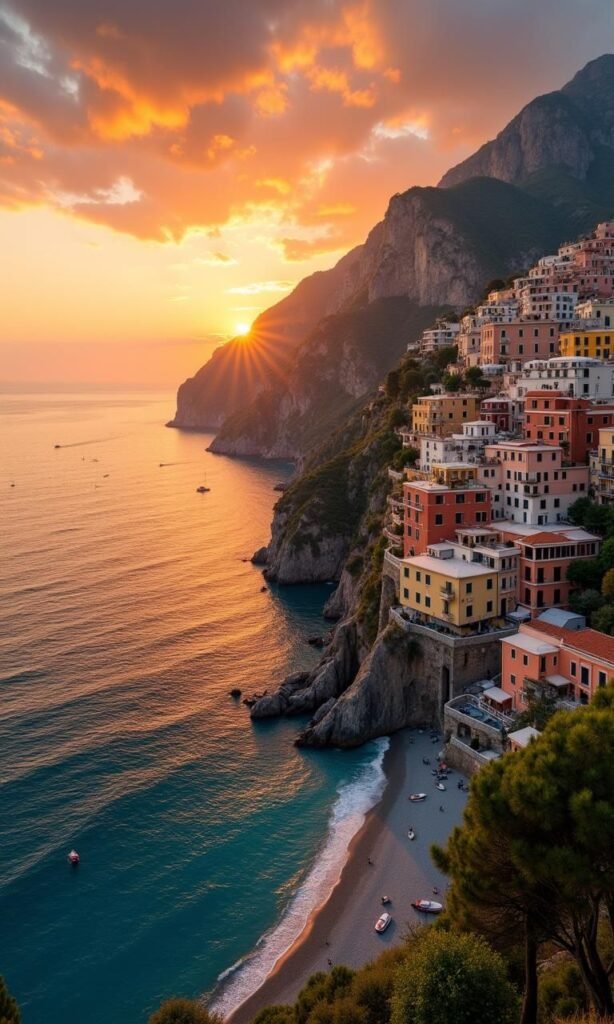
Kotor’s medieval walled city, enclosed by fortifications that climb the mountain directly behind it and overlooking a bay that makes every visitor question whether it is a lake or a fjord, delivers a visual impact disproportionate to its size and almost absurdly disproportionate to its cost. Montenegro remains one of Europe’s most affordable destinations — excellent food, good local wine, and genuinely warm hospitality at prices that feel generous even by Eastern European standards.
The climb to the fortress above the city — 1,355 steps, rewarded with a view that justifies every one of them — and a boat trip around the bay complete a weekend that costs a fraction of equivalent Adriatic experiences in Croatia or Italy.
Best for: History, scenery, and exceptional value. Flight time from London: 2 hours 50 minutes.
5. Copenhagen, Denmark — Design, Food and Nordic Light
Copenhagen is expensive and entirely worth it for the specific experience it delivers — a city of extraordinary design quality, a food scene that has shaped global gastronomy for a decade, and a quality of light, particularly in late spring and early autumn, that makes every street feel considered and every canal scene feel composed.
Nyhavn’s coloured facades, the Designmuseum, a natural wine bar in Vesterbro, a smørrebrød lunch at a counter that has been making open sandwiches since 1888, and a morning cycling loop through Frederiksberg Park constitute a weekend that is specifically, irreducibly Scandinavian in a way that no other city delivers.
Best for: Design, food, and Nordic culture enthusiasts. Flight time from London: 1 hour 55 minutes.
6. Valletta, Malta — Europe’s Smallest Capital, Maximum History
Valletta is the smallest capital city in the European Union — 0.8 square kilometres — and contains within that area a concentration of baroque architecture, fortified harbours, and layered history spanning the Knights of St John, the Ottoman siege, and the Second World War that most capital cities ten times its size cannot match.
The Upper Barrakka Gardens at sunset, overlooking the Grand Harbour with the Three Cities across the water, is one of the finest free views in Europe. The Caravaggio paintings in St John’s Co-Cathedral, the food market at Merchants Street, and a boat trip around the harbour walls complete a weekend of genuine historical immersion at a cost that remains well below most European city break equivalents.
Best for: History, architecture, and Mediterranean food on a reasonable budget. Flight time from London: 3 hours 5 minutes.
Asia
7. Penang, Malaysia — Food Capital of Asia in a Weekend
George Town, Penang’s UNESCO-listed capital, combines Chinese shophouse architecture, Tamil street art, colonial heritage buildings, and a street food culture so rich and varied that serious food travellers consistently rank it among the finest eating destinations in the world. The char kway teow, assam laksa, cendol, and nasi kandar available from street hawkers and kopitiam coffee shops within a two-kilometre radius of the old city represent a culinary education compressed into 48 hours.
The weekend structure writes itself: arrive Friday night, eat. Saturday — street food breakfast, heritage walk, more eating, rooftop bar. Sunday — Penang Hill by funicular, clan jetties, final meal, depart. Come hungry. Leave converted.
Best for: Food, culture, and heritage architecture. Flight time from Kuala Lumpur: 55 minutes.
8. Kyoto, Japan — Ancient Japan in Three Days
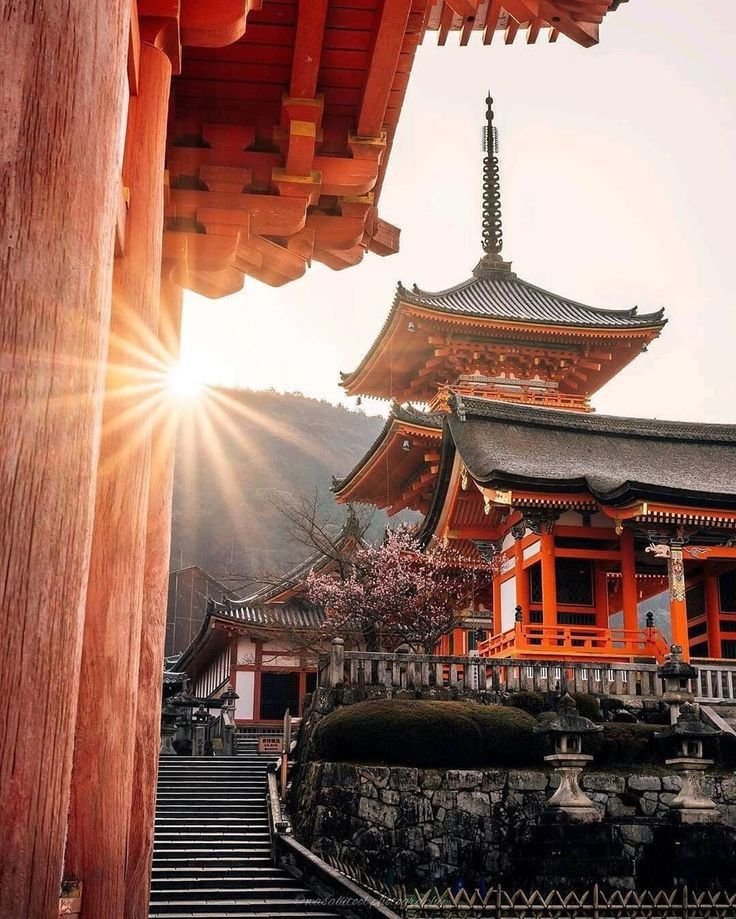
Kyoto’s 1,600 Buddhist temples and 400 Shinto shrines sound overwhelming as a number and reveal themselves as a landscape when walked. The Fushimi Inari shrine’s 10,000 torii gates climbing through cedar forest, the Arashiyama bamboo grove at dawn before the crowds arrive, the geisha district of Gion on a quiet Tuesday evening — these are experiences that a three-day visit accesses with surprising completeness.
The key to Kyoto on a short visit is ruthless prioritisation and early starts. The most famous sites are genuinely extraordinary — and genuinely crowded from 9am. Arrive at 7am, experience them in near-solitude, and the city rewards you completely.
Best for: History, temples, traditional Japanese culture. Bullet train from Tokyo: 2 hours 15 minutes.
9. Hoi An, Vietnam — Lanterns, Tailor Shops and Ancient Streets
Hoi An’s ancient town — a UNESCO World Heritage Site of extraordinary preservation — functions as a living museum of Vietnamese architectural heritage, with Chinese merchant houses, Japanese covered bridges, and French colonial facades existing in remarkable harmony along streets lit nightly by hundreds of paper lanterns.
A weekend in Hoi An covers the ancient town, a cooking class using ingredients from the morning market, a bicycle ride to the rice paddies and the beach at An Bàng, and a tailor appointment — the city’s famous custom tailoring services can produce a made-to-measure outfit in 24 hours that costs a fraction of equivalent work anywhere in the Western world.
Best for: Culture, food, heritage, and bespoke tailoring. Flight time from Ho Chi Minh City: 1 hour 20 minutes.
The Americas
10. Cartagena, Colombia — Caribbean Colour and Colonial History
Cartagena’s walled old city — its narrow streets, bougainvillea-draped balconies, and perfectly preserved colonial architecture painted in every variation of ochre, terracotta, and gold — is one of the most photogenic urban environments in the Americas. The city is compact enough to walk entirely, warm enough to swim in December, and lively enough at night that the weekend extends naturally well past midnight.
A horse-drawn carriage ride along the walls at sunset, ceviche at a rooftop restaurant overlooking the Caribbean, and a day trip to the Rosario Islands for snorkelling completes a weekend that combines history, colour, and Caribbean ease in proportions that most destinations in the region cannot match.
Best for: History, Caribbean beach access, food, and nightlife. Flight time from Miami: 3 hours 10 minutes.
11. Quebec City, Canada — Europe Without the Flight
Quebec City is the closest thing to a European city break available on the North American continent. The fortified Old Town — the only walled city north of Mexico — its French language, its château hotel dominating the skyline above the St Lawrence River, and its café culture produce an experience that feels genuinely transatlantic without the transatlantic flight.
In winter, the Quebec Winter Carnival transforms the city into an outdoor festival of ice sculptures, dog sledding, and toboggan runs that is among the most distinctly North American experiences available — European in character, Canadian in scale and cold.
Best for: History, French culture, food, and winter experiences. Flight time from New York: 1 hour 30 minutes.
Africa and the Middle East
12. Marrakech, Morocco — Sensory Overload in the Best Possible Way
Marrakech delivers more sensory experience per hour than almost any other city on earth. The souks of the medina — leather, spices, lanterns, textiles — the Djemaa el-Fna square at dusk with its food stalls and storytellers, the silence of the Majorelle Garden, and the particular blue of a riad pool glimpsed through a carved doorway together create a city that operates at an intensity most travellers find simultaneously overwhelming and completely addictive.
A long weekend in Marrakech — two full days in the medina, one day trip to the Atlas Mountains or the Agafay Desert — constitutes one of the most complete short-trip experiences available from Europe. The proximity, the affordability, and the sheer difference from everyday European life make it consistently one of the continent’s most popular and most rewarding weekend destinations.
Best for: Culture, souks, food, and desert day trips. Flight time from London: 3 hours 40 minutes.
Making the Most of a Short Trip: Three Rules
Arrive at night, leave at night. Flying in on a Friday evening and out on a Sunday or Monday evening maximises usable daylight hours in the destination without requiring additional annual leave days. It is the single most effective scheduling adjustment for short-trip travel.
Stay central. For a weekend trip, transport time within the destination is travel time lost. Staying within walking distance of the primary attractions is worth paying a premium for — the cost difference between a central and peripheral hotel is recovered many times over in taxi costs, metro tickets, and the intangible value of being able to return to your room between activities without planning an expedition.
Plan one anchor experience per day. Over-scheduling a short trip produces the exhaustion of a longer trip without the satisfaction of depth. One significant experience per day — a museum, a day trip, a specific meal, a cultural performance — creates the structure around which the rest of the day organises itself naturally.
The long holiday will come. Until it does, the weekend is more than enough to go somewhere that matters — if you choose the right destination and give it the attention it deserves.
Sixty hours, well spent, is a complete experience.
Explore our Trip Ideas section for more destination inspiration, short-trip guides, and the planning intelligence that helps you make the most of every journey in 2026.