





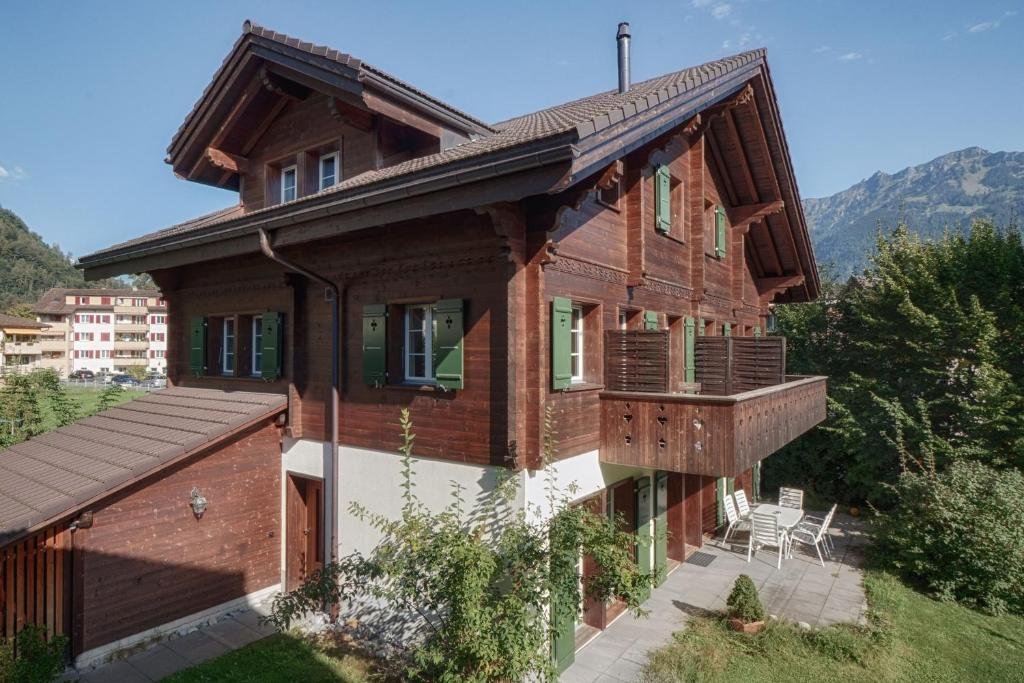

Traditional Swiss chalets are one of the most defining visual elements of Interlaken’s architectural identity. With their sloping roofs, warm wooden facades, and intricately carved balconies, these structures reflect centuries of Alpine craftsmanship and practical design. Originally built as farmhouses or seasonal homes for mountain communities, chalets were carefully constructed to withstand harsh winters, heavy snowfall, and changing mountain weather. Today, they continue to shape the town’s character, blending historical charm with modern hospitality.
The architecture of Swiss chalets is deeply rooted in functionality. The steeply pitched roofs were designed to prevent snow from accumulating and damaging the structure. Wide overhangs provided shelter from rain while also protecting wooden walls from moisture. Balconies, often decorated with elaborate carvings, allowed residents to dry herbs, store supplies, and enjoy open-air views of the surrounding mountains. The use of locally sourced timber not only made construction practical but also gave each chalet a natural, earthy warmth that feels perfectly suited to the Alpine environment.
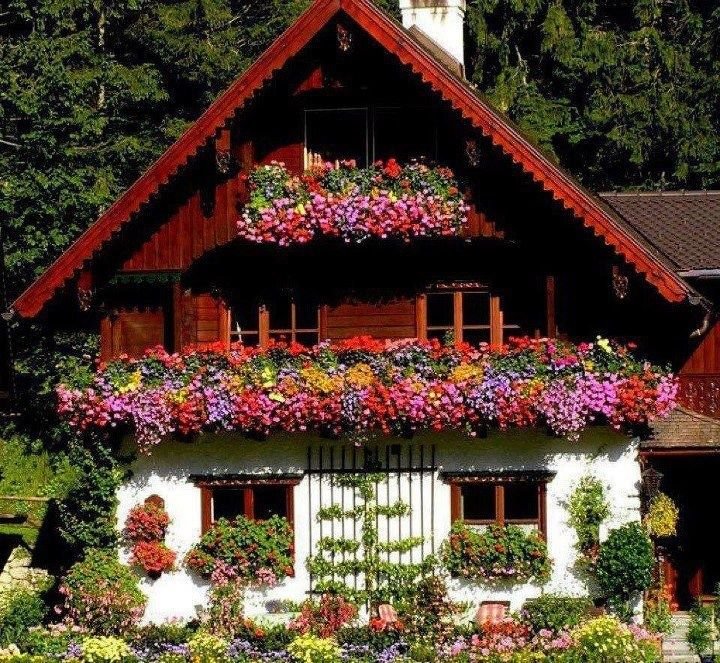
In Interlaken, many traditional chalets have been beautifully preserved or carefully restored. While some still function as private homes, others have been transformed into charming guesthouses, boutique hotels, and family-run restaurants. These adaptations allow visitors to experience the authenticity of Swiss architecture while enjoying modern comforts. Interiors often feature exposed wooden beams, stone fireplaces, and cozy rooms that reflect the rustic yet refined spirit of the region.
A unique detail that sets Interlaken’s chalets apart is the decorative craftsmanship. Wooden panels and railings frequently display hand-carved patterns inspired by local culture and folklore. Flower boxes overflowing with colorful geraniums or petunias are a common sight during spring and summer, adding vibrancy and a sense of life to the buildings. Even small elements like painted shutters or engraved dates on facades tell stories about the families who once lived there.
The chalets also play an important role in maintaining Interlaken’s harmonious relationship with nature. Their natural materials and traditional construction methods help the buildings blend seamlessly into the surrounding landscape. Unlike modern urban architecture that often dominates its environment, chalets feel like an extension of the mountains and forests around them. This visual harmony contributes to Interlaken’s overall sense of calm and timeless beauty.
As tourism grew in the 19th and 20th centuries, the chalet style evolved to accommodate visitors. Larger structures were built to host travelers, yet they retained traditional design elements to preserve authenticity. Today’s chalet-style accommodations often combine historical aesthetics with modern sustainability features, such as energy-efficient insulation and eco-friendly building materials. This balance ensures that the heritage of Swiss architecture continues to thrive while adapting to contemporary needs.
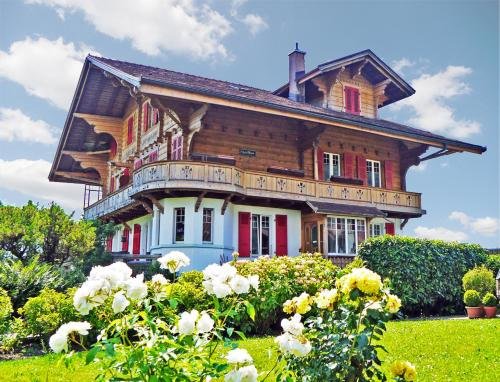
Beyond their physical design, traditional Swiss chalets symbolize a way of life centered on community, craftsmanship, and respect for the natural environment. They reflect the values of generations who lived closely connected to the land and seasons. Walking through Interlaken’s neighborhoods or nearby villages, visitors can feel this history in every carved beam and weathered wooden wall.
Ultimately, traditional Swiss chalets are more than just buildings—they are the heart of Interlaken’s architectural story. Their enduring presence offers a window into the region’s past while continuing to shape its present identity. For travelers and architecture enthusiasts alike, exploring these charming structures provides a deeper appreciation for the culture, history, and timeless beauty that define this iconic Swiss destination.