





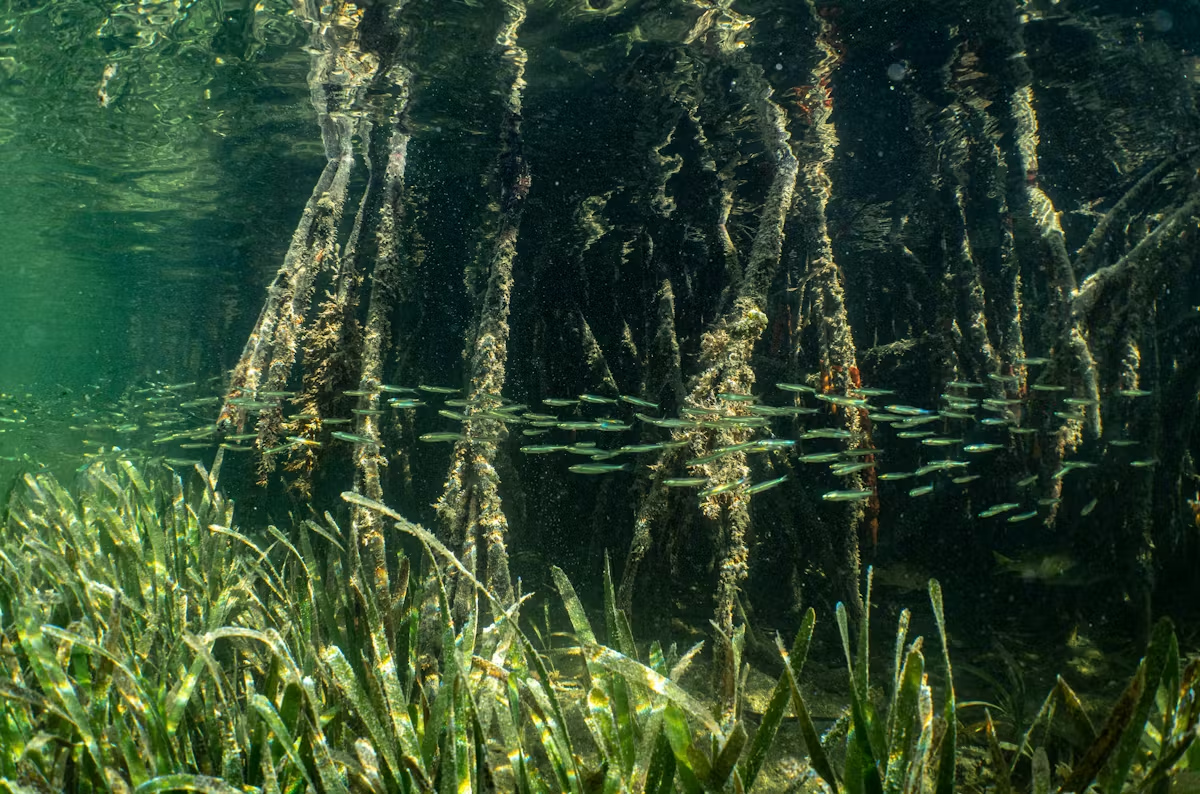

A tropical paradise is not defined by a single image but by a symphony of sensations. It is the warm air heavy with moisture, the rhythm of waves against soft sand, and the endless shades of green that seem to glow under the sun. Nature in the tropics feels alive in a way that is immediate and immersive, offering a vivid reminder of the planet’s raw beauty and abundance.
The Language of Lush Greenery
The first thing that stands out in a tropical landscape is its intensity of green. Rainforests dominate many tropical regions, layered with towering canopy trees, climbing vines, and dense undergrowth. Sunlight filters through leaves of every shape and size, creating a constantly shifting pattern of light and shadow.
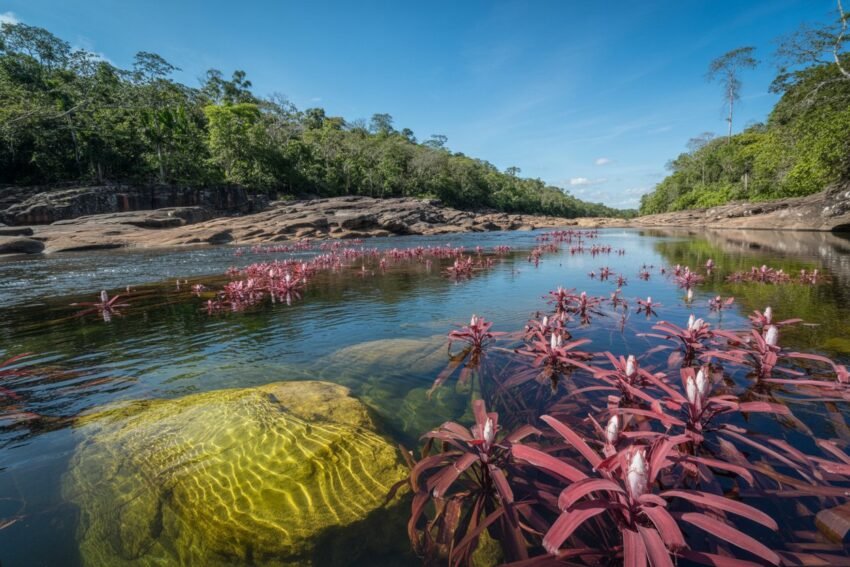
Plants in tropical paradises are designed for survival in heat and humidity. Broad leaves capture rainfall efficiently, while roots spread wide and deep to anchor massive trees. Palm trees sway along coastlines, banana plants grow in clusters, and flowering species burst with color—hibiscus, orchids, and frangipani painting the greenery with reds, yellows, and pinks.
Water Everywhere, in Every Form
Water defines the tropical world. Crystal-clear oceans stretch toward the horizon, shifting from turquoise near the shore to deep blue farther out. Coral reefs thrive beneath the surface, forming one of the most diverse ecosystems on Earth. Schools of fish flash in electric colors, while coral structures create underwater landscapes as complex as any forest.
Inland, waterfalls cascade down rocky cliffs, fed by frequent rain. Rivers wind through jungles, their banks alive with movement. Even the air feels wet, carrying the scent of salt, flowers, and rain-soaked earth. Water in the tropics is not just a feature—it is the lifeblood of the environment.
Wildlife in Constant Motion
Tropical paradises are home to an extraordinary range of wildlife. Birds fill the sky with sound and color—parrots, toucans, and hummingbirds flashing through the trees. Insects thrive in astonishing variety, from delicate butterflies to iridescent beetles.
On the forest floor, reptiles and amphibians blend into their surroundings, while monkeys and other mammals move through the canopy above. In coastal regions, sea turtles nest on beaches, dolphins glide through warm waters, and reef ecosystems pulse with life. Biodiversity here is not subtle; it is overwhelming in the best possible way.
The Rhythm of Climate and Light
The tropical climate shapes the look and feel of nature in profound ways. Days are long and bright, with sunlight that feels stronger and more direct. Sudden rain showers are common, often passing quickly and leaving the world refreshed and gleaming.
These cycles of sun and rain fuel constant growth. Plants seem to grow overnight, flowers bloom with intensity, and landscapes change rapidly. Unlike temperate regions with clear seasonal shifts, tropical nature feels perpetually alive, always in motion.
Human Life Within the Landscape
In many tropical paradises, human life blends closely with nature. Coastal villages, jungle communities, and island towns are often built in harmony with the environment. Open-air homes, natural materials, and outdoor living reflect an understanding of climate and landscape.
Cultural traditions are deeply tied to nature, from fishing and farming to festivals celebrating rain, harvest, and the sea. This connection adds another layer of richness to the tropical experience, reminding visitors that paradise is not just scenery—it is a way of life.
Fragility Beneath the Beauty
Despite its abundance, tropical nature is fragile. Rainforests and coral reefs are among the most threatened ecosystems on the planet. Climate change, deforestation, and pollution place immense pressure on these environments, altering landscapes that took millions of years to form.
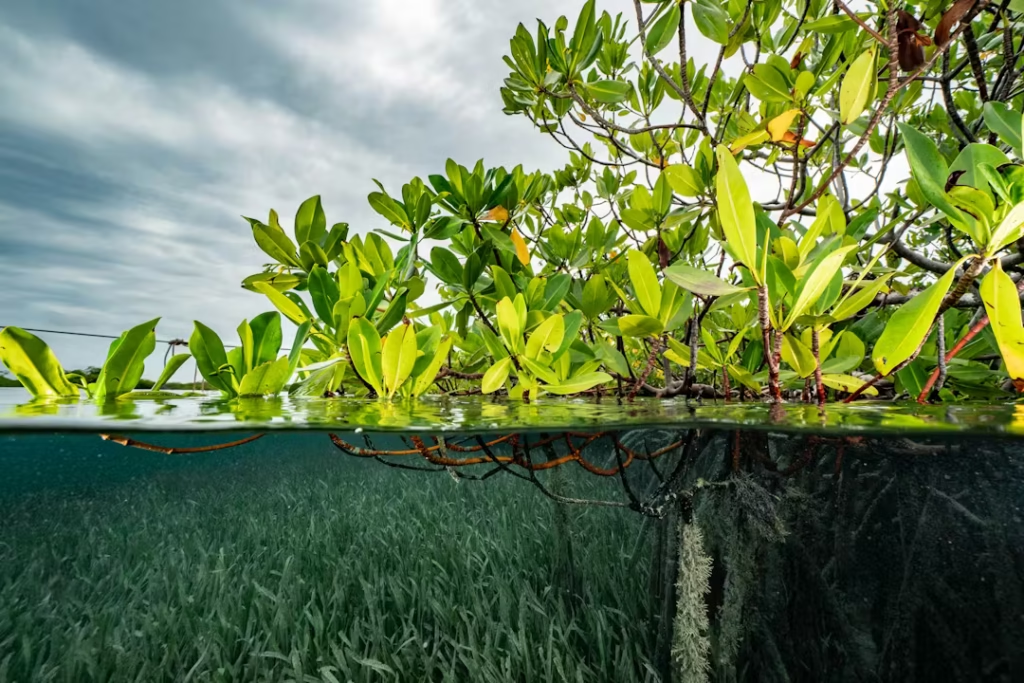
Seeing a tropical paradise firsthand often inspires a deeper appreciation for conservation. The beauty is undeniable, but so is the responsibility to protect it.
Final Thoughts
Nature in a tropical paradise is intense, colorful, and deeply immersive. It engages every sense, from the sound of waves and birds to the scent of rain and flowers. More than a destination, it is a living reminder of Earth’s extraordinary diversity—and of the delicate balance required to keep it alive.