






Tucked away in the North Atlantic Ocean between Iceland and Norway, the Faroe Islands feel like a place the modern world forgot—yet travelers are only just beginning to discover. This self-governing archipelago of 18 volcanic islands belongs to the Kingdom of Denmark, but its identity is entirely its own. With dramatic cliffs, emerald valleys, mist-covered mountains, and a culture deeply connected to nature, the Faroe Islands offer a travel experience unlike anywhere else in Europe.
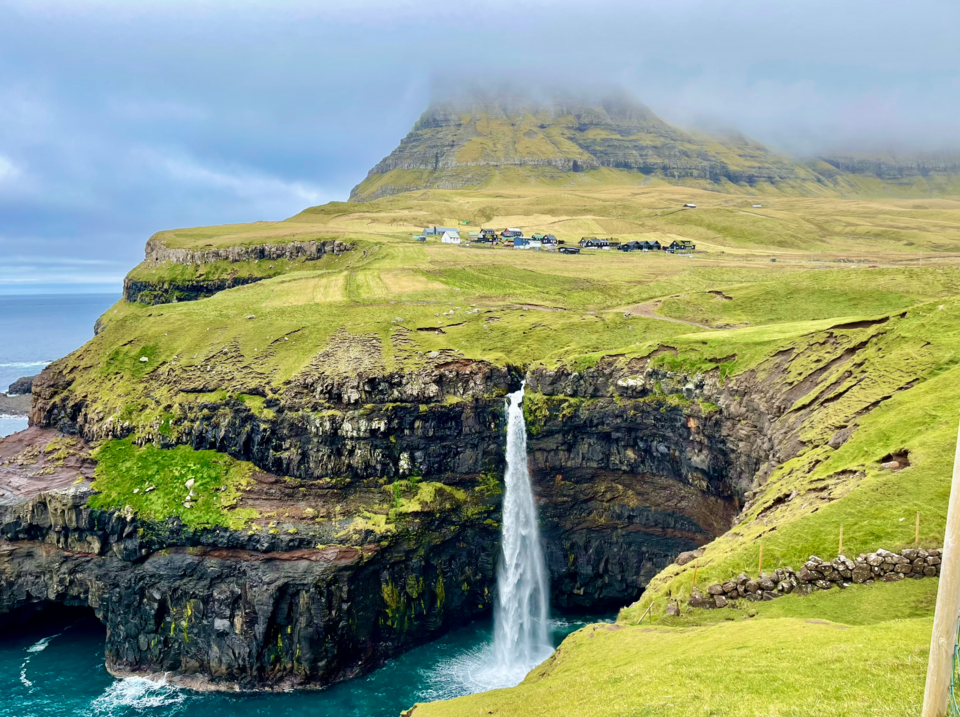
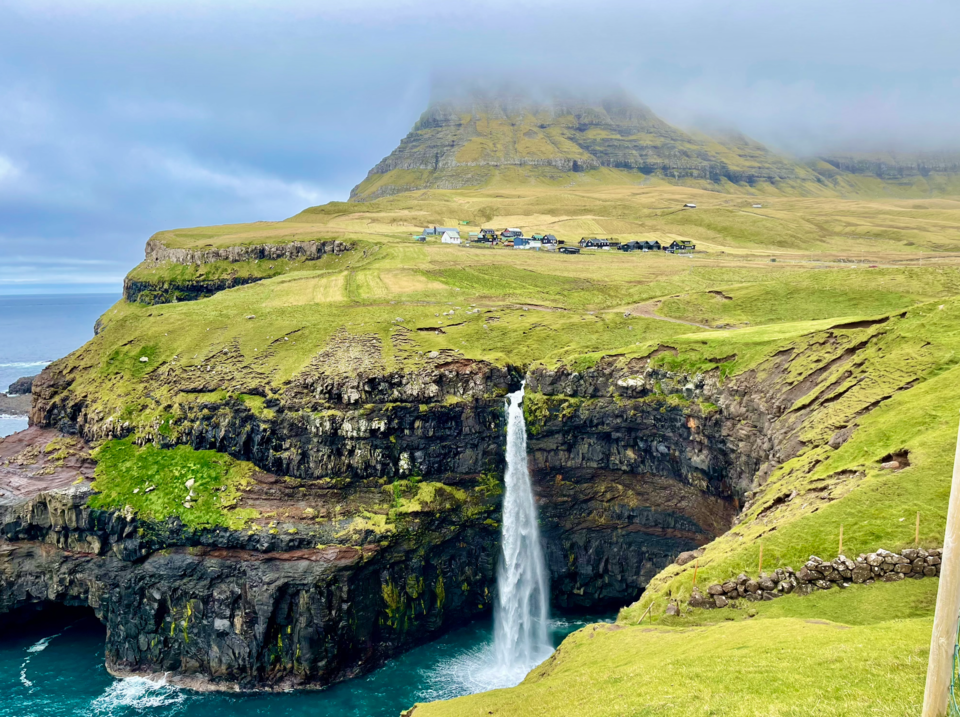
One of the first things that strikes visitors is the landscape. The Faroe Islands are raw and untamed, shaped by wind, water, and time. Sheer cliffs plunge into roaring seas, waterfalls spill directly into the ocean, and narrow fjords cut through green hills like brushstrokes on a painting. Places such as Møllafossur Waterfall, Lake Sørvágsvatn (the famous “floating lake”), and the bird cliffs of Vestmanna feel almost unreal, especially when wrapped in drifting fog.
Despite their remote location, the islands are surprisingly accessible. Tunnels—some running beneath the ocean—connect many of the islands, making road trips easy and scenic. Each drive feels like an adventure, with sheep wandering freely across hillsides and grass-roofed houses dotting tiny villages. These traditional turf-roof homes aren’t just picturesque; they reflect the Faroese commitment to blending human life with nature rather than overpowering it.
The capital city, Tórshavn, is one of the smallest capitals in the world, yet it has a warm, creative energy. Colorful wooden houses line the harbor, cafés serve hearty local food, and the historic Tinganes district—where grass-roofed government buildings still stand—offers a glimpse into the islands’ Viking-era roots. Tórshavn is also home to a growing culinary scene, with Faroese cuisine gaining global recognition for its focus on local, seasonal ingredients.
Food in the Faroe Islands is deeply tied to tradition and environment. Seafood plays a starring role, with fresh cod, salmon, and shellfish appearing on most menus. Lamb, raised on the islands’ open pastures, is another staple. Many dishes rely on age-old preservation techniques like air-drying and fermentation, reflecting how islanders historically adapted to harsh weather and limited resources. For adventurous travelers, tasting traditional Faroese food is a cultural experience in itself.
Nature lovers will find endless ways to explore. Hiking is one of the most popular activities, with trails leading to panoramic viewpoints, secluded valleys, and cliffside paths overlooking the ocean. Birdwatchers come to see puffins, gannets, and other seabirds that nest along the cliffs each summer. Boat tours reveal hidden caves and towering rock formations from the water, offering a different perspective on the islands’ dramatic geography.
What truly sets the Faroe Islands apart, however, is their approach to tourism. The islands are committed to sustainable travel, encouraging visitors to respect nature and local communities. Initiatives like temporarily closing popular sites for maintenance—while inviting travelers to help with conservation—show how seriously the Faroese take environmental responsibility. This mindset ensures that the islands remain pristine for future generations.
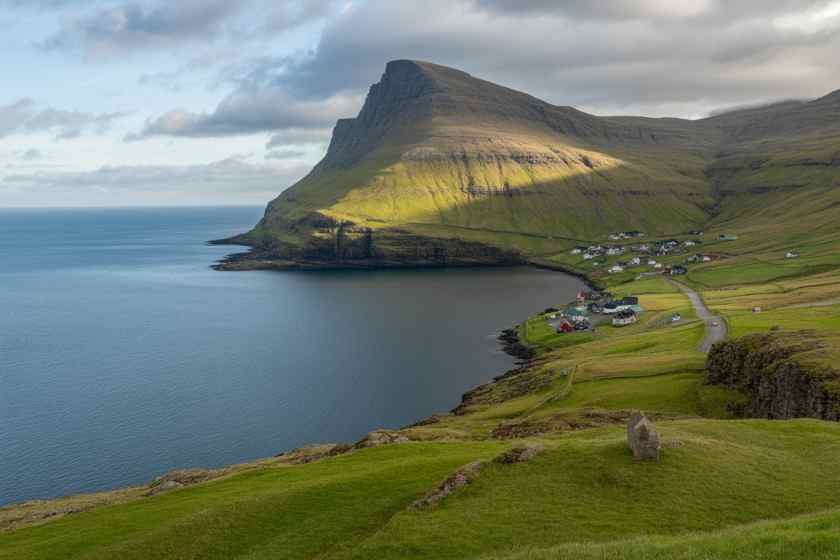
The best time to visit is between May and September, when days are long, weather is milder, and hiking routes are more accessible. That said, the Faroe Islands are beautiful year-round. Winter brings moody skies, fewer visitors, and a peaceful atmosphere that appeals to those seeking solitude and reflection.
Traveling to the Faroe Islands isn’t about ticking off landmarks—it’s about slowing down. It’s about standing on a cliff as clouds roll past, listening to waves crash far below, and feeling completely present in the moment. For travelers craving authenticity, dramatic scenery, and a deep connection to nature, the Faroe Islands are not just a destination—they’re an experience that stays with you long after you leave.